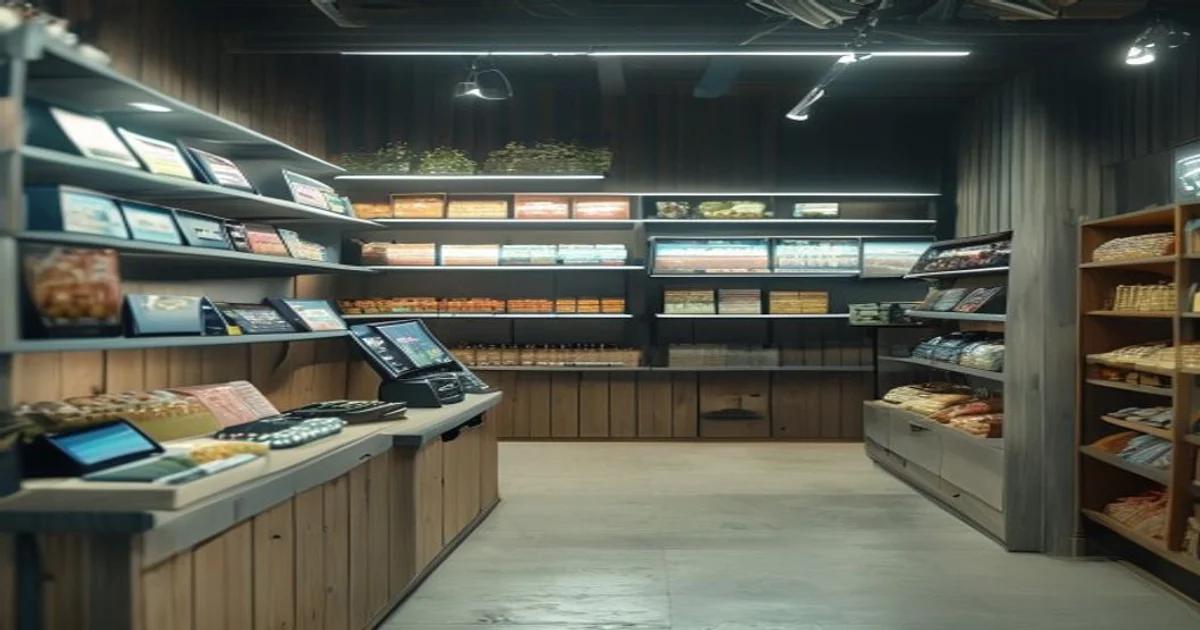
The Silent Revolution in Rural Commerce
For decades, rural retailers have operated on intuition, traditional inventory tracking, and local word-of-mouth. However, the paradigm is shifting rapidly as Artificial Intelligence (AI) permeates sectors previously considered out of reach for high-tech disruption. The integration of AI into rural retail is not merely about digitizing a ledger; it is about empowering local entrepreneurs to compete on a global scale while maintaining their hyper-local focus. By deploying predictive analytics and automated systems, these small-scale businesses are finally overcoming geographical disadvantages that historically hindered their growth.
Predictive Analytics: The New Local Expert
In urban centers, retailers have long enjoyed the benefits of big data. Rural retailers, however, are now accessing similar insights through lightweight, cloud-based tools. AI algorithms analyze local purchasing patterns to predict demand for specific seasonal goods, local produce, and essential supplies.
'AI transforms the guesswork of rural inventory into a precise science, allowing shopkeepers to stock exactly what their neighbors need before they even ask for it.'
Overcoming Connectivity Hurdles
One of the primary myths surrounding AI in rural regions is the necessity of constant, high-bandwidth connectivity. Modern edge computing solutions allow AI models to process data locally on mobile devices. This enables rural store owners to receive automated restock alerts even in areas with spotty cellular service. These tools effectively democratize access to sophisticated logistical planning.
Enhancing Customer Relationships
Personalization is the hallmark of rural retail, yet it has traditionally relied solely on the memory of the shop owner. AI systems now act as an 'extended memory,' helping retailers track customer preferences and provide tailored suggestions. This fosters deeper loyalty and ensures that the store remains the heart of the community.
- Loyalty Programs: AI-driven loyalty platforms identify high-value customers and suggest rewards based on actual purchase habits.
- Smart Communication: Automated notification systems keep local customers informed about new arrivals without feeling intrusive or generic.
- Visual Merchandising: AI-based design tools help retailers arrange their physical floor space for maximum utility and aesthetics.
Operational Efficiency and Sustainability
Rural retailers often operate on razor-thin margins. Automation in accounting, supply chain logistics, and energy consumption helps protect these margins. For instance, smart climate control systems monitor refrigeration units in rural grocery stores to prevent spoilage, using Machine Learning to adjust settings based on ambient temperature and historical door-opening patterns. This saves electricity and reduces food waste simultaneously.
The Human Element in Tech Adoption
Technology is often feared as a replacement for human interaction in tight-knit rural settings. However, in this context, AI serves as an equalizer. By offloading repetitive administrative tasks—such as updating price tags or cross-referencing supplier invoices—retailers regain the time to engage directly with their customers. The future of rural retail lies in a hybrid model where AI handles the data, and the human operator handles the community relationship.
Steps to Successful Implementation
- Assessment: Identify the most time-consuming manual processes.
- Platform Selection: Choose user-friendly software that does not require a background in software engineering.
- Data Collection: Begin tracking inventory and sales digital logs consistently.
- Scalability: Start with small, localized AI tools before integrating larger ecosystem management systems.
- Training: Invest time in learning the tool features to ensure maximum return on investment.
Challenges and Future Outlook
The road ahead is not without obstacles. Infrastructure gaps and a lack of technical training remain significant hurdles. Furthermore, concerns regarding data privacy must be addressed with transparency. Rural retailers need simple, encrypted platforms that prioritize local data sovereignty.
Looking toward the future, we expect to see an increase in 'smart hubs'—rural retail locations that serve not just as storefronts, but as community centers equipped with digital kiosks and delivery points. This vision is supported by the continuing evolution of generative tools, which will likely allow even non-technical shop owners to create marketing assets and manage their digital presence through natural language interactions.
As AI continues to mature, the divide between 'big box' urban retailers and independent rural shops will continue to shrink. The ultimate result will be a more robust, efficient, and resilient retail ecosystem that sustains rural economies for generations to come. The democratization of technology is the catalyst for this transformation, proving that size and location are no longer barriers to operational excellence in the modern digital age.