The Silent Revolution: AI's Impact on Pest Surveillance
The relentless battle against pests has been a defining feature of human civilization, a continuous struggle to protect our food sources, our health, and our infrastructure. From ancient agricultural practices to modern chemical interventions, humanity has sought increasingly effective methods to mitigate the destructive power of insects, rodents, and pathogens. Traditional pest surveillance methods, however, are often labor-intensive, time-consuming, and reactive, relying heavily on human observation and manual trapping. This often leads to delayed detection, widespread infestations, and the indiscriminate application of pesticides, carrying significant environmental and economic costs. The advent of Artificial Intelligence (AI) marks a pivotal moment in this enduring conflict, heralding a new era of precision, efficiency, and ecological responsibility in pest management. AI is not merely an incremental improvement; it represents a fundamental paradigm shift, transforming pest surveillance from a reactive, human-centric endeavor into a proactive, intelligent, and highly automated process. This transformative capability promises to reshape industries ranging from agriculture to public health, offering unprecedented control over pest populations and safeguarding global well-being. The implications are profound, extending beyond mere pest control to touch upon food security, biodiversity, and sustainable development goals.
The Imperative for Innovation in Pest Management
The challenges posed by pests are multifaceted and escalating. Climate change is altering pest distribution and life cycles, introducing new threats to previously unaffected regions. The global movement of goods facilitates the rapid spread of invasive species, complicating containment efforts. Furthermore, the increasing demand for food, coupled with a growing awareness of environmental sustainability, puts immense pressure on existing pest management strategies. Conventional approaches, while effective in some respects, are fraught with limitations. Manual scouting in large agricultural fields is impractical and often misses early signs of infestation. Visual identification of pests can be subjective and prone to error, especially for subtle indicators or small, fast-moving insects. Chemical pesticides, while powerful, contribute to environmental pollution, harm beneficial insects, and can lead to resistance in target pest populations, necessitating a constant arms race of new formulations. The economic toll is staggering, with billions of dollars lost annually to pest damage and control efforts. Public health concerns, particularly in regions where vector-borne diseases are prevalent, underscore the urgent need for more sophisticated and efficient surveillance mechanisms. It's against this backdrop that AI emerges not just as a technological novelty but as an indispensable tool for addressing some of humanity's most pressing ecological and economic challenges. Its capacity for rapid data processing, pattern recognition, and autonomous operation offers a beacon of hope for achieving sustainable and effective pest control on a global scale. The integration of AI into pest surveillance is no longer a futuristic concept but a present-day reality, demonstrating its capability to deliver tangible and measurable benefits across diverse applications.
The Dawn of Automated Detection
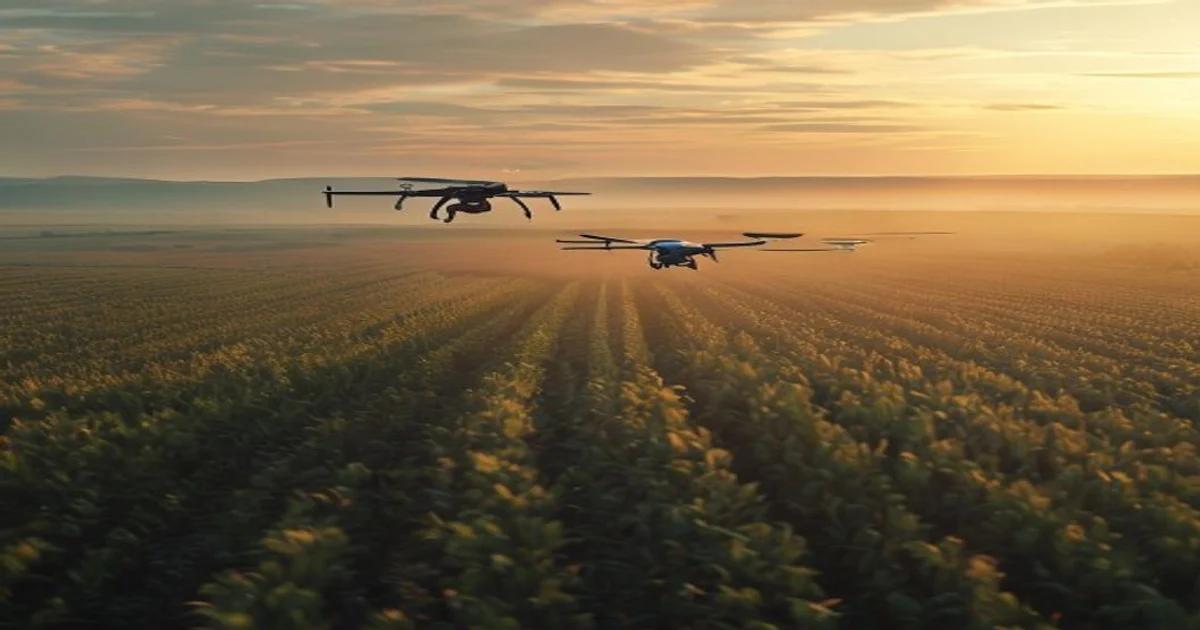
The core promise of AI in pest surveillance lies in its ability to automate the entire detection process, moving away from laborious manual checks to continuous, intelligent monitoring. This automation is powered by sophisticated algorithms and advanced sensor technologies that can 'see,' 'hear,' and 'learn' about pest activity in real time. Imagine vast agricultural lands where drones autonomously patrol, equipped with high-resolution cameras, meticulously scanning crops for any signs of disease or insect damage. Picture urban environments where static sensors, nestled discreetly, monitor rodent activity or mosquito populations, relaying data to a central AI system. These systems don't just collect data; they analyze it, identify anomalies, classify pests, and even predict potential outbreaks based on environmental factors and historical patterns. This proactive capability transforms pest management from a reactive scramble into a strategic, data-driven discipline. The era of waiting for visible damage or widespread infestations before acting is rapidly drawing to a close. Instead, AI-driven surveillance enables precise, localized interventions at the earliest possible stage, minimizing damage, reducing the need for broad-spectrum treatments, and optimizing resource allocation. It's a fundamental shift that empowers farmers, public health officials, and land managers with unprecedented foresight and control, allowing them to intervene with surgical precision rather than blanket approaches. The transition to automated detection represents a significant leap forward in our quest for a more sustainable and resilient future.
How AI Transforms Pest Detection
The magic behind AI's transformative power in pest surveillance lies in its advanced computational techniques, primarily machine learning, deep learning, and computer vision. These interconnected fields provide AI systems with the capability to perceive, interpret, and act upon complex environmental data, mimicking and often surpassing human observational abilities.
Computer Vision: The Eyes of AI
At the heart of most AI-driven pest surveillance systems is computer vision. This branch of AI enables machines to 'see' and interpret visual information from the world, much like humans do. For pest detection, this means processing images and video feeds from cameras mounted on drones, ground robots, or stationary traps. High-resolution cameras capture detailed visuals of crops, soil, water bodies, or urban infrastructure. The computer vision algorithms then analyze these images, looking for specific patterns, shapes, colors, and textures that indicate the presence of pests.
'The precision of computer vision allows for the identification of pests even at their earliest life stages, when they are most vulnerable to intervention,' notes Dr. Anya Sharma, a leading researcher in agricultural AI. 'It can differentiate between beneficial insects and harmful ones, preventing non-target damage.'
Key aspects of computer vision in this context include:
- Object Detection: Algorithms are trained on vast datasets of images containing various pests to accurately locate and bound them within a frame. For instance, a system can identify individual aphids on a leaf or the tell-tale signs of a fungal infection.
- Image Classification: Once an object is detected, the system classifies it, identifying the specific species of pest or the type of plant disease. This requires extensive training with annotated images, where human experts have meticulously labeled thousands of examples.
- Segmentation: More advanced techniques can segment images to precisely delineate pest-affected areas, allowing for highly targeted treatments. This could mean outlining a patch of diseased leaves or an area of soil impacted by nematodes.
- Change Detection: By comparing images captured over time, AI can detect subtle changes that indicate pest activity, such as new damage, increased pest density, or the emergence of specific growth stages.
These capabilities allow for a level of detail and consistency that is unattainable through manual inspection, particularly across large areas or in difficult-to-access locations. The output is not just a 'yes' or 'no' but a precise geographic location, species identification, and often, an estimation of infestation severity.
Machine Learning and Deep Learning: The Brains Behind the Operation
While computer vision provides the 'eyes,' machine learning (ML) and its subset, deep learning (DL), provide the 'brain' for AI pest surveillance. These algorithms learn from data, identifying complex patterns and making predictions without being explicitly programmed for every scenario.
- Machine Learning (ML): Traditional ML algorithms are used to build predictive models. For example, by analyzing historical data on pest outbreaks, weather patterns, soil conditions, and crop types, ML models can predict the likelihood of future infestations. These models learn relationships between various input features and the target outcome (pest presence or absence, severity, etc.). Support Vector Machines (SVMs), Random Forests, and Gradient Boosting are common ML techniques employed. They can also be used to classify sensor data from traps or acoustic monitors, identifying specific pest sounds or chemical signatures.
- Deep Learning (DL): Deep learning, particularly Convolutional Neural Networks (CNNs), is a powerful tool for image and video analysis, which is crucial for computer vision tasks. CNNs excel at learning hierarchical features directly from raw data, automatically extracting relevant patterns that differentiate one pest from another or distinguish healthy plants from diseased ones. They can process millions of images, continually refining their ability to detect even subtle indicators of pest presence or damage.
'The scalability of deep learning models means they can be trained on increasingly vast and diverse datasets, making them incredibly robust and adaptable to new pest varieties or environmental conditions,' explains Dr. Chen Li, an expert in neural network applications. 'This continuous learning capability is what makes AI truly intelligent.'
Beyond visual identification, ML and DL algorithms can analyze other data streams:
- Acoustic Signatures: Identifying specific sounds made by insects (e.g., mosquito wingbeats, beetle chewing).
- Environmental Sensors: Correlating temperature, humidity, wind speed, and soil moisture with pest proliferation patterns.
- Pheromone Trap Data: Analyzing counts from automated traps to track pest population dynamics and migration.
By integrating these diverse data sources, AI systems build a comprehensive understanding of pest ecosystems, moving beyond simple detection to holistic ecological management.
Predictive Analytics: Foreseeing Infestations
One of the most valuable contributions of AI to pest surveillance is its capacity for predictive analytics. Instead of merely reacting to existing problems, AI systems can forecast potential outbreaks, allowing for proactive intervention. This is achieved by combining real-time surveillance data with historical records, environmental factors, climate models, and even satellite imagery.
- Pattern Recognition: AI algorithms identify complex patterns in data that might escape human observation, such as the correlation between specific temperature fluctuations, rainfall events, and the subsequent emergence of certain insect species.
- Risk Mapping: Based on these predictions, AI can generate detailed risk maps, highlighting areas most susceptible to infestation. This allows resources to be concentrated precisely where they are needed most, optimizing prevention and control efforts.
- Early Warning Systems: By continuously monitoring relevant variables, AI can issue early warnings for impending pest threats, giving stakeholders valuable time to prepare and implement preventative measures. For example, predicting a surge in mosquito populations based on rainfall patterns and temperature forecasts can trigger early larvicide application or public health campaigns.
The shift from reactive to proactive pest management is a cornerstone of sustainable agriculture and public health. It enables targeted, preventative actions that are both more effective and less environmentally impactful than widespread treatments applied after an infestation has taken hold. This foresight is a game-changer, fundamentally altering the strategy of pest control globally.
Technologies Powering AI Pest Surveillance
The sophisticated AI algorithms for pest detection and prediction are brought to life through a diverse array of hardware technologies, each designed to capture data effectively and operate autonomously in various environments. These technologies form a comprehensive surveillance network, delivering unprecedented insights into pest activity.
Autonomous Drones: Aerial Sentinels
Unmanned Aerial Vehicles (UAVs), commonly known as drones, are revolutionizing large-scale pest surveillance, particularly in agriculture. Equipped with advanced sensors and AI capabilities, these aerial platforms can cover vast areas quickly and efficiently, performing tasks that would be impossible or prohibitively expensive for human scouts.
- High-Resolution Imaging: Drones carry multispectral, hyperspectral, and thermal cameras that capture detailed images of crops. Multispectral cameras can detect subtle changes in plant health that are invisible to the human eye, indicating early stress or disease, often before visible symptoms appear.
- Automated Flight Paths: AI-powered navigation systems allow drones to follow pre-programmed flight paths, autonomously survey fields, and avoid obstacles. They can conduct repeat surveys, providing consistent data for trend analysis.
- Real-time Data Processing: Some advanced drones are equipped with edge AI processors, allowing them to perform initial image analysis onboard. This reduces the need for constant data transmission and enables immediate alerts for critical findings.
- Targeted Spraying Capabilities: Beyond surveillance, some agricultural drones are integrated with precision spraying systems. Once an AI system identifies a specific area with an infestation, the drone can apply pesticides or biological controls precisely to that spot, minimizing waste and environmental impact.
'Drones offer an unparalleled vantage point for macro-level surveillance, quickly identifying hotspots that require closer inspection, making pest management truly scalable,' states Dr. Elena Petrova, an agricultural robotics specialist. Their ability to access difficult terrains and provide high-frequency data makes them invaluable.
Ground-Based Robotics and Sensors: On-the-Ground Intelligence
While drones patrol the skies, ground-based robotics and an array of static sensors provide granular, on-the-ground intelligence, complementing aerial surveillance.
- Robotic Ground Vehicles (RGVs): Small, autonomous robots can navigate through fields, greenhouses, or even urban sewers, collecting data at ground level. They can carry cameras for close-up inspection of plants, acoustic sensors to detect soil-dwelling pests, or even take soil samples. RGVs are particularly useful for detailed inspections in dense vegetation where drones might struggle with visibility.
- Smart Traps: Traditional pest traps (e.g., pheromone traps for insects, snap traps for rodents) are being augmented with AI. Cameras and sensors within these 'smart traps' can automatically count and identify captured pests, sending real-time data to a central system. This eliminates the need for manual checks, making monitoring more efficient and continuous. For instance, a camera inside an insect trap can photograph every captured insect, and AI can classify it, providing accurate population counts and species identification without human intervention.
- Environmental Sensor Networks: Networks of small, inexpensive sensors are deployed to monitor environmental parameters critical for pest development. These include temperature, humidity, soil moisture, light intensity, and CO2 levels. AI algorithms correlate this environmental data with pest activity, enhancing predictive capabilities.
These ground-based systems provide the fine-grained data necessary for precise diagnosis and localized intervention, often integrating with IoT platforms for seamless data flow.
IoT Integration: A Network of Surveillance
The Internet of Things (IoT) is a crucial enabler for comprehensive AI pest surveillance. IoT refers to the network of physical objects embedded with sensors, software, and other technologies for the purpose of connecting and exchanging data with other devices and systems over the internet.
- Seamless Data Collection: All the aforementioned technologies—drones, ground robots, smart traps, and environmental sensors—are essentially IoT devices. They are designed to collect vast amounts of data and transmit it wirelessly to a central cloud platform.
- Centralized Analytics: Once data streams from multiple sources converge in the cloud, powerful AI algorithms analyze this aggregated information. This holistic view allows for a more accurate and comprehensive understanding of pest dynamics across entire regions or properties.
- Automated Actions: The true power of IoT-AI integration lies in its ability to trigger automated responses. If AI detects an infestation hotspot via drone imagery and confirms it with ground sensor data, the system can automatically dispatch a targeted spraying drone or alert a human technician with precise coordinates for intervention.
- Real-time Monitoring and Alerts: Stakeholders receive real-time alerts and detailed reports on their dashboards, enabling immediate decision-making and rapid response to emerging threats. This ensures that interventions are timely and effective, preventing minor issues from escalating into major problems.
The interconnectedness provided by IoT ensures that all parts of the surveillance system communicate effectively, creating an intelligent, responsive, and highly efficient pest management ecosystem. It's the infrastructure that makes smart, autonomous pest surveillance a reality.
Unprecedented Benefits: A Paradigm Shift
The integration of AI into pest surveillance is not merely an evolutionary step but a revolutionary leap, offering a cascade of benefits that are transforming how we protect our crops, our health, and our environment. These advantages collectively represent a paradigm shift from traditional, reactive methods to proactive, intelligent, and sustainable strategies.
Enhanced Accuracy and Early Detection
One of the most significant advantages of AI in pest surveillance is its unparalleled accuracy and ability to detect infestations at their earliest, often invisible, stages.
- Subtle Anomaly Detection: AI algorithms, especially deep learning models, are capable of identifying minute visual cues, thermal signatures, or acoustic patterns that signify the presence of pests or early signs of plant disease. Humans might overlook these subtle indicators during manual inspections, especially across vast areas or in challenging conditions. For instance, multispectral cameras on drones, analyzed by AI, can detect changes in chlorophyll levels or water content in plants long before any visible yellowing or wilting occurs.
- Reduced False Positives/Negatives: By learning from massive datasets, AI systems can differentiate between harmless insects and genuine threats, or between environmental stress and pest-induced damage, minimizing both false alarms and missed infestations. This precision leads to more reliable surveillance data and more confident decision-making.
- Continuous Monitoring: Unlike periodic human inspections, AI-powered systems can provide continuous, 24/7 monitoring. This constant vigilance ensures that any new pest activity is identified almost immediately, allowing for rapid response and preventing outbreaks from gaining a foothold.
'The ability of AI to 'see' what's invisible to the human eye and do so relentlessly across large landscapes is truly groundbreaking for early detection strategies,' asserts Dr. Kevin Lee, an AI agriculture ethicist. This early warning capability is critical for effective management.
Significant Cost Reductions and Efficiency Gains
The automation brought by AI translates directly into substantial economic benefits and operational efficiencies across various sectors.
- Reduced Labor Costs: Manual pest scouting in agriculture, or regular inspections in urban environments, is labor-intensive and expensive. AI systems, through drones, robots, and smart traps, can perform these tasks autonomously, freeing human workers for more complex or strategic roles.
- Optimized Resource Allocation: By precisely identifying infestation hotspots, AI ensures that resources—whether pesticides, biological controls, or human intervention—are directed exactly where they are needed. This 'precision agriculture' approach minimizes waste, reduces the volume of chemicals used, and lowers operational expenditures.
- Increased Productivity and Yields: Early and accurate detection, coupled with timely, targeted intervention, significantly reduces crop losses due to pests. This leads to higher agricultural yields and improved food security. In public health, preventing vector-borne diseases translates to healthier populations and reduced healthcare burdens.
- Faster Response Times: The real-time nature of AI surveillance means that critical information is available instantly, enabling rapid decision-making and deployment of control measures. This speed can be crucial in containing rapidly spreading pests or diseases.
The economic case for AI in pest surveillance is compelling, demonstrating clear returns on investment through savings, increased output, and risk mitigation.
Environmental Stewardship: Reducing Chemical Dependency
Perhaps one of the most profound benefits of AI-driven pest surveillance is its contribution to environmental sustainability.
- Minimal Pesticide Use: Traditional broad-spectrum pesticide application is often a 'better safe than sorry' approach, leading to over-spraying. AI enables highly targeted treatments, applying chemicals only to the precise areas where pests are identified, and only when necessary. This drastically reduces the overall volume of pesticides released into the environment.
- Protection of Non-Target Organisms: By limiting pesticide use to specific problem areas, AI helps protect beneficial insects (e.g., pollinators, natural predators), wildlife, and soil microorganisms, fostering healthier ecosystems. It ensures that interventions are surgical rather than indiscriminate.
- Reduced Chemical Runoff and Soil Contamination: Lower pesticide volumes directly correlate with reduced chemical runoff into waterways and decreased accumulation of residues in soil, preserving water quality and soil health.
- Support for Organic and Integrated Pest Management (IPM): AI is a natural fit for IPM strategies, which prioritize prevention and non-chemical methods. By providing precise data, AI helps determine when biological controls or cultural practices are sufficient, reserving chemical intervention as a last resort. This aligns perfectly with sustainable farming practices.
'AI is not just about control; it's about ecological balance. It allows us to manage pests with a much lighter footprint, preserving biodiversity and ensuring agricultural longevity,' emphasizes Professor David Greene, an environmental scientist. It fundamentally shifts pest control towards a more ecologically sound model.
Data-Driven Decision Making
AI pest surveillance generates a wealth of data that empowers stakeholders with unprecedented insights, leading to more informed and strategic decision-making.
- Comprehensive Data Collection: From visual imagery to environmental sensor readings, AI systems collect diverse and extensive datasets about pest populations, their interactions with crops, and environmental influences.
- Pattern Identification and Trend Analysis: AI algorithms excel at identifying complex patterns and trends within this data, revealing insights that would be impossible for humans to discern. This includes understanding seasonal variations in pest activity, predicting resistance development, or optimizing timing for specific interventions.
- Optimized Strategies: Based on these insights, farmers, agronomists, and public health officials can develop highly optimized and adaptive pest management strategies. This moves beyond 'one-size-fits-all' solutions to dynamic, localized, and intelligent approaches.
- Benchmarking and Improvement: The continuous data collection allows for constant evaluation of management strategies, enabling continuous improvement and refinement of tactics over time. Performance metrics can be tracked, and AI models can be updated with new data to enhance their accuracy and effectiveness.
This data-driven approach fosters a culture of continuous learning and adaptation, ensuring that pest management strategies are always at the forefront of effectiveness and sustainability.
Navigating the Challenges of AI Implementation
Despite its profound benefits, the widespread adoption of AI in pest surveillance is not without its hurdles. These challenges span technological, economic, and ethical dimensions, requiring careful consideration and strategic solutions for successful integration.
Data Acquisition and Annotation Hurdles
The efficacy of any AI system, particularly those relying on machine learning and deep learning, is directly proportional to the quality and quantity of the data it's trained on.
- Vast Data Requirements: To accurately identify a wide range of pests in diverse environmental conditions (different lighting, plant backgrounds, life stages), AI models require enormous datasets of high-resolution images, videos, and sensor readings.
- Laborious Annotation: Raw data alone isn't enough; it must be meticulously annotated. Human experts need to precisely label every pest, every instance of damage, and every relevant environmental factor within the collected data. This process is incredibly time-consuming, expensive, and requires specialized knowledge. Mislabeling or insufficient annotation can lead to biased or inaccurate AI models.
- Data Diversity and Edge Cases: Pests exhibit significant morphological variations, and environmental conditions fluctuate widely. Capturing sufficient diversity to train robust models that perform well in 'real-world' edge cases (e.g., rare pests, unusual lighting, cluttered backgrounds) is a major challenge.
- Proprietary Data Concerns: Data collected by individual farms or regions can be highly valuable but often remains siloed, hindering the creation of larger, more comprehensive public datasets that could benefit the entire industry.
Addressing these data challenges often involves a combination of crowdsourcing, synthetic data generation, and advanced active learning techniques to efficiently build and expand robust training datasets.
Computational Demands and Infrastructure
Running sophisticated AI models, especially deep neural networks, requires significant computational power and robust infrastructure.
- High Processing Power: Training complex deep learning models for image recognition or predictive analytics demands powerful GPUs and cloud-based computing resources. This can be costly and requires specialized technical expertise to manage.
- Edge Computing Requirements: For real-time, autonomous operations (e.g., on drones or ground robots), AI models need to run efficiently on devices with limited computational resources, necessitating optimization for 'edge computing.' This involves developing smaller, more efficient models that can still deliver high accuracy.
- Connectivity and Bandwidth: The continuous streaming of high-resolution visual data from numerous sensors and drones requires reliable internet connectivity and substantial bandwidth, which may not be readily available in remote agricultural areas.
- Data Storage: The sheer volume of data generated by AI surveillance systems necessitates vast and secure data storage solutions, adding to infrastructure costs.
Investment in scalable cloud infrastructure and the development of efficient edge AI hardware are crucial for overcoming these computational and infrastructural hurdles.
Cost of Initial Investment
The upfront cost of implementing an AI pest surveillance system can be a significant barrier for many potential users, particularly small and medium-sized enterprises.
- Hardware Acquisition: Drones, ground robots, advanced sensors, and specialized cameras represent a considerable initial investment.
- Software Development and Licensing: Developing custom AI models or licensing proprietary AI software platforms can be expensive.
- Infrastructure Setup: Setting up necessary IT infrastructure, including servers, data storage, and high-speed internet, adds to the initial capital outlay.
- Training and Integration: Personnel need to be trained to operate and maintain these systems, and the new AI solutions must be seamlessly integrated with existing farm management or public health systems.
While the long-term return on investment is often substantial due to increased efficiency and reduced losses, the initial financial commitment can deter adoption, particularly for those with limited budgets. Government subsidies, co-operative models, and 'AI-as-a-Service' offerings can help mitigate this barrier.
Ethical Considerations and Data Privacy
The deployment of powerful surveillance technologies raises important ethical questions and concerns about data privacy.
- Data Ownership and Access: Who owns the vast amounts of data collected by AI systems on private land or public spaces? How will this data be used, and who will have access to it? Ensuring transparency and clear data governance policies is essential.
- Bias in Algorithms: If AI models are trained on biased datasets (e.g., disproportionately representing certain regions, crops, or pest types), they may perform poorly or inaccurately in other contexts, leading to inequities in pest management outcomes.
- Privacy of Individuals: In urban settings, surveillance cameras deployed for pest detection might inadvertently capture images of people, raising privacy concerns. Robust anonymization techniques and clear guidelines on data retention and usage are necessary.
- Ecological Impact of Automation: While aiming for reduced chemical use, the introduction of autonomous drones and robots needs careful assessment to ensure they do not inadvertently disrupt wildlife or local ecosystems.
- Transparency and Explainability: Understanding *why* an AI system made a particular detection or prediction can be challenging (the 'black box' problem). For critical decisions, stakeholders need assurance that the AI's recommendations are trustworthy and explainable.
Addressing these ethical concerns requires proactive policy development, robust regulatory frameworks, and a commitment to responsible AI design and deployment, ensuring that these technologies serve the public good.
Integration with Existing Systems
Many agricultural operations and public health agencies already have established systems for data management, record-keeping, and operational workflows. Integrating new AI pest surveillance solutions into these existing frameworks can be complex.
- Interoperability: Ensuring that AI systems can seamlessly exchange data with existing farm management software, weather stations, or public health databases often requires custom API development and robust data standards.
- Workflow Adjustments: The introduction of autonomous surveillance necessitates changes to traditional operational workflows, requiring training and adaptation from personnel. Resistance to change can be a significant non-technical barrier.
- System Compatibility: Legacy systems may not be compatible with the technological demands of modern AI platforms, requiring costly upgrades or complete overhauls.
Successful integration requires careful planning, modular system design, and a strong emphasis on user training and change management to ensure smooth adoption and maximize the benefits of AI.
Real-World Applications Across Sectors
The versatile capabilities of AI-driven pest surveillance are finding critical applications across a diverse range of sectors, each benefiting from enhanced precision, efficiency, and sustainability.
Agriculture: Protecting the Global Food Supply
Agriculture stands as one of the primary beneficiaries of AI pest surveillance, given the immense economic and food security implications of crop damage.
- Precision Agriculture: AI enables 'precision pest management,' moving away from broadcast spraying to highly localized treatment. Drones and ground robots identify specific plants or areas affected by pests or diseases, allowing for surgical application of pesticides, herbicides, or biological controls. This conserves resources, reduces chemical runoff, and protects non-target organisms.
- Crop Health Monitoring: Multispectral and hyperspectral cameras on drones, combined with AI analysis, can detect early signs of nutrient deficiencies, water stress, and disease outbreaks long before they are visible to the human eye. This allows farmers to intervene proactively, saving entire harvests.
- Yield Prediction and Optimization: By accurately monitoring crop health and pest pressure, AI contributes to more accurate yield predictions, helping farmers make informed decisions about harvesting, storage, and market timing.
- Livestock Health Monitoring: AI can also monitor livestock for signs of external parasites (e.g., ticks, flies) or diseases spread by vectors, enabling early intervention and improved animal welfare. For example, image recognition systems can identify individual animals and detect subtle behavioral changes or physical symptoms indicative of illness.
'AI is providing farmers with an unprecedented level of control and insight, making sustainable agriculture not just a goal, but an achievable reality,' says Dr. Anil Patel, an agritech innovator. The economic savings from reduced crop loss and optimized input use are substantial.
Public Health: Preventing Disease Outbreaks
AI pest surveillance is a powerful tool in public health, particularly in managing vector-borne diseases and controlling urban pest populations that pose health risks.
- Mosquito Surveillance and Control: AI systems analyze satellite imagery, weather data, and sensor readings to identify potential mosquito breeding grounds (e.g., standing water, flood-prone areas). Drones can then be deployed to inspect these areas, and targeted larvicide applications can be performed autonomously. Smart traps can automatically count and identify mosquito species, providing real-time data on population densities and species distribution, which is crucial for predicting outbreaks of diseases like dengue, malaria, or Zika.
- Rodent Control in Urban Areas: AI-powered smart traps and camera systems can monitor rodent activity in sewers, waste management facilities, and commercial buildings. These systems provide data on rodent pathways, population sizes, and species, enabling highly effective and localized baiting or trapping strategies, reducing the need for widespread toxicant use.
- Early Disease Warning Systems: By combining pest surveillance data with epidemiological information and environmental factors, AI can build predictive models for disease outbreaks, allowing public health authorities to implement preventative measures and allocate resources more effectively. For example, a surge in a specific mosquito species, combined with rising temperatures, could trigger a public health alert.
- Pest Identification and Tracking: In clinics or laboratories, AI can assist in the rapid identification of disease vectors captured during surveillance, speeding up diagnostic processes and informing public health responses.
The capacity of AI to proactively manage vectors significantly reduces the incidence of vector-borne diseases, protecting human health and reducing healthcare burdens globally.
Urban and Industrial Pest Control
Beyond agriculture and public health, AI is enhancing pest management in a variety of urban, commercial, and industrial settings.
- Building Inspections: Drones equipped with AI can inspect large commercial buildings, warehouses, or residential complexes for signs of pest entry points (e.g., gaps in roofing, structural damage), bird nesting sites, or rodent activity in inaccessible areas.
- Food Processing and Storage Facilities: In environments where hygiene is paramount, AI-powered camera systems and sensors can provide continuous monitoring for insects and rodents, ensuring compliance with health regulations and preventing contamination.
- Infrastructure Protection: AI can monitor critical infrastructure, such as power lines or telecommunication towers, for damage caused by pests (e.g., birds nesting, rodents chewing cables), facilitating timely repairs and preventing costly disruptions.
- Resource Management: In areas like golf courses or public parks, AI-driven pest surveillance helps manage turf pests and invasive species with precision, maintaining aesthetics and ecological balance with minimal chemical input.
The adaptability of AI solutions means they can be tailored to the unique challenges of different urban and industrial environments, offering highly effective and sustainable pest control.
The Future Landscape: Seamless Integration and Advanced Capabilities
The current applications of AI in pest surveillance represent just the beginning. The future promises even more sophisticated, integrated, and autonomous systems, fundamentally reshaping our relationship with the natural world and how we manage biological threats.
Hyper-Personalized Pest Management
Future AI systems will move beyond generalized predictions to offer hyper-personalized pest management strategies, tailored to the unique micro-conditions of every field, every building, or even every plant.
- Individual Plant/Location Focus: AI will leverage ultra-high-resolution data from static micro-sensors and localized drone inspections to monitor the health and pest status of individual plants or specific zones within a larger area. This allows for 'plant-level precision,' where interventions are applied only to the exact affected entity.
- Dynamic Treatment Protocols: Based on real-time data and predictive models, AI will dynamically adjust treatment protocols, recommending specific biological agents, optimal pesticide formulations, or precise timing for mechanical removal, considering local weather, soil conditions, and pest resistance levels.
- Integration with Genetic Data: Future systems might integrate genetic sequencing data of pests to identify resistant strains or predict evolutionary trajectories, allowing for the development of highly targeted and future-proof interventions.
This level of personalization will maximize efficacy while minimizing environmental impact, leading to truly sustainable and efficient pest control.
Swarm Intelligence and Collaborative AI
The next generation of autonomous surveillance will likely involve the coordinated operation of multiple AI agents, forming 'swarm intelligence' systems.
- Cooperative Drones and Robots: Fleets of drones and ground robots will work collaboratively, sharing data and coordinating their movements to cover vast areas more rapidly and comprehensively. One drone might identify a broad area of concern, while a swarm of smaller ground robots moves in for detailed inspection and targeted intervention.
- Distributed Sensing: Networks of AI-enabled sensors will operate as a collective intelligence, autonomously communicating and adapting their monitoring strategies based on observed pest activity, optimizing data collection across an entire ecosystem.
- Collective Learning: Data collected by individual AI agents will contribute to a central, continually learning model, enhancing the collective intelligence and predictive capabilities of the entire swarm. This distributed learning accelerates the improvement of AI models.
Swarm intelligence will enable unprecedented scalability, resilience, and adaptability in pest surveillance, making it possible to monitor and manage threats across incredibly vast and complex landscapes.
Edge AI for Real-time Processing
As AI capabilities become more refined, the trend towards 'edge AI' will accelerate, moving computational power closer to the data source.
- On-Device Processing: Instead of sending all raw data to the cloud for analysis, future sensors, drones, and robots will perform most of their AI processing directly on the device ('at the edge'). This significantly reduces latency, conserves bandwidth, and enhances data privacy.
- Instantaneous Action: Edge AI enables real-time decision-making and immediate autonomous actions, such as a drone detecting a pest and instantly triggering a micro-spray, without waiting for cloud communication.
- Offline Capability: Systems with edge AI can operate effectively even in areas with limited or no internet connectivity, expanding the reach of advanced pest surveillance to remote locations.
This shift will make AI pest surveillance more robust, responsive, and accessible, driving further adoption in diverse and challenging environments.
Policy, Regulation, and Standardization
As AI pest surveillance matures, there will be an increasing need for robust policy frameworks, regulations, and industry standards to ensure its responsible and equitable deployment.
- Data Governance: Clear policies on data ownership, privacy, security, and sharing will be essential, particularly as sensitive agricultural or public health data is collected.
- Ethical AI Guidelines: Regulations will need to address the ethical implications of autonomous decision-making, potential biases in algorithms, and the impact on labor markets.
- Interoperability Standards: Establishing common standards for data formats, communication protocols, and AI model interfaces will foster greater interoperability and enable easier integration of diverse systems.
- Certification and Validation: Processes for certifying the accuracy and reliability of AI pest detection systems will become important for building trust and ensuring effective outcomes.
Proactive engagement from governments, industry bodies, and academic institutions will be vital in shaping a future where AI pest surveillance is not only technologically advanced but also ethically sound and socially beneficial.
Conclusion: A New Era of Proactive Pest Management
The integration of Artificial Intelligence into pest surveillance marks a transformative inflection point in our ongoing efforts to manage destructive organisms. From autonomous drones meticulously scanning vast fields to intelligent sensors monitoring urban environments, AI is ushering in an era of unprecedented precision, efficiency, and environmental responsibility. It empowers us to shift from reactive damage control to proactive, data-driven prevention, safeguarding our food supply, protecting public health, and preserving ecological balance.
The journey ahead involves addressing significant challenges related to data acquisition, computational demands, initial investment costs, and critical ethical considerations. However, the compelling benefits—reduced chemical dependency, enhanced crop yields, disease prevention, and optimized resource allocation—underscore the indispensable role AI will play in shaping a more sustainable future. As AI technologies continue to evolve, promising hyper-personalized management, swarm intelligence, and robust edge computing, we stand on the cusp of a new era where intelligent, autonomous systems will ensure that our battle against pests is fought not just effectively, but also intelligently and harmoniously with nature. This revolution in pest surveillance is not merely a technological advancement; it's a testament to humanity's ingenuity in building a more resilient and sustainable world.