
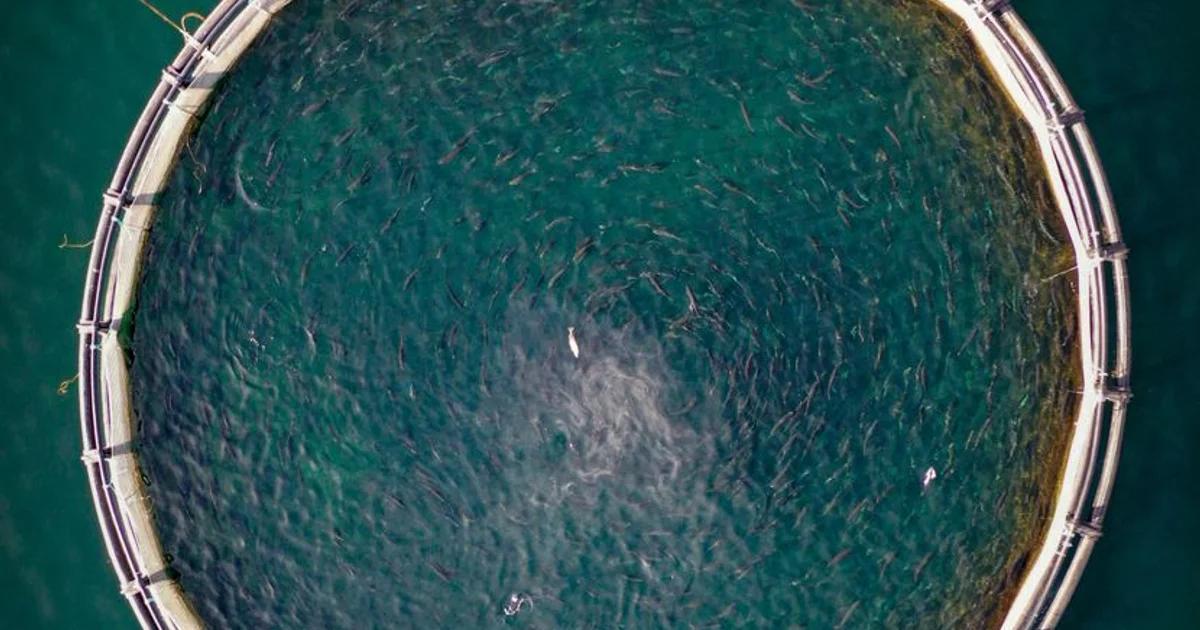
The Dawn of Smart Aquaculture
The global demand for seafood is projected to surge as the world population reaches ten billion by 2050. Conventional aquaculture methods, while effective to a point, often suffer from human error, resource wastage, and environmental stressors that limit production efficiency. The integration of Artificial Intelligence (AI) and Machine Learning into the aquaculture sector represents a paradigm shift from reactive management to proactive, adaptive yield optimization.
Transforming Data into Decisions
At the heart of AI-driven aquaculture are sophisticated sensors that capture terabytes of data points daily. These sensors track everything from dissolved oxygen levels and nitrogen cycles to biomass distribution and movement patterns of the stock. By leveraging Deep Learning models, farm managers can now synthesize this complex data to gain granular insights that were previously impossible to track manually.
'The fusion of biological monitoring and high-speed data analytics allows for a precision-agriculture approach that treats every fish as part of a high-performance ecosystem.'
The Mechanics of Adaptive Feeding
One of the most significant cost drivers in aquaculture is feed, which accounts for up to 60% of total operational expenses. Traditional feeding schedules often result in substantial uneaten pellets, which degrade water quality and contribute to economic loss. AI-powered adaptive feeding systems utilize computer vision to monitor the feeding intensity of the stock in real-time. If the system detects that the fish have stopped consuming feed, it automatically halts the distribution. This not only slashes expenses but also preserves the delicate chemical balance of the aquatic environment.
Predictive Health Monitoring
Disease remains the most significant threat to aquaculture productivity. An outbreak can devastate an entire stock in a matter of hours. Through the use of Neural Networks, AI platforms can identify anomalous behaviors or subtle variations in pigmentation or movement that serve as early warning signs for illness. By flagging these markers early, farmers can isolate infected areas and initiate targeted treatments before a localized issue escalates into a catastrophic epidemic.
Environmental Sustainability and Automation
Sustainability is not merely an ethical concern but a regulatory requirement for modern aquaculture. AI tools help maintain optimal water conditions by controlling aerators and circulation pumps based on real-time demand. This level of Automation ensures that energy consumption is minimized while safety thresholds for the fish are strictly maintained. By automating these processes, companies can achieve higher yields without expanding their physical footprint, thus reducing the industry's overall environmental impact.
Overcoming Implementation Barriers
The transition to AI-integrated systems is not without challenges. High infrastructure costs, the need for specialized technical expertise, and concerns regarding data security are significant hurdles for small-to-medium enterprises. However, the maturation of cloud-based AI service models is making these tools more accessible. Platforms that offer modular upgrades allow farmers to integrate AI features incrementally, ensuring that the cost-benefit ratio remains positive throughout the transition phase.
The Future Landscape
As AI chips become more efficient and communication networks like 5G provide more reliable connectivity, the potential for edge computing in aquaculture will grow. Imagine autonomous underwater drones patrolling pens, cleaning nets, and gathering data with zero human intervention. This vision is rapidly becoming a reality. The convergence of robotics, machine learning, and environmental science promises a future where protein production is both highly efficient and environmentally restorative.
Final Thoughts
Adopting AI in aquaculture is no longer a luxury for industry giants; it is an essential strategy for survival in an increasingly competitive and climate-sensitive market. By embracing data-driven decision-making, aquaculture professionals can ensure stable food supplies for the future while minimizing waste and maximizing profitability. The journey toward a smarter, more resilient industry is well underway, supported by the relentless progress of modern technology.