
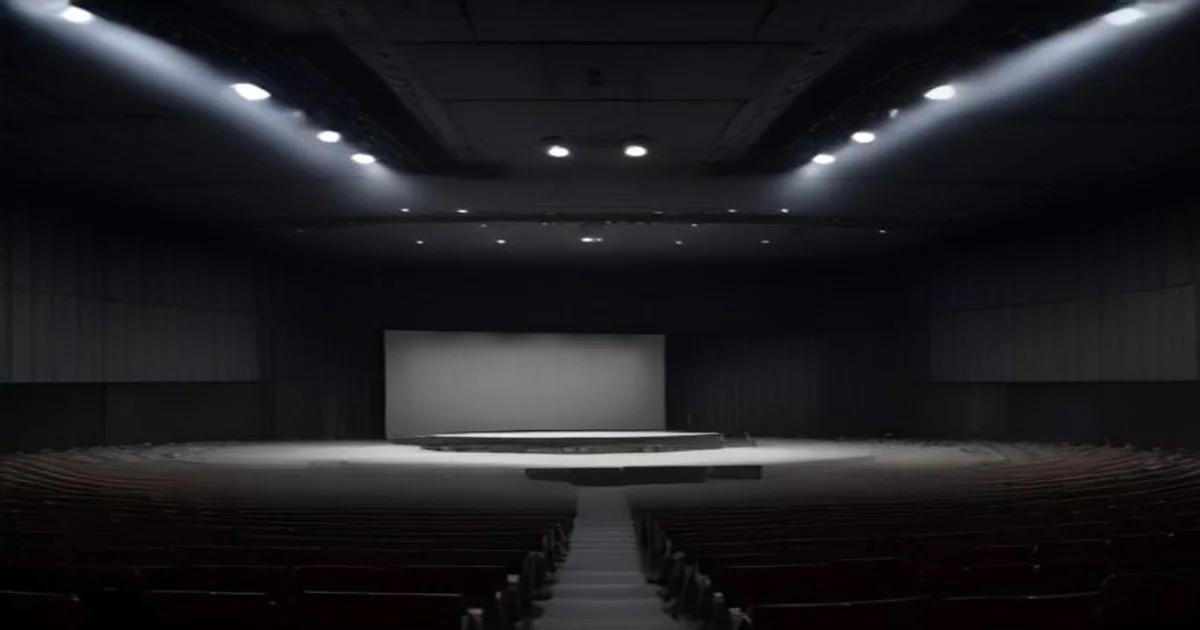
The Convergence of Sound and Intelligence
Modern architecture has long struggled with the static nature of physical environments. While visual aesthetics have evolved through parametric design, the invisible realm of acoustics has remained largely anchored in rigid, manual calculations. Enter AI-driven adaptive architectural acoustic optimization—a field that is fundamentally shifting how we experience sound within our built environments. By leveraging high-dimensional data and real-time sensor feedback, architects are now creating spaces that 'listen' and respond to their users.
The Mechanics of Algorithmic Acoustics
Traditional acoustic design relies on static models, such as Ray Tracing or Finite Element Analysis (FEA). These methods are essential but often fail to account for the chaotic, unpredictable variables of human presence. AI models, particularly deep learning architectures, can process millions of sound reflections per second.
'The integration of neural networks into acoustic modeling allows us to predict not just how a room sounds when empty, but how it behaves when filled with hundreds of moving, talking individuals.'
By utilizing machine learning algorithms, designers can now simulate complex wave interference patterns, identifying 'hot spots' of excessive reverberation or 'dead zones' where sound clarity is compromised. This level of precision allows for the design of buildings that naturally dampen noise without the need for unsightly sound-absorbing foam or obstructive structural additions.
Material Science and Dynamic Adaptation
Beyond pure simulation, the hardware aspect of this technology is equally fascinating. We are witnessing the rise of adaptive acoustic surfaces. These are smart architectural elements—often composed of shape-memory alloys or pneumatically driven panels—that change their geometry in response to AI instructions. When the room's occupancy drops, the walls may shift to increase surface area for higher absorption. Conversely, during a lecture or performance, the panels reorient themselves to enhance projection and clarity.
- Real-time Sensor Integration: IoT arrays feed live decibel and frequency data to a central AI hub.
- Actuator Feedback: Micro-controllers adjust panel angles based on the AI's optimized 'sound map.'
- Predictive Maintenance: Systems anticipate wear on material surfaces to ensure acoustic integrity remains consistent over decades.
Challenges in Scalability and Ethics
While the prospect of 'singing' buildings is enticing, significant hurdles remain. The computational power required for real-time acoustic adjustments is immense. Furthermore, there is the issue of privacy. If a building is continuously 'listening' to optimize its environment, how do we guarantee that this audio data is not repurposed? Implementing robust cybersecurity measures and edge computing solutions—where data is processed locally rather than in the cloud—is a mandatory requirement for the future of this technology.
The Generative Design Revolution
Generative AI is not only helping us manage acoustics in existing buildings; it is changing how we conceive of them from the ground up. By defining parameters like 'reverberation time' and 'speech intelligibility' as core inputs for a generative algorithm, architects can explore thousands of design variations that no human could calculate manually. This moves the discipline away from 'guessing' and toward 'optimizing' for the highest possible quality of human experience.
The Economic Case for Acoustic Comfort
There is a quantifiable correlation between environmental noise and human productivity. In open-plan offices, productivity loss due to distracting sound is a multi-billion dollar issue globally. AI-driven acoustic optimization offers a tangible return on investment. By reducing cognitive load caused by chaotic soundscapes, businesses can witness measurable improvements in employee performance and well-being. The initial cost of installing adaptive panels is easily offset by the long-term gains in human focus and mental health.
Future Outlook: Toward Bio-mimetic Acoustic Environments
As we look forward, the next phase of this innovation is likely to draw inspiration from nature. Forests and canyons handle sound effortlessly; they are the original adaptive acoustic systems. Future research into bio-mimetic architectural structures, controlled by AI, will aim to replicate the fluidity of these natural environments. Imagine a building that mimics the fractal geometry of a forest canopy to dissipate sound, continuously shifting its tiny surface elements as the wind or human movement dictates. This is the zenith of the field, where technology and nature become indistinguishable in the pursuit of auditory harmony.
Conclusion
AI-driven adaptive architectural acoustic optimization represents a pivotal transition from static infrastructure to responsive, sentient spaces. As the cost of actuators and sensors continues to plummet, we can expect this technology to move from high-end performance centers to corporate offices, residential hubs, and public spaces, ultimately redefining our daily interaction with the soundscapes of our world. We are not just building structures; we are crafting the sound of the future.