
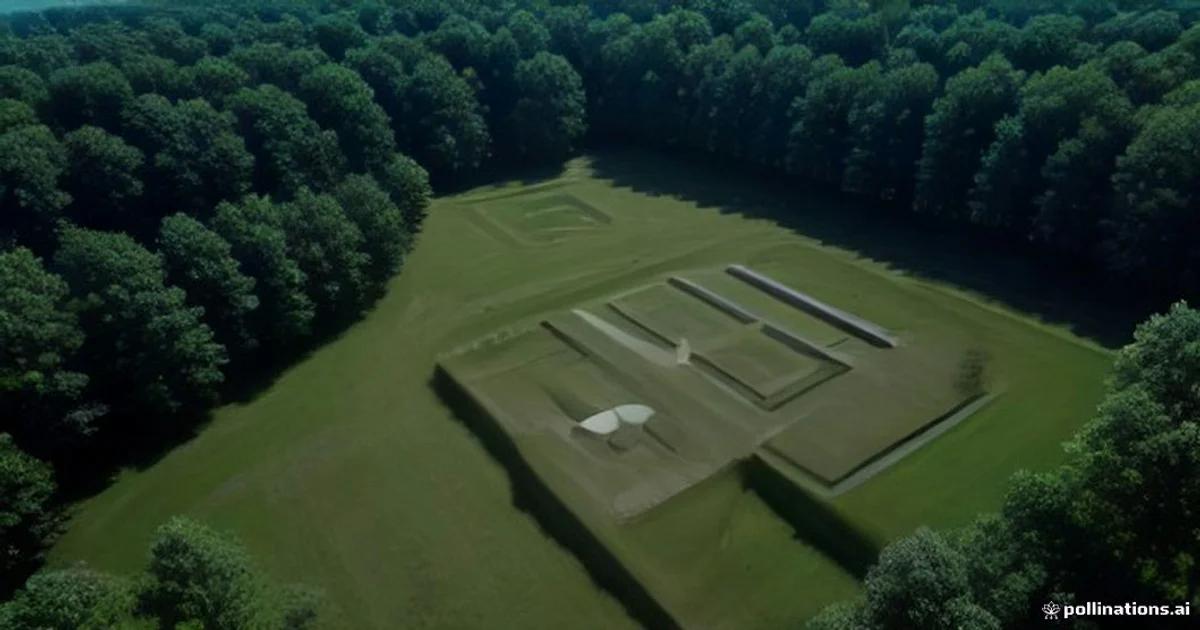
The Digital Evolution of Eternal Resting Places
The intersection of funerary science and high-end computation has birthed a new field: Adaptive Cemetery Cartography. As urban sprawl encroaches upon historic sites and climate change threatens the physical integrity of headstones, the need for intelligent, self-updating mapping systems has never been greater. By utilizing Machine Learning algorithms, we are moving away from static paper ledgers toward 'living' maps that breathe with the changing landscape.
Integrating Remote Sensing and Spatial AI
Traditional cartography relied on manual surveys that were prone to human error and significant time delays. Today, AI-driven adaptive systems utilize drone-mounted LIDAR and Ground-Penetrating Radar (GPR) to create high-fidelity 3D models. These datasets are fed into neural networks capable of identifying anomalies beneath the turf, such as unmarked graves or decaying crypt foundations, long before they pose a structural hazard.
'The integration of spatial AI into cemetery management is not merely an act of digitizing archives; it is a profound commitment to preserving human history against the entropy of time.'
The Mechanics of Adaptive Mapping
Unlike traditional CAD files, adaptive maps are dynamic entities. When environmental sensors detect high soil moisture or uneven land subsidence, the cartographic system automatically updates, alerting groundskeepers to potential risks. This is the core of Digital Transformation in the funerary industry:
- Real-time Erosion Tracking: AI monitors surface runoff and topography shifts.
- Monument Stability Scoring: Algorithms analyze visual data to identify fractures in stonework.
- Vegetation Management: AI optimizes trimming schedules to prevent tree roots from damaging burial plots.
Ethical Considerations and Data Sovereignty
While the technological leap is significant, the deployment of such systems requires a strict adherence to ethical guidelines. The digitization of burial records involves sensitive genealogical data that must be protected with the highest levels of encryption. Cybersecurity is not an afterthought here; it is a foundational requirement for ensuring that the final resting place remains secure from digital threats and unauthorized data mining.
Empowering Genealogical Research
Perhaps the most consumer-facing benefit of this technology is the transformation of the visitor experience. Imagine walking into a 200-year-old cemetery and accessing an augmented reality interface via your mobile device. As you navigate the winding paths, the adaptive map highlights the graves of your ancestors, providing historical context, archival photographs, and even interactive biographies. This immersive experience is made possible by the backend intelligence of adaptive mapping, which harmonizes vast swathes of disjointed record-keeping into a single, accessible repository.
Future Trajectory: Predictive Restoration
Looking toward the next decade, the goal is to shift from reactive maintenance to predictive restoration. By analyzing historical weather patterns and geological data, adaptive maps can forecast how a specific section of a cemetery will deteriorate over the next fifty years. This allows municipalities to allocate funds precisely where they are needed, ensuring that the legacy of those interred is protected without wasting precious resources.
The Role of Smart Systems in Heritage Conservation
Technology must always serve the preservation of humanity. In this context, AI acts as a digital steward. By automating the mundane aspects of site surveying and maintenance, ground teams can focus on the delicate, human-centered work of restoring carvings and maintaining the sanctity of the grounds. This symbiotic relationship between human empathy and machine efficiency is the true hallmark of innovation.
Overcoming Implementation Barriers
One might ask, 'What is the cost of such high-tech implementation?' While the upfront costs for scanning and data processing are non-trivial, the long-term savings in manual labor and preventative repair are substantial. Furthermore, as AI chips become more accessible, the barriers to entry for smaller, privately-owned cemeteries will continue to lower, enabling widespread adoption of these sophisticated tools.
Conclusion: A Legacy Refined
AI-driven adaptive cemetery cartography is the bridge between our collective past and our technological future. By refining how we view and maintain our cemeteries, we ensure that memories are not lost to the erosion of soil or the passage of time. It is a quiet revolution, happening beneath our feet, where silicon and stone converge to protect the sanctity of our history.