The Convergence of Intelligence and Ecology
Forest fires are evolving. As climate change shifts the boundaries of fire seasons, traditional firefighting methods are being pushed to their absolute limits. The integration of AI-Driven Adaptive Forest Firefighting represents a paradigm shift from reactive suppression to proactive, data-informed resilience. By leveraging deep learning and autonomous robotics, agencies are gaining the upper hand against increasingly volatile wildfire events.
The Role of Predictive Modeling
At the core of this revolution is the capacity to predict fire behavior before it becomes catastrophic. Traditional models often relied on static historical data, but today’s AI systems utilize dynamic variables. Modern algorithms process satellite imagery, soil moisture levels, wind velocity, and humidity in real-time. This creates a digital twin of the forest that acts as a simulation engine, allowing commanders to forecast fire propagation with unprecedented accuracy.
'The integration of predictive algorithms allows for the precise deployment of fire suppression resources, ensuring that the right assets reach the right sectors long before a small spark transforms into a mega-fire.'
Autonomous Aerial Surveillance
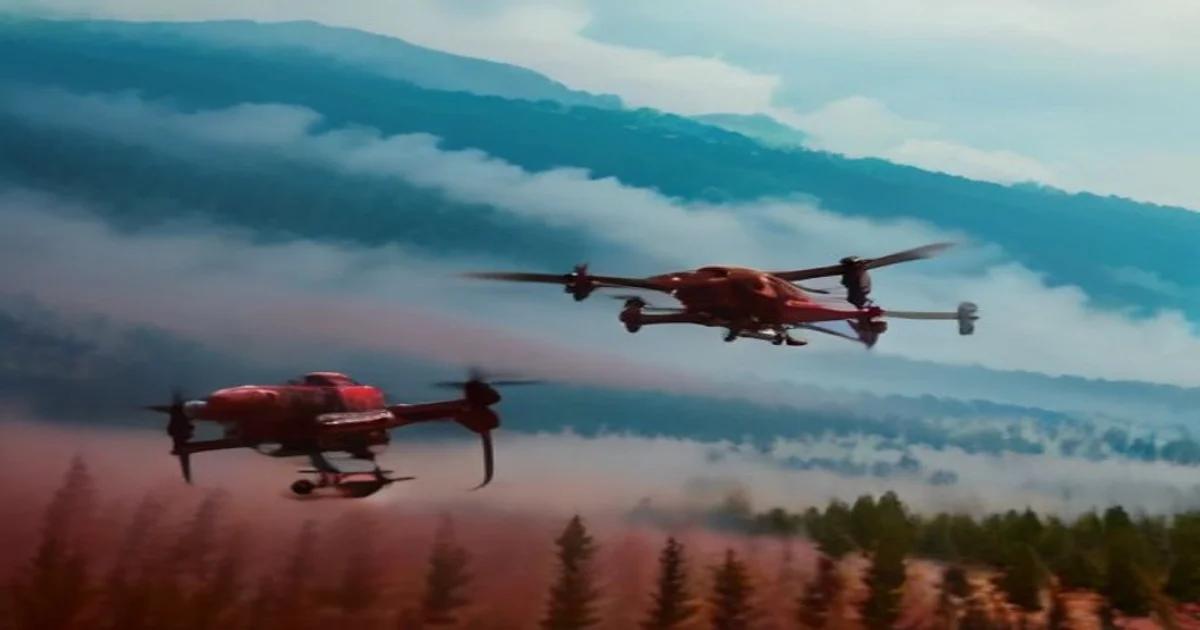
Gone are the days of relying solely on periodic human patrols. Autonomous drones equipped with hyper-spectral cameras and infrared sensors act as persistent sentinels. These devices use machine learning to differentiate between benign smoke from industrial activity and the distinct heat signatures of a brush fire. Once a fire is detected, these systems transmit precise GPS coordinates to command centers and, in some cases, deploy initial fire suppression canisters immediately.
Neural Networks in Suppression Strategy
Deep learning is not just about detection; it is about strategic execution. Neural networks now analyze thousands of firefighting variables, such as slope gradient, vegetation type, and fuel loads, to suggest optimal containment lines. By simulating thousands of possible outcomes in seconds, AI provides fire chiefs with a decision-support dashboard that is far faster than manual calculations.
- Optimized Resource Routing: AI ensures fire trucks and tankers move along paths that minimize response time while navigating difficult terrain.
- Resource Management: Automated tracking of water supply, foam availability, and crew fatigue levels ensures that teams are utilized effectively.
- Collaborative Robotics: Swarms of autonomous ground rovers can create physical firebreaks by clearing debris in areas too dangerous for human personnel.
The Future of Smart Firefighting Ecosystems
As we look ahead, the vision is of a fully interconnected 'Smart Forest' ecosystem. This involves IoT sensors embedded in trees that monitor tree health and micro-climates, feeding back into the broader AI framework. This continuous stream of data helps identify high-risk zones weeks or even months before a fire starts. The goal is to move towards 'precision forest management,' where controlled burns are conducted with AI-calculated variables to maximize environmental benefit and minimize risk.
Challenges and Ethical Considerations
Despite the technological advancements, the adoption of AI in firefighting is not without its hurdles. The reliance on data connectivity in remote, mountainous regions remains a significant technical challenge. Furthermore, the decision-making process must remain transparent. When an AI system suggests a strategy for back-burning or evacuations, there must be human oversight to ensure that ethical guidelines and public safety policies are strictly adhered to. The 'human-in-the-loop' approach remains the standard for high-stakes fire operations.
Conclusion
AI-Driven Adaptive Forest Firefighting is not merely an innovation in software; it is a fundamental transformation of how humanity interacts with the environment. By combining the processing power of neural networks with the agility of robotics, we are creating a more resilient future where forests are better protected and communities are significantly safer. As this technology matures, it will undoubtedly become the backbone of modern disaster response, turning the tide against the growing threat of global wildfires.