
The Intersection of Memory and Machine
Heritage gastronomy represents the collective soul of human history, preserved through the smells, tastes, and textures of ancestral cooking. However, as global migration patterns shift and generational knowledge fades, many traditional culinary techniques are at risk of extinction. Enter the era of AI-driven adaptive heritage gastronomy, a sophisticated intersection of food science, cultural anthropology, and machine learning that aims to immortalize these traditions while ensuring they remain relevant to contemporary palates.
Digitizing the Culinary Archive
The process begins with data ingestion. By utilizing advanced optical character recognition (OCR) and natural language processing (NLP), researchers are now able to ingest centuries-old handwritten manuscripts, community cookbooks, and even fragmented oral histories into massive digital databases. These systems do not just store text; they map the chemical compositions of traditional ingredients, analyzing historical flavor pairings to understand why specific combinations were favored in ancient diets.
'Heritage is not static; it is a living, breathing entity that evolves through the lens of human experience, now augmented by the precision of silicon and code.'
The Role of Adaptive Algorithms
Once the foundational data is captured, Generative AI models act as the architects of adaptation. Modern gastronomy faces unique challenges, such as the unavailability of certain regional flora or the need for lower sodium and refined sugar content. AI algorithms analyze these constraints and propose molecular substitutions that maintain the 'essence' of the original dish. By adjusting the chemical makeup of a recipe, the system ensures that a 400-year-old stew can be produced in a high-tech kitchen today without losing its cultural identity.
- Flavor Mapping: Identifying the volatile compounds responsible for the core profile of a heritage dish.
- Nutritional Balancing: Scaling traditional recipes to meet modern WHO health standards without sacrificing taste.
- Source Optimization: Recommending sustainable local alternatives for rare heritage ingredients that are currently endangered.
Bridging Global Disconnects
The true power of this technology lies in its ability to democratize access to world heritage. Through machine learning, we can simulate the 'lost' regional variations of a national dish. For example, a system could reconstruct how a specific fermented spice mix tasted in the 17th century based on regional environmental data and historical trading logs. This offers a bridge for displaced populations to reconnect with their roots through a sensory experience that feels authentic yet technically refined.
Ethical Implications and Human Oversight
While the automation of heritage is a powerful tool, it is not without risks. Cultural appropriation and the homogenization of flavor are valid concerns. Therefore, the implementation of these AI systems requires strict ethical frameworks. The goal of adaptive gastronomy should never be to replace the chef or the grandmother in the kitchen; it is to provide them with a digital toolkit that preserves the nuances that might otherwise be lost to time. Human culinary experts must always serve as the final curators of these AI-generated outputs, ensuring that the soul of the food remains intact.
The Future of Sustainable Dining
Looking ahead, AI-driven adaptive gastronomy could play a pivotal role in global food security. By understanding the drought-resistant crops utilized in ancient heritage diets and utilizing predictive modeling to determine where those crops can grow today, we can revitalize biodiverse agriculture. This is more than just cooking; it is a strategy for ecological and cultural resilience. As we look at the future of food, we must acknowledge that technology is the key to unlocking the wisdom of the past.
Integrating Robotics in the Kitchen
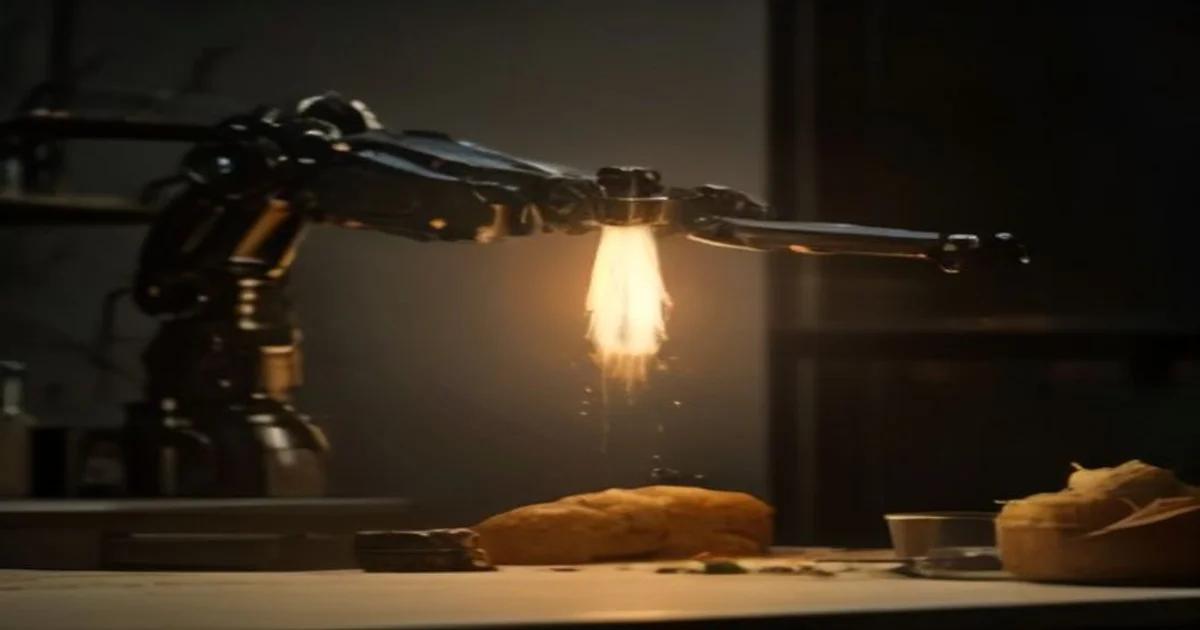
Beyond data and software, the hardware side of this evolution involves advanced robotics. Precision cooking systems can manage temperatures, fermentation times, and precise cutting techniques that were once managed by intuition. By training these robots on the sensory inputs of master chefs, we create a scalable model for artisanal production. This ensures that a traditional dish can be prepared with the exact rigor intended by its original creators, effectively eliminating human error during the high-pressure environment of a commercial kitchen.
Building the Digital Library of Taste
We are currently witnessing the construction of a 'Universal Flavor Library.' This effort, powered by neural networks, seeks to map every known edible substance and its potential flavor interactions. When this is applied to heritage recipes, it allows chefs to perform 'culinary archaeology.' By inputting a list of ingredients from an ancient excavation site, an AI can hypothesize the cooking method that would have maximized the nutritional output of those ingredients. This scientific approach changes how we teach culinary arts in schools, shifting the focus from rote memorization to a deep understanding of flavor chemistry and historical context.
Final Thoughts on Culinary Resilience
As we continue to navigate the digital transformation of our world, the preservation of our intangible cultural heritage is paramount. AI-driven adaptive gastronomy provides a unique opportunity to celebrate our diversity rather than erode it. By codifying the traditions of the past into the protocols of the future, we ensure that the legacy of every culture remains a vibrant, evolving, and essential part of the global dining experience. We must continue to invest in these technologies with caution and deep respect for the communities whose traditions we are working to protect and promote for the next century.