
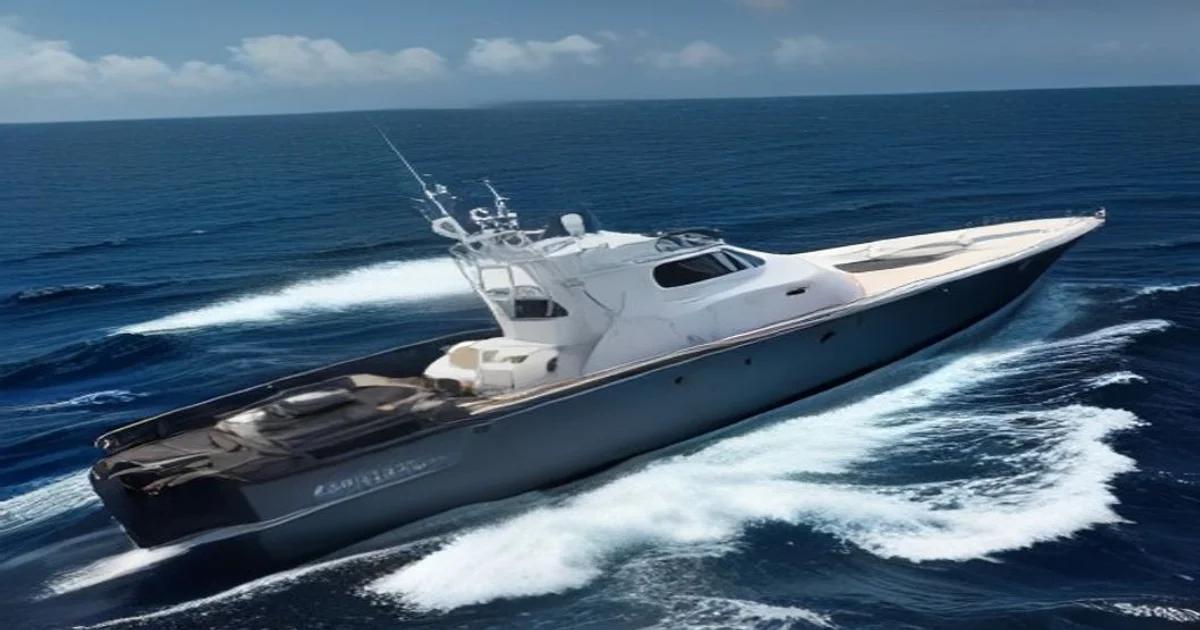
The New Frontier of Maritime Security
Maritime law enforcement has long been hindered by the vastness of the world's oceans. Policing millions of square miles of international waters requires logistical capabilities that often exceed the resources of individual nation-states. However, the advent of AI-driven adaptive maritime law enforcement is shifting this paradigm. By integrating advanced machine learning, satellite imagery, and autonomous vessel networks, authorities can now maintain a persistent, intelligent presence in areas that were once considered unmonitored.
The Shift Toward Predictive Intelligence
Traditional maritime surveillance relied on reactive patrols—waiting for an distress signal or a report of illegal fishing to arrive. AI, by contrast, transforms this into a proactive endeavor. By training models on AIS (Automatic Identification System) historical data, neural networks can now identify patterns associated with 'dark vessels'—ships that deactivate their tracking systems to hide illicit activities like smuggling or illegal, unreported, and unregulated (IUU) fishing.
'The integration of artificial intelligence is not merely an incremental update to maritime security; it is a fundamental transformation of how sovereign nations protect their maritime domains through predictive, rather than reactive, methodologies.'
Core Components of Adaptive Enforcement
- Dynamic Data Synthesis: Modern systems ingest millions of data points from radar, sonar, and satellite feeds in real-time.
- Behavioral Anomaly Detection: AI algorithms constantly calculate the 'norm' of vessel movement, flagging deviations that suggest illegal rendezvous points.
- Autonomous Response Assets: Unmanned Surface Vessels (USVs) can be deployed automatically to investigate high-risk targets without endangering human crews.
- Adaptive Resource Allocation: Algorithms suggest optimal deployment patterns for manned patrol vessels based on environmental factors and historical threat assessments.
Ethical and Legal Challenges
While the benefits of automation in maritime law are significant, the technology raises critical questions regarding jurisdiction and ethics. How does a nation respond to an autonomous alert in international waters? What level of human-in-the-loop oversight is necessary to ensure that force is applied legally and proportionally?
Balancing Automation and Human Oversight
Automation does not imply the removal of human decision-makers. Instead, it provides them with superior intelligence to make informed choices. The goal of 'adaptive' enforcement is to create a digital workspace where data-driven insights support human command, ensuring that officers in naval command centers are not overwhelmed by raw information but are instead presented with actionable intelligence.
Future Trends in Global Maritime Domain Awareness
As we look forward, the convergence of quantum computing and maritime security will likely further accelerate these capabilities. We are moving toward a 'Global Maritime Mesh,' where every vessel's identity is verified by blockchain technology, and AI serves as the constant watchman of the seas. This digital transformation will ultimately reduce the cost of patrol missions while significantly increasing the apprehension rates for maritime criminals.
The Economic Impact
Beyond just enforcement, adaptive AI helps protect the blue economy. By effectively monitoring environmental compliance and preventing overfishing, these technologies safeguard the long-term sustainability of the world's oceans. Companies that invest in AI-driven maritime tech will likely lead the sector for the next decade, providing the software and hardware backbones for secure global trade routes.
Implementation Strategies for Coastal Nations
For governments looking to integrate these systems, a phased approach is essential.
- Phase 1: Data Integration: Consolidate disparate datasets into a centralized AI-ready cloud architecture.
- Phase 2: Pilot Testing: Implement AI behavioral models in high-traffic, known-risk areas to establish baseline performance metrics.
- Phase 3: Autonomous Scaling: Deploy autonomous surveillance assets, such as long-range drones, to provide constant aerial monitoring.
- Phase 4: Full System Integration: Enable automated alert-to-interceptor workflows to minimize the time from detection to engagement.
In conclusion, AI-driven adaptive maritime law enforcement represents a necessary evolution in our efforts to manage the global commons. By leveraging the power of smart systems, we can ensure that our oceans remain safe, regulated, and sustainable for generations to come. The era of the 'dark ocean' is ending, replaced by a transparent, digitally monitored environment that leaves nowhere for illicit actors to hide. As technology continues to mature, we expect to see even greater synergy between human intent and machine execution, resulting in a more resilient and secure maritime world.

