
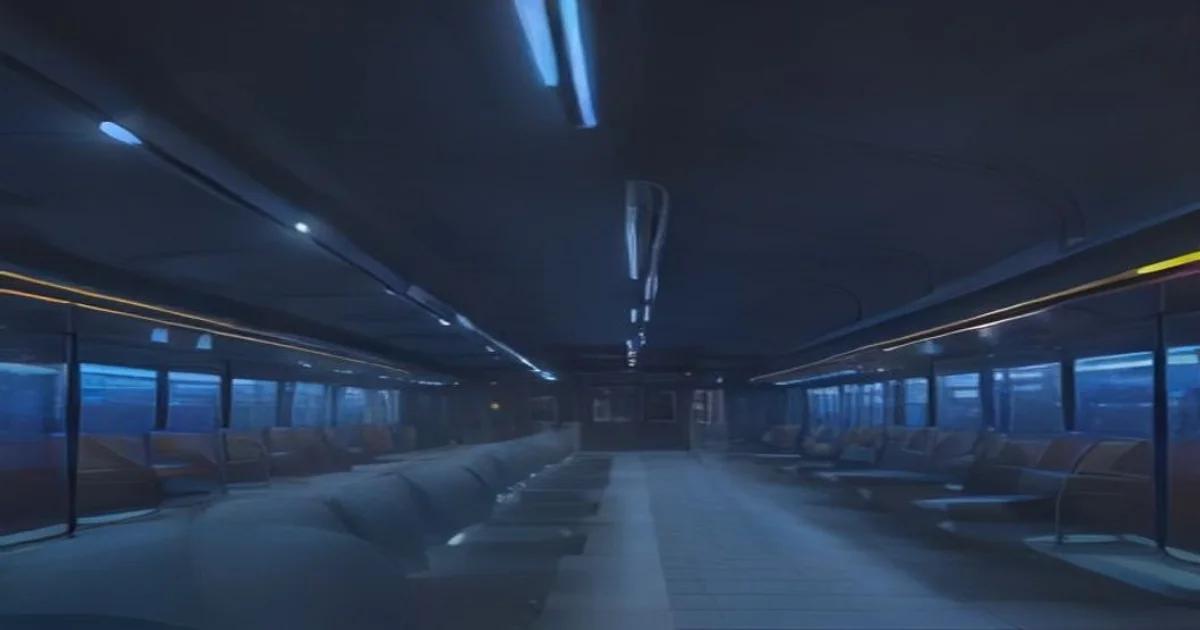
The Shift Toward Intelligent Urban Transportation
Public transit systems have historically relied on rigid, static schedules designed months in advance. These timetables often fail to account for the fluid nature of modern urban life, resulting in either empty vehicles or overcrowded platforms. AI-driven adaptive transit scheduling represents a paradigm shift, utilizing massive data sets and predictive analytics to create flexible, responsive networks that evolve alongside city demand.
Harnessing Real-Time Data Streams
At the core of this transition lies the integration of Internet of Things (IoT) sensors, GPS data, and mobile ticketing information. By processing this information through advanced machine learning models, transit authorities can predict surges in passenger volume caused by sudden weather changes, local events, or traffic accidents. Instead of adhering to a predetermined schedule, the AI instructs fleet managers to deploy extra buses or adjust train intervals instantaneously.
'Adaptive scheduling is no longer a luxury for transit agencies; it is an essential component of modern infrastructure that minimizes carbon footprints and boosts economic efficiency.'
The Mechanics of Predictive Algorithms
Deep learning algorithms play a pivotal role in this ecosystem. By analyzing historical ridership patterns combined with real-time social media sentiment and traffic congestion reports, these models can anticipate future demand with high precision. This proactive approach allows operators to shift resources before bottlenecks occur rather than reacting after a system failure.
- Dynamic Route Optimization: Algorithms calculate the most efficient path based on active road conditions.
- Fleet Load Balancing: Automated systems ensure vehicle capacity matches demand to prevent overcrowding.
- Intermodal Synchronization: Coordinating train arrivals with bus and ride-sharing departures to ensure smooth transfers.
Reducing Environmental Impact
One of the most profound benefits of AI-driven transit is sustainability. Idling vehicles and unnecessary routes are significant contributors to urban pollution. By deploying vehicles only when and where they are needed, cities can drastically lower fuel consumption and maintenance costs. Furthermore, the intelligent scheduling of electric bus fleets—optimizing charging cycles around peak demand hours—maximizes the lifespan of battery technology.
Overcoming Implementation Barriers
While the benefits are clear, the path toward full automation is not without challenges. Data privacy remains a primary concern for passengers, requiring robust cybersecurity frameworks to protect location data. Furthermore, transit agencies must bridge the gap between legacy hardware and modern software. Investment in centralized cloud computing infrastructure is essential to handle the massive processing power required for city-wide adaptive scheduling.
The Role of Human Oversight
Despite the sophistication of artificial intelligence, human oversight remains vital. Transit planners act as the architects who define the parameters and ethical constraints under which the AI operates. This human-in-the-loop system ensures that scheduling remains equitable, preventing the system from ignoring underserved or low-income neighborhoods in favor of high-traffic commercial zones.
Future Trends in Intelligent Mobility
As we look ahead, the synergy between AI and autonomous vehicles will define the next phase of transit evolution. We are approaching a future where micro-transit solutions integrate seamlessly with high-capacity rail lines, guided by a singular, intelligent 'brain.' This holistic approach will likely dissolve the traditional lines between public and private transportation, creating a unified mobility-as-a-service (MaaS) landscape.
In conclusion, the adoption of AI-driven adaptive scheduling is not merely a technological upgrade but a fundamental redesign of how cities function. By prioritizing responsiveness and data-driven efficiency, municipalities can foster more livable, sustainable, and inclusive urban environments for all citizens.