The Convergence of Algorithmic Precision and Artistic Expression
The landscape of classical music is undergoing a tectonic shift as we integrate AI-driven adaptive symphony orchestration into the concert hall. For centuries, the symphony orchestra has remained a bastion of human-only tradition, governed by the nuances of the conductor and the collective spirit of the musicians. Today, that tradition is being augmented, not replaced, by sophisticated algorithms capable of analyzing and responding to the acoustic environment in real time.
The Mechanics of Adaptive Systems
At the core of this technological leap are multi-modal sensors and neural networks that process audio data with sub-millisecond latency. Unlike standard recording equipment, these systems act as a 'second set of ears' for the conductor. By utilizing deep learning models, the system can identify deviations in pitch, timbre, or tempo that occur due to environmental factors like room humidity or the physical exhaustion of the ensemble.
'True art lies in the tension between rigid structure and organic spontaneity. AI provides the framework, but the musicians provide the soul,' notes a leading music technologist.
How Real-Time Adaptation Works
- Acoustic Profiling: AI maps the resonance of the concert hall to optimize sound distribution.
- Predictive Dynamics: Algorithms anticipate climactic swells and adjust acoustic baffling or amplification settings accordingly.
- Performer Bio-Feedback: Wearables monitor heart rate and muscle tension to suggest tempo adjustments that maintain the longevity of the players.
Transforming the Composer Workflow
Generative AI has fundamentally changed how symphonies are written. Composers now use advanced LLMs to experiment with orchestration palettes that were previously impossible to visualize. By feeding a MIDI sequence into a neural engine, a composer can hear how a passage would sound if rearranged for a chamber orchestra, a full philharmonic, or even an experimental ensemble with unconventional instruments.
This is not a 'black box' process. Rather, it is a high-speed iteration cycle. The composer remains the architect, while the AI functions as a tireless assistant capable of generating thousands of harmonic variations, effectively expanding the creative horizon. This synergy allows for the emergence of 'living scores'—compositions that can evolve and adapt based on the audience's engagement or the specific acoustics of the venue.
Challenging the Boundaries of Tradition
The role of the conductor is also evolving. With an AI-driven dashboard, a conductor can now visualize the sound stage in three dimensions. The software provides real-time data overlays on a digital score, highlighting sections that may be dragging or over-projecting. This allows for a level of precision that was historically reserved for studio post-production, now achievable in a live concert setting.
However, this innovation comes with ethical questions. Does the inclusion of AI diminish the human achievement of performing a complex piece? Critics argue that the essence of a symphony is the human struggle. Proponents, however, view AI as a sophisticated 'tuning fork' that clears the clutter of technical limitations, allowing musicians to focus entirely on emotional transmission.
The Future of the Concert Experience
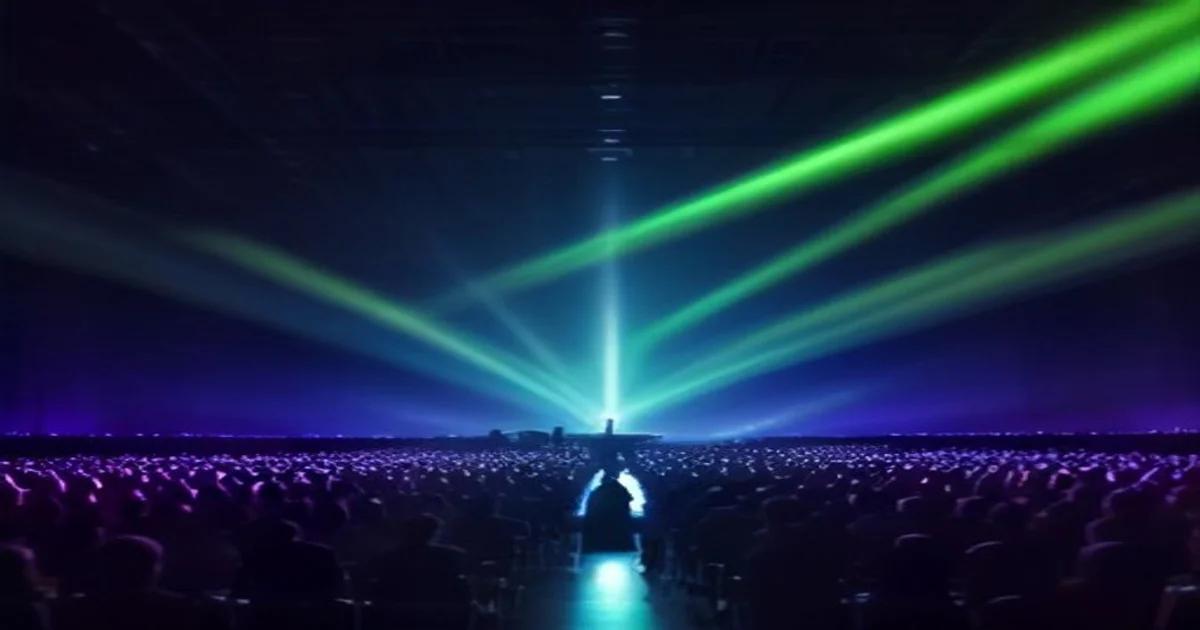
Imagine a world where the orchestra responds to the audience. By utilizing computer vision, systems could track the collective attention and emotional response of the crowd, adjusting the intensity of the music to match the room's energy. This creates an immersive experience that breaks the 'fourth wall' of classical music, turning every concert into a unique, one-of-a-kind performance that can never be replicated.
Furthermore, the democratization of orchestral composition through AI means that music schools can provide students with tools previously found only in the most prestigious conservatories. A student in a rural region with an internet connection can now use AI orchestration tools to hear their work played back by a virtual, high-fidelity symphonic model.
Technical Hurdles and Scalability
The deployment of these systems is not without challenge. The sheer computational power required to process high-resolution audio in real time necessitates edge computing solutions. Relying on cloud infrastructure introduces latency, which is unacceptable in a musical context. Therefore, the future lies in localized AI hardware—custom chips integrated into the concert hall's infrastructure that handle deep learning tasks locally.
This field is still in its infancy. As we look ahead, we anticipate the integration of haptic feedback systems for performers, allowing them to feel the rhythm of the AI-driven tempo directly through their instruments or floor panels. The goal is a seamless fusion where the line between digital assistance and human intuition disappears entirely, leaving only the music.
In conclusion, AI-driven adaptive symphony orchestration represents the ultimate partnership between human creativity and machine intelligence. It does not replace the musician; it elevates them. It offers a new language for composers and a deeper, more immersive experience for listeners, ensuring that the symphony remains a vibrant, evolving art form in the 21st century and beyond. The future of sound is intelligent, adaptive, and profoundly human.