The Convergence of Biology and Silicon
The intersection of natural history and artificial intelligence might seem unlikely, yet the field of taxidermy preservation is undergoing a profound digital transformation. As museums across the globe grapple with the inherent decay of biological specimens, AI-driven adaptive systems have emerged as the vanguard of conservation science. By integrating computer vision, deep learning, and advanced robotics, conservators are now able to monitor and preserve historical artifacts with a level of precision previously thought impossible.
Predictive Analytics for Material Degradation
Taxidermy is fundamentally a fight against entropy. Hide, feathers, and organic structures are prone to fluctuations in humidity, temperature, and UV exposure. Traditional methods relied heavily on human intervention and passive monitoring. Today, sophisticated Machine Learning algorithms process thousands of data points from environmental sensors to predict degradation patterns before they become visible to the naked eye.
'The future of preservation lies in our ability to anticipate chemical breakdown at the molecular level before it manifest in the physical structure of the hide.'
By feeding historical preservation data into neural networks, researchers can determine the exact climate thresholds required for specific species and tanning techniques. This proactive approach saves thousands of hours of manual labor and significantly extends the lifespan of sensitive historical collections.
Robotic Restoration and Non-Invasive Cleaning
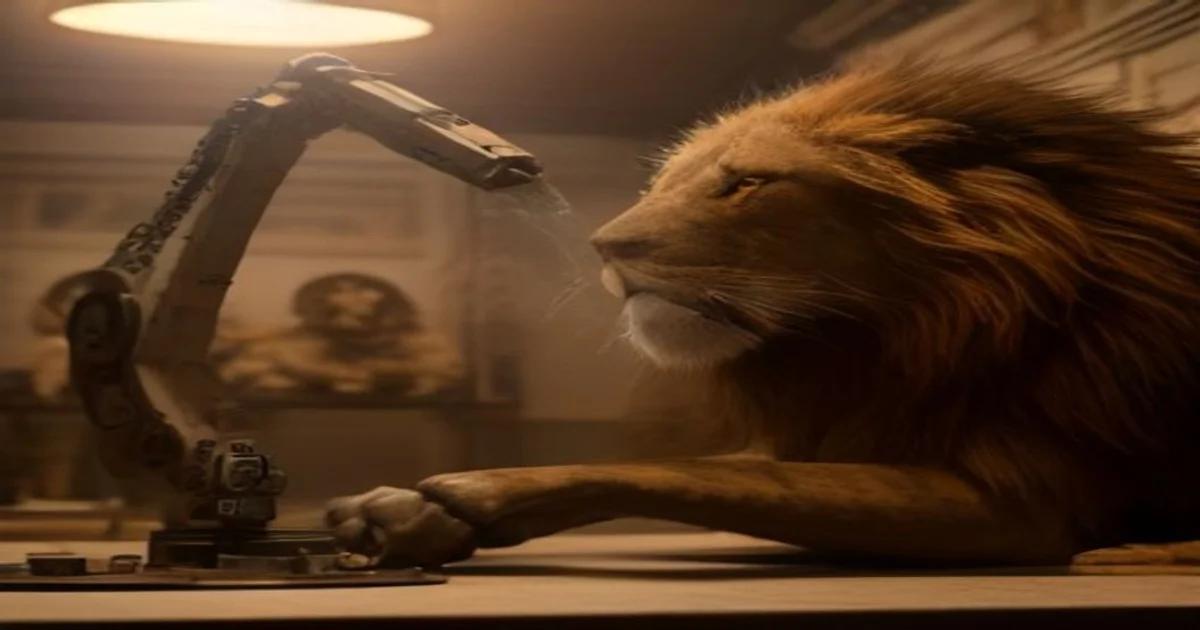
Perhaps the most exciting application of AI in this field is the use of adaptive robotics for restoration. Delicate specimens often suffer from accumulated dust, mold, or structural sagging. Human touch, no matter how careful, carries the risk of abrasive damage. AI-controlled robotic arms, equipped with haptic feedback and high-resolution cameras, now perform micro-cleaning tasks.
- Computer Vision: Identifies specific areas of dirt or mold accumulation while distinguishing between native biological structures and foreign contaminants.
- Haptic Calibration: Ensures that the robotic end-effectors apply only the minimum necessary pressure to lift debris without disturbing hair follicles or connective tissue.
- Autonomous Pathing: Algorithms calculate the most efficient cleaning trajectory, minimizing exposure time and maximizing coverage.
Digital Twins and Structural Integrity
When a specimen is too fragile to manipulate, the creation of a 'digital twin' becomes essential. Using photogrammetry and LiDAR, museums can create highly accurate 3D models of their collections. AI then analyzes these models to identify structural weaknesses—such as internal wire fatigue or skin tearing—allowing conservators to perform 'virtual' stress tests.
This technology allows for a simulation-based approach to restoration. Conservators can test various chemical consolidants or structural reinforcements in the virtual environment to observe their long-term efficacy without touching the actual specimen. This is a revolutionary shift toward evidence-based conservation.
Future Challenges and Ethical Considerations
As we integrate more technology into the preservation process, we must address the ethical implications of 'automating' historical artifacts. There is an ongoing debate regarding the extent to which a specimen should be restored by a machine. Does an AI-repaired feather look too perfect? Does it strip the artifact of its historical 'patina'?
Furthermore, the cost of implementing these smart systems remains high. Smaller institutions may find themselves at a disadvantage, potentially leading to a disparity in the quality of preservation across the museum landscape. To democratize this technology, researchers are working on open-source algorithms and modular hardware that can be retrofitted onto existing museum equipment.
The Role of Data Science in Taxonomy
Beyond simple maintenance, data science is helping us understand the evolution of taxidermy methods themselves. By analyzing the chemical composition of 19th-century preservation fluids using AI, scientists are uncovering lost recipes that may have been superior to modern alternatives. This synthesis of historical knowledge and modern computing power is effectively bridging the gap between centuries of practice and the possibilities of the future.
In conclusion, the marriage of AI and taxidermy preservation is not merely a trend but a necessity in the face of climate change and the aging of global collections. By leveraging automation and data, we ensure that these silent witnesses to Earth's biodiversity remain intact for generations to come. The goal is not to replace the human conservator, but to empower them with the analytical and physical tools required to defend history against the relentless march of time.