
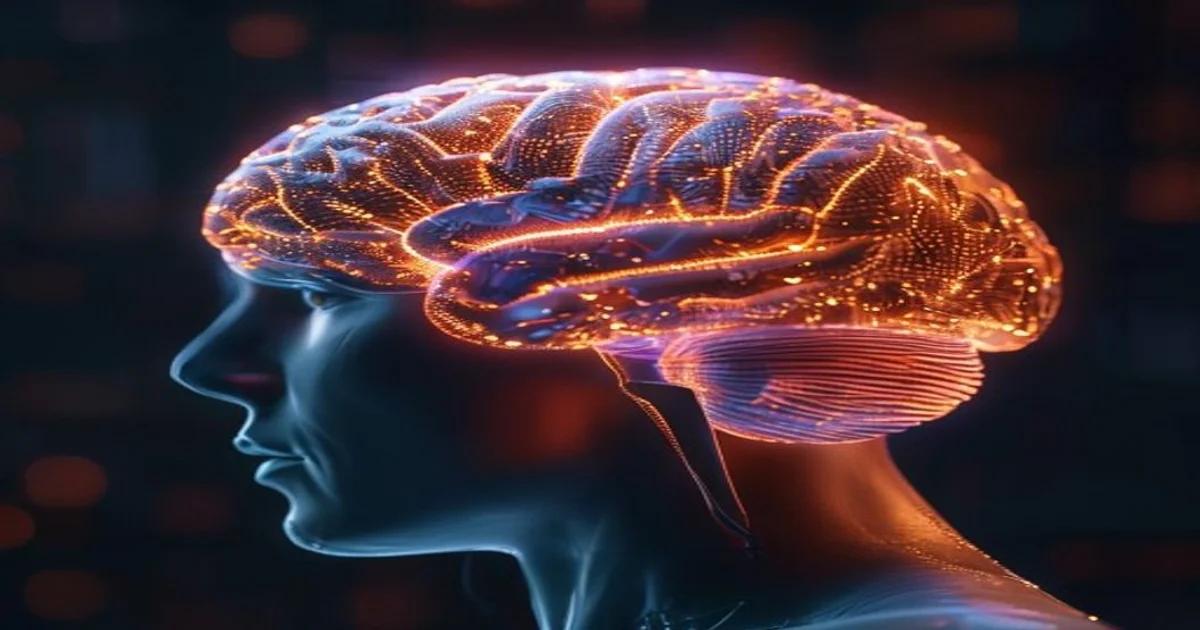
The Convergence of Biology and Silicon
The landscape of human evolution is undergoing a tectonic shift as we enter the era of the AI-driven bio-integrated neural interface. By fusing the computational prowess of deep learning models with the nuanced firing patterns of the human cortex, scientists are opening doors to capabilities once confined to science fiction. These interfaces do not merely mimic biological processes; they augment them, creating a symbiotic loop where AI processors act as cognitive co-pilots for the organic mind.
How Neural Decoding Works
At the heart of this technology lies the ability to decipher 'neural intent.' When a human thinks, the brain fires specific patterns of action potentials. By utilizing high-bandwidth micro-electrode arrays, bio-integrated systems capture these electrical discharges. AI algorithms—specifically Recurrent Neural Networks (RNNs) and Transformers—are then tasked with decoding these messy, high-dimensional signals into actionable data commands or intelligible outputs.
The integration of AI into the neural substrate represents the most significant leap in cognitive architecture since the development of language itself.
Advancements in Neuroplasticity
The brain is inherently adaptable, a property known as neuroplasticity. Recent research indicates that when a bio-integrated neural interface is introduced, the brain begins to treat the artificial hardware as an extension of its own sensory-motor toolkit. This process is accelerated by AI feedback loops, which adjust signal sensitivity in real-time to match the user's current cognitive state, effectively 'training' the brain to communicate with the machine more efficiently.
The Role of Generative AI in Neural Synthesis
Generative AI serves as the bridge between raw neural noise and functional output. By processing historical data from the user, the system builds a personalized dictionary of neural signatures. This allows the interface to predict intent before the physical action is completed, essentially reducing latency to near-zero levels. This predictive capacity is essential for applications ranging from restoring motor function in paralyzed patients to enabling direct thought-to-text communication.
Security and the Integrity of Thought
As we merge AI with the brain, the question of cybersecurity becomes existential. The thought process is the final frontier of privacy. Developers are implementing 'neural firewalls' that utilize decentralized encryption, ensuring that the interface processes data locally on-chip rather than transmitting sensitive biological data to the cloud. This approach is paramount to maintaining cognitive sovereignty in an interconnected world.
Navigating the Ethical Frontier
The widespread adoption of bio-integrated systems necessitates a robust ethical framework. Issues concerning neural enhancement, socio-economic disparity, and the potential for 'thought manipulation' are being debated at the highest levels of global technology policy. We must distinguish between therapeutic use—such as neuro-rehabilitation—and elective augmentation, as the lines between them continue to blur under the pressure of market demands.
The Path Ahead
Looking toward the next decade, we anticipate that AI-driven neural interfaces will evolve from cumbersome, invasive procedures to minimally invasive, flexible 'neural lace' technologies. These systems will integrate with the existing vascular or lymphatic networks of the brain, bypassing the need for traditional surgery while offering superior bandwidth. As these technologies mature, they will not only heal the broken but expand the boundaries of human creative and analytical capability.