The Intersection of Technology and Heritage
In an era defined by rapid globalization, the erosion of cultural identity has become an urgent concern for humanity. As younger generations migrate and traditional practices fade, the unique linguistic patterns, oral histories, and artisanal techniques that define us risk disappearing entirely. However, we are witnessing a paradigm shift where AI-driven cultural identity preservation is not merely a possibility but a reality. This technological evolution allows for the democratization of history and the revitalization of cultures that were once thought to be on the brink of oblivion.
Linguistic Resurrection Through Deep Learning
Language is the bedrock of culture. When a language dies, a world view vanishes with it. Recent breakthroughs in Natural Language Processing (NLP) are enabling linguists and indigenous communities to bridge the gap between disappearing tongues and digital survival. By utilizing high-capacity language models, researchers can process fragmented audio recordings, handwritten scrolls, and oral testimonies to reconstruct syntax, vocabulary, and phonetic nuances that were previously indecipherable.
- Automated Transcription: Algorithms now process centuries-old, damaged audio archives with precision.
- Real-time Translation: AI bridges gaps between isolated cultural groups and global audiences.
- Pedagogical Tools: Adaptive learning platforms provide personalized curricula for learning endangered dialects.
'Language is the archive of our collective human experience, and AI acts as the modern curator for its longevity.'
Digital Reconstruction of Material Culture
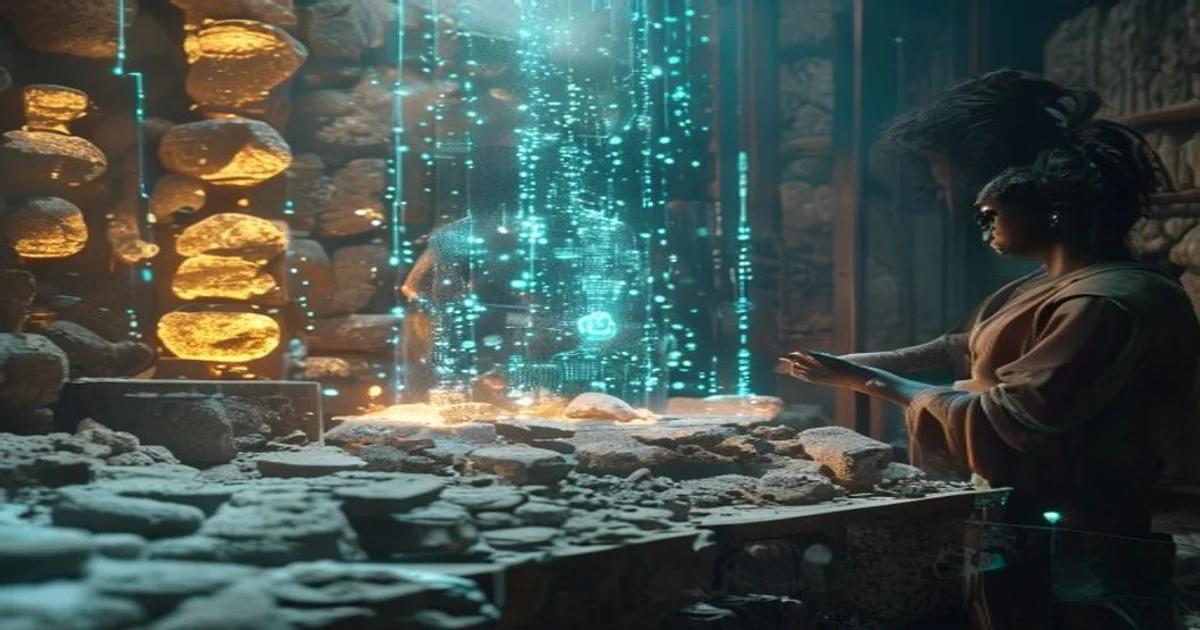
Beyond language, physical artifacts and architectural wonders are vulnerable to the ravages of conflict, climate change, and time. Generative AI and computer vision are currently being employed to recreate 3D representations of sites that have been decimated. By training models on incomplete architectural fragments, engineers can 'predict' the missing components of a site, providing a faithful digital twin that serves as both a repository of truth and an immersive educational tool for future generations.
The Role of Ethics in Digital Preservation
As we entrust machines with our cultural legacy, we must grapple with the ethics of data sovereignty. Who owns the voice of an ancestor if it is synthesized by an LLM? Is the digital recreation of a sacred ritual an act of preservation or a form of modern-day colonialism? The discourse surrounding AI-driven cultural identity preservation must remain community-centric. It is imperative that the subjects of this preservation—the indigenous peoples and cultural custodians—maintain full control over how their data is trained, accessed, and displayed.
Safeguarding Cultural Data Integrity
To ensure that AI remains a tool for empowerment rather than exploitation, we must implement robust data governance protocols. This includes:
- Cultural Data Sovereignty: Ensuring indigenous communities own the datasets representing their heritage.
- Bias Mitigation: Actively training models to avoid Western-centric interpretations of non-Western history.
- Transparency: Clearly identifying AI-generated recreations versus authentic archival artifacts.
- Inclusive Design: Involving local elders and storytellers in the algorithm training process.
The Future of Living Heritage
Moving forward, the goal is not to trap culture in a digital museum, but to ensure it remains a 'living' entity. AI can facilitate a dialogue between the past and the future. By integrating machine learning into community centers, schools, and local archives, we can foster a renewed interest in traditional practices. Imagine a platform where a grandchild can interact with an AI-synthesized version of their ancestor, learning traditional weaving techniques or listening to oral sagas that were passed down through generations. This is the promise of digital immortality, where culture is not a static object but an interactive, evolving ecosystem.
Furthermore, the application of generative art tools allows artists from marginalized cultures to express their traditional aesthetics through a new medium. By blending ancient motifs with modern generative technology, a new wave of cultural production is emerging, ensuring that tradition stays relevant in the digital age.
Ultimately, the fusion of advanced robotics and sophisticated neural networks in the context of heritage is an opportunity to reclaim what was lost and safeguard what remains. We are no longer limited by the physical fragility of stone or the transient nature of memory; we now have the capacity to encode our human essence into the fabric of the digital future. This requires a balanced approach that respects the sanctity of culture while embracing the transformative power of innovation. If we navigate this path with wisdom and caution, we can build a world where every culture has a seat at the table of the future, ensuring that the rich tapestry of human diversity remains vibrant for centuries to come.