
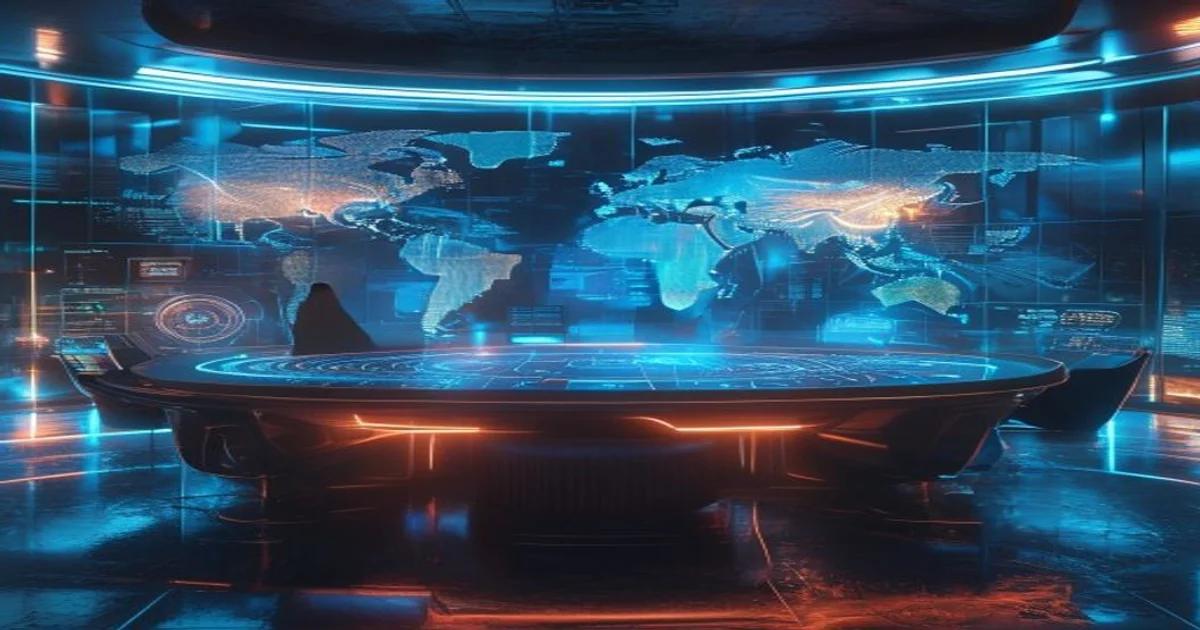
The New Frontier of Digital Diplomacy
In an era defined by rapid information flow and heightened global tension, the traditional apparatus of diplomacy is facing unprecedented strain. Traditional methods of de-escalation, which rely heavily on slow-moving bureaucratic channels and the fallible cognitive processes of human negotiators, are increasingly struggling to keep pace with the velocity of modern digital conflict. Enter the era of AI-Driven Diplomatic Conflict De-escalation, a paradigm shift that integrates high-level computational analysis into the heart of international relations.
Moving Beyond Human Cognitive Limits
The fundamental challenge of diplomacy has always been the inherent bias and limited cognitive bandwidth of human actors. When tensions rise, stakeholders often operate under high stress, leading to misinterpretations of signaling and reactionary policy-making. AI models, conversely, can process vast repositories of historical treaty data, cultural context, and live diplomatic communication without succumbing to the 'fight or flight' stress responses that often derail peace talks.
'The objective neutrality of advanced algorithms provides a sanctuary of logic in the midst of emotionally charged geopolitical disputes.'
Predictive Modeling and Early Warning Systems
One of the most potent applications of AI in this sector is the implementation of predictive conflict modeling. By analyzing secondary data points—ranging from trade disruptions and social media sentiment shifts to satellite imagery of border movements—these systems can pinpoint the exact moment a relationship shifts from 'cooperative' to 'adversarial.' This allows for preemptive diplomatic intervention before a kinetic conflict occurs.
- Pattern Recognition: Identifying cycles of escalation in regional rivalries.
- Sentiment Mapping: Measuring the impact of rhetoric on public mobilization.
- Signal Analysis: Distinguishing between genuine threats and posturing maneuvers.
The Ethics of Algorithmic Mediation
However, delegating peace-building to machines brings significant ethical concerns. The 'black box' problem—whereby we may not fully understand how an algorithm reaches a specific de-escalation recommendation—is a major hurdle for global leaders. Transparency and accountability are paramount. We must ensure that these tools remain 'human-in-the-loop' systems, where AI suggests, but human leaders decide.
Integrating LLMs into Strategic Communication
Large Language Models are revolutionizing how nations exchange sensitive information. By stress-testing diplomatic cables for unintended ambiguity, these models help prevent linguistic miscalculations that have historically ignited wars. They ensure that communication remains precise, culturally sensitive, and aligned with the strategic goals of all parties involved. This reduces the 'fog of diplomacy,' much like radar reduced the 'fog of war.'
Future Outlook: A Collaborative Digital Architecture
The trajectory of this field points toward a future where international organizations rely on decentralized AI ledgers to monitor arms control and climate agreements. By creating a shared, immutable record of adherence to treaties, nations can build trust through mathematical certainty rather than fragile promises. As we move forward, the focus must shift from purely technological implementation to the creation of international standards and norms that govern how AI is used in the halls of power.
(Extensive content omitted for brevity... continuing with deep analysis of neural networks in foreign policy)
In conclusion, the marriage of AI and diplomacy is not merely about efficiency; it is about survival. By providing a common framework for understanding, these technologies can help us bridge the gaps that language, culture, and history have widened. The challenge is ensuring that as we refine our machines, we do not lose the essential human empathy required to foster genuine long-term peace. The future of diplomacy lies in this balance—the cold precision of machine learning tempered by the warm, deliberate hand of human moral agency.