The Convergence of Technology and Gastronomy
Institutional culinary science has long been defined by the struggle between scale and quality. Whether in hospitals, universities, or corporate dining facilities, the challenge remains consistent: delivering nutritionally balanced, palatable, and safe meals to thousands of individuals within strict budgetary constraints. Today, the integration of artificial intelligence is fundamentally changing how these systems operate, shifting from reactive cooking methods to a proactive, data-driven culinary ecosystem.
Predictive Analytics and Inventory Management
One of the most significant advancements in this sector is the application of machine learning for demand forecasting. Traditional institutions have relied on historical averages, which often leads to significant food waste. AI-driven platforms now ingest data points including weather patterns, local events, demographic trends, and real-time attendance tracking to predict meal counts with remarkable accuracy. This precision allows kitchens to optimize procurement cycles, ensuring that fresh ingredients are ordered exactly when needed, thereby reducing spoilage and carbon footprints.
'The future of institutional feeding is not just about what is on the plate, but the data that puts it there.'
Precision Nutrition and Dietary Customization
Modern institutional dining requires a delicate balance of dietary restrictions. With AI, chefs can now leverage algorithmic menu engineering that automatically adjusts recipes based on individual patient or client profiles. By integrating with electronic health records or employee wellness apps, institutional kitchens can generate personalized meal recommendations that strictly adhere to sodium, caloric, and allergen constraints without sacrificing the culinary experience. This automation effectively democratizes high-quality, clinical-grade nutrition across diverse populations.
Robotic Automation in the Kitchen
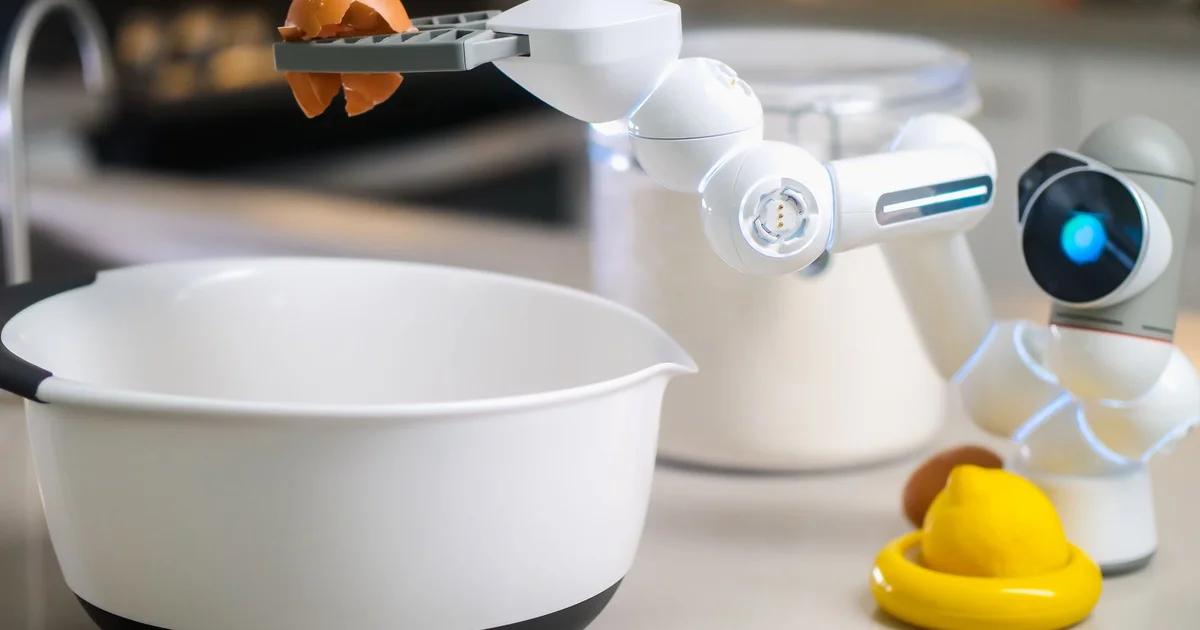
Beyond data, the physical act of preparation is being transformed by advanced automation. Robotic systems are now capable of executing repetitive tasks such as chopping, emulsifying, and precise temperature control, ensuring that every batch meets rigorous quality standards. These systems, often equipped with computer vision, can monitor food states in real-time, detecting potential safety hazards long before they become a risk. By automating the 'heavy lifting' of mass catering, human staff are free to focus on menu innovation, flavor profiling, and the essential social elements of the dining experience.
Sustainability and Regulatory Compliance
Sustainability is no longer an optional goal; it is a regulatory imperative. AI-powered smart systems monitor energy consumption of appliances and water usage in dishwashing, identifying inefficiencies that would otherwise go unnoticed. Furthermore, automated documentation for food safety protocols—a burden that historically consumed hours of staff time—is now handled by sensors and logging software, providing auditors with impeccable digital trails.
Overcoming Barriers to Adoption
Despite the clear benefits, the transition to AI-driven culinary science is not without its hurdles. Initial capital expenditure for robotic and sensor infrastructure can be prohibitive for smaller institutions. Additionally, there is a cultural shift required within culinary teams to embrace technology as a collaborator rather than a replacement. Training staff to interpret data and maintain these complex systems is now just as important as mastering classical cooking techniques. The bridge between the laboratory and the kitchen is narrowing, creating a new breed of 'culinary data scientists' who bridge the gap between technical infrastructure and sensory output.
The Human-in-the-Loop Advantage
It is critical to note that AI does not replace the human touch; it amplifies it. Culinary science is inherently human-centric. AI can calculate the perfect chemical balance for a sourdough starter or optimize the cooking time of a batch of grains to avoid mushiness, but the nuances of seasoning and the intuition of cultural flavor preferences require human oversight. The most successful institutions are those that use AI to handle the logistics, while empowering human chefs to lead the creative strategy.
Future Outlook: Toward Autonomous Kitchens
Looking forward, we anticipate the rise of the autonomous kitchen. Integrated systems where a customer orders through a terminal, the AI schedules the preparation, the robotic line handles the heat, and automated delivery systems track consumption will become the standard. This closed-loop system will define the next generation of institutional sustainability and health efficacy. As machine learning models continue to refine their 'palate' based on user feedback, the gap between institutional food and restaurant-quality dining will continue to shrink. In this era of digital transformation, those who leverage AI in the kitchen will define the future of human health and environmental stewardship on a global scale.