
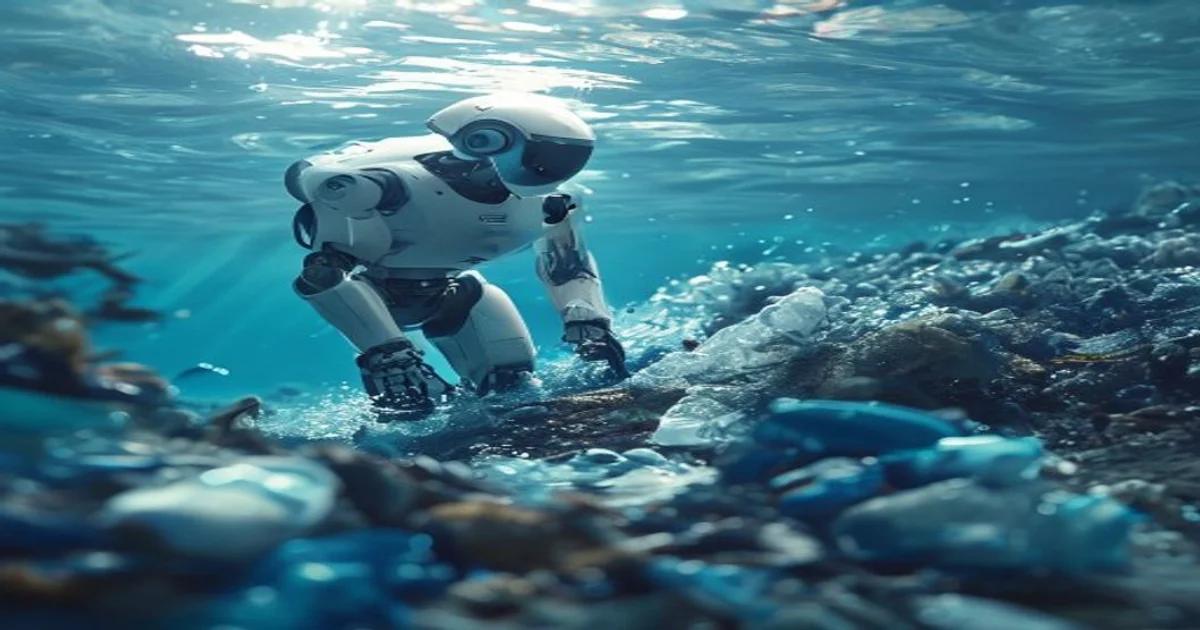
The Growing Crisis of Marine Pollution
The world's oceans are currently facing an existential threat from plastic pollution. Millions of tons of debris enter the marine environment annually, threatening marine life, destabilizing ecosystems, and contaminating the global food chain. Traditional cleanup methods, which often rely on manual labor or large-scale manned vessel operations, have proven insufficient against the sheer scale of the debris. However, a new paradigm is emerging: AI-driven marine debris recovery. By integrating advanced robotics with sophisticated machine learning models, engineers are developing autonomous systems capable of patrolling, identifying, and extracting waste with unprecedented precision.
Computer Vision and Real-Time Identification
The cornerstone of autonomous debris recovery is computer vision. Cameras mounted on surface drones and underwater autonomous vehicles (AUVs) capture high-resolution imagery of the water column. Through deep learning models, these systems are trained to distinguish between marine life, floating seaweed, and various types of plastic or microplastic waste.
'The ability to differentiate a jellyfish from a plastic bag at high speeds represents a massive leap forward in environmental robotics.'
By processing this data in real-time, the AI can command robotic arms or suction mechanisms to target specific debris, significantly reducing the incidental capture of biological material. This surgical approach ensures that the recovery process is as environmentally friendly as the goal itself.
Optimizing Recovery with Machine Learning
Beyond identification, AI plays a critical role in logistical optimization. Marine debris is rarely stationary; it moves according to complex currents, wind patterns, and tidal shifts. Using predictive algorithms, AI systems can process satellite telemetry and hydrodynamic data to forecast where debris patches will aggregate next. Instead of searching blindly, these autonomous fleets are deployed with strategic intent.
- Dynamic Route Planning: AI adjusts collection paths based on real-time current data.
- Energy Management: Systems prioritize high-density debris zones to optimize battery life.
- Collaborative Swarming: Multiple units coordinate actions to surround larger plastic aggregations.
The Role of Autonomous Robotics
The physical extraction of debris requires robust, reliable hardware. Modern marine robots are being designed with biomimicry in mind, allowing them to traverse rough waters while maintaining stability. These robots utilize edge computing, meaning they process data locally on the device rather than relying on constant satellite connectivity. This ensures that even in the most remote areas of the Pacific, the AI remains operational and effective.
Challenges and Future Outlook
Despite the promise of AI-driven recovery, significant hurdles remain. Harsh saltwater environments degrade sensitive electronic components, and the sheer vastness of the ocean makes complete coverage an immense challenge. Furthermore, the development of these systems must be balanced with international maritime law and ethical considerations regarding the impact on deep-sea habitats.
However, the trajectory is clear. As AI chips become more efficient and robotic hardware becomes more durable, the cost of deployment will plummet. We are moving toward a future where a persistent, automated presence in our oceans will be the norm, acting as a constant digital custodian of the marine environment. The integration of AI is not just a technological upgrade; it is an essential component of a global strategy to secure our aquatic future.