The Convergence of Deep Learning and Underwater Preservation
Maritime archaeology has long been defined by the harsh realities of the ocean. The deep sea is an unforgiving environment, characterized by extreme pressure, darkness, and logistical nightmares that make manual site preservation nearly impossible. However, the integration of AI-driven technologies is fundamentally altering our relationship with history beneath the waves. By leveraging sophisticated computer vision and autonomous robotics, researchers can now document, analyze, and preserve sunken heritage with unprecedented precision.
The Role of Autonomous Underwater Vehicles (AUVs)
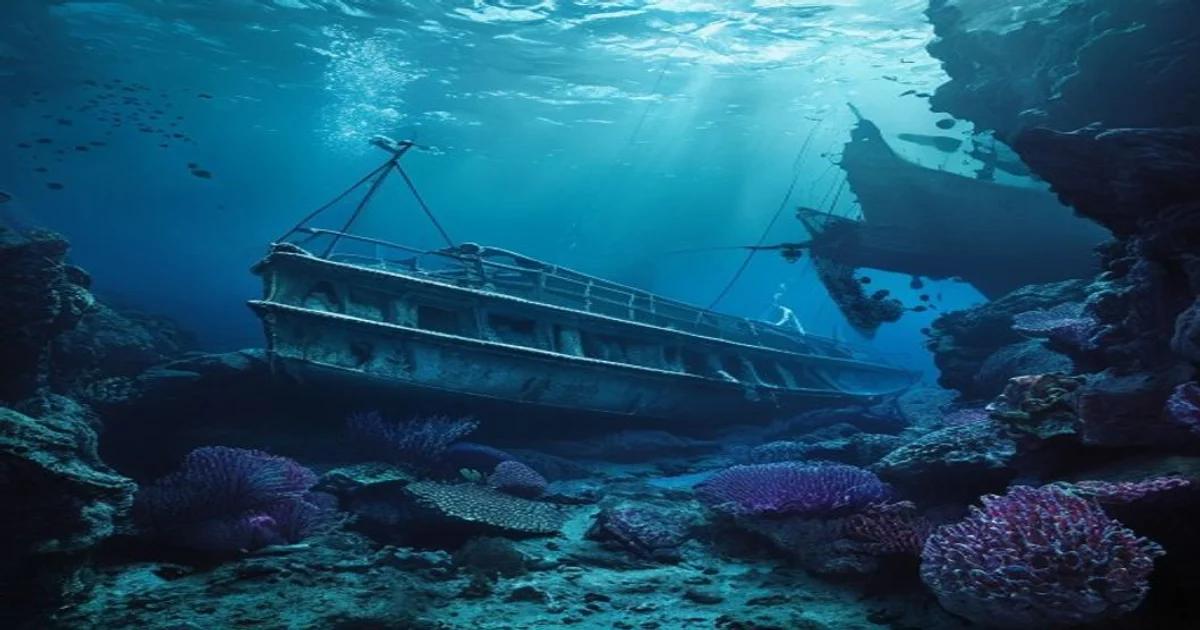
The modern maritime archaeologist is increasingly reliant on AUVs equipped with advanced sensor suites. Unlike traditional diver-led expeditions, these autonomous systems operate for extended periods without human intervention. They employ Machine Learning models to navigate complex environments, such as shipwrecks embedded in coral reefs or scattered across jagged oceanic trenches. These bots use high-resolution sonar and stereoscopic cameras to build 'Digital Twins' of sites, allowing for long-term monitoring of structural integrity.
'The ocean is the worlds largest museum, and AI is the key to unlocking its secrets without disturbing the delicate balance of deep-sea ecosystems.'
Digital Reconstruction and Pattern Recognition
One of the most profound applications of AI in this field is the automation of photogrammetric processing. In the past, manually stitching together thousands of underwater photographs to create a 3D model could take months of labor. Modern algorithms can process this data in real-time. By utilizing Convolutional Neural Networks (CNNs), the software identifies individual artifact types, from amphorae to wooden hull fragments, classifying them with statistically significant accuracy. This allows archaeologists to spend their time analyzing the historical context rather than performing repetitive image alignment tasks.
Ensuring Ethical Restoration and Site Protection
As we gain better access to these sites, the question of site integrity becomes paramount. AI plays a dual role: it provides the data for restoration while also flagging potential looting or environmental threats. Through predictive modeling, we can forecast how currents or chemical composition changes in the ocean will affect the structural stability of wood or iron over the next decade. This 'Innovation' in predictive analytics ensures that restoration efforts are prioritized for the sites most at risk of immediate collapse.
Advancing Public Engagement Through AI
Beyond the scientific benefits, the restoration of these sites has a significant cultural component. AI-generated models allow museums to provide immersive, virtual-reality experiences that allow the public to explore shipwrecks without ever visiting the ocean floor. This democratization of historical discovery fosters a greater sense of stewardship for our maritime past. The technology essentially bridges the gap between deep-sea exploration and global accessibility.
Challenges and Future Horizons
Despite the clear advantages, the field faces significant hurdles. Underwater communication is notoriously difficult; signals struggle to propagate through salt water, limiting the bandwidth for real-time data streaming from deep-sea sensors. Future developments in AI chips optimized for edge computing—allowing the AUV to make complex, on-board decisions without needing to communicate with a base station—are currently under intensive development.
Furthermore, the training data for these models is still somewhat limited. Most existing datasets are focused on Mediterranean wrecks, leaving a gap in our ability to apply the same models to sites in the Pacific or the Atlantic. As we cultivate more diverse datasets and improve the robustness of our algorithms, we will see a rapid expansion in the scalability of these maritime restoration projects.
Conclusion: The Future is Submerged
We stand at the precipice of a new era in maritime history. By harmonizing robotics with cutting-edge software, we are ensuring that the stories of our ancestors, long held captive by the depths, are preserved for future generations. This is not merely about finding treasure; it is about utilizing the best tools of our generation to respect and understand the civilizations that came before us. The marriage of silicon and salt water is, perhaps, the most important partnership in modern history.