
The Convergence of Intelligence and Ecology
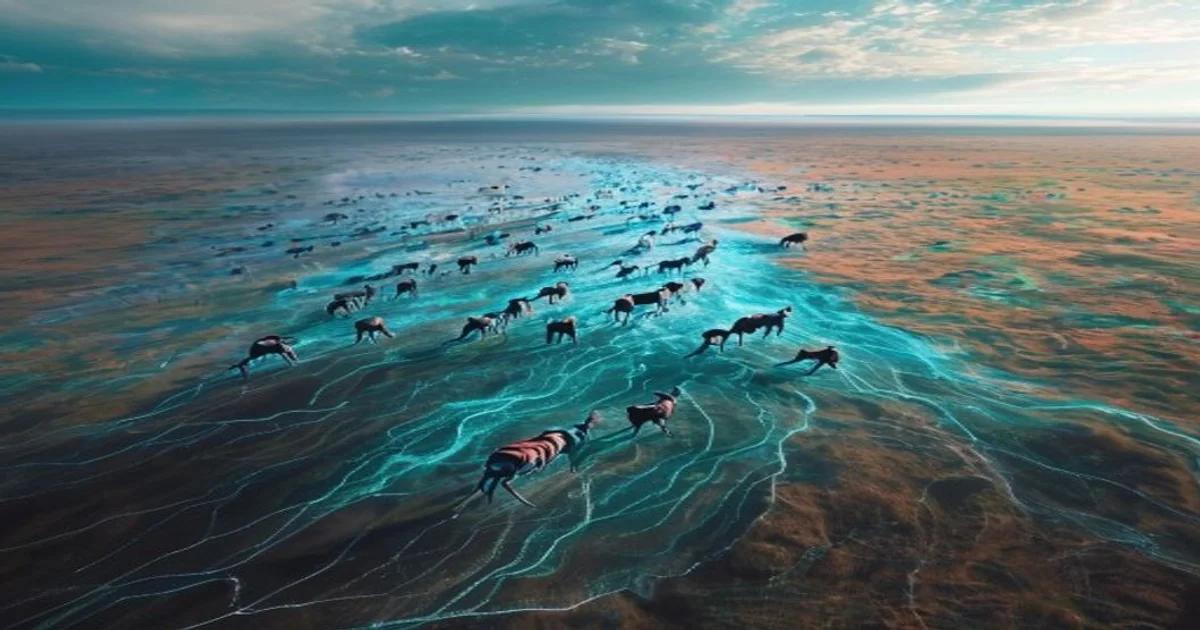
Nature is defined by movement. From the massive annual trek of the Serengeti wildebeest to the delicate flight paths of monarch butterflies, migratory patterns are the heartbeat of our planet\'s biodiversity. However, these paths are increasingly fragmented by infrastructure, climate change, and habitat loss. Today, AI-driven migratory path conservation is stepping in as the ultimate guardian, using advanced algorithms to ensure these ancient journeys continue uninterrupted.
The Data Science Revolution in Wildlife Tracking
Historically, tracking animals required laborious physical tagging and manual observation. Data sets were sparse, often outdated, and disconnected. The introduction of Machine Learning has fundamentally altered this paradigm. By aggregating petabytes of data from remote sensors, GPS collars, and satellite imagery, researchers can now construct high-resolution models of animal movement.
- Predictive Modeling: Algorithms analyze historical climate and vegetation data to forecast when and where herds will move, allowing for proactive protection measures.
- Computer Vision: Camera traps equipped with deep learning now identify individual species and even specific animals in real-time, feeding live streams of data back to conservation headquarters.
- Resource Allocation: Artificial intelligence helps stakeholders identify the most critical 'bottleneck' zones—narrow passages where migratory health is most at risk.
'The integration of predictive analytics into field biology is not just an incremental improvement; it is a fundamental shift in how we perceive the needs of nomadic species,' notes a lead environmental data scientist.
Mapping the Invisible Corridors
Conservationists face the daunting task of defining boundaries for animals that do not acknowledge national borders. AI tools allow for the creation of dynamic, fluid maps that adapt to environmental changes. Unlike static maps of the past, these AI-generated corridors account for urban expansion, drought patterns, and shifting seasonal temperatures.
When these corridors are digitized, they become policy tools. Governments can integrate these AI outputs into regional development plans, ensuring that highways and fences do not bifurcate essential ecological routes. This is the essence of Innovation in the 21st century: using silicon and code to protect the wild.
Mitigating Human-Wildlife Conflict
As corridors disappear, wildlife is forced into human-inhabited territories, leading to dangerous conflicts. AI provides an 'early warning system.' By analyzing the proximity of elephants, tigers, or wolves to village peripheries, smart systems can trigger automated deterrents—such as localized sound barriers or lighting—or alert local authorities before a confrontation occurs. This proactive approach saves both human livelihoods and endangered species.
Future-Proofing Biodiversity
Looking ahead, the synergy between global research networks and localized AI agents will be critical. The deployment of low-power, AI-enabled sensors in remote wilderness areas allows for the collection of acoustic data—identifying species by sound—even in dense jungles where visual tracking fails. As we move deeper into this decade, the role of autonomous monitoring will only expand, creating a 'global nervous system' for migratory species.
Furthermore, the application of Data Science to migration allows for the identification of climate-refugia: areas that remain habitable even as global temperatures rise. By protecting these future habitats now, we provide wildlife with the necessary pathways to adapt to a changing planet. The marriage of technology and conservation is no longer a luxury; it is a necessity for maintaining the delicate balance of our ecosystem.
Challenges and Ethical Considerations
While the potential is immense, we must remain vigilant regarding the ethics of data collection. Privacy of indigenous communities, data security against poachers, and the potential for over-reliance on technology are all valid concerns. True success will require a hybrid approach: local traditional knowledge paired with high-tech computational prowess.
We are building a future where humanity acts not just as the encroacher, but as the shepherd of these ancient pathways. By leveraging the power of modern computation, we can move from reactive mitigation to visionary stewardship, ensuring that the great migrations of the world continue for generations to come.