
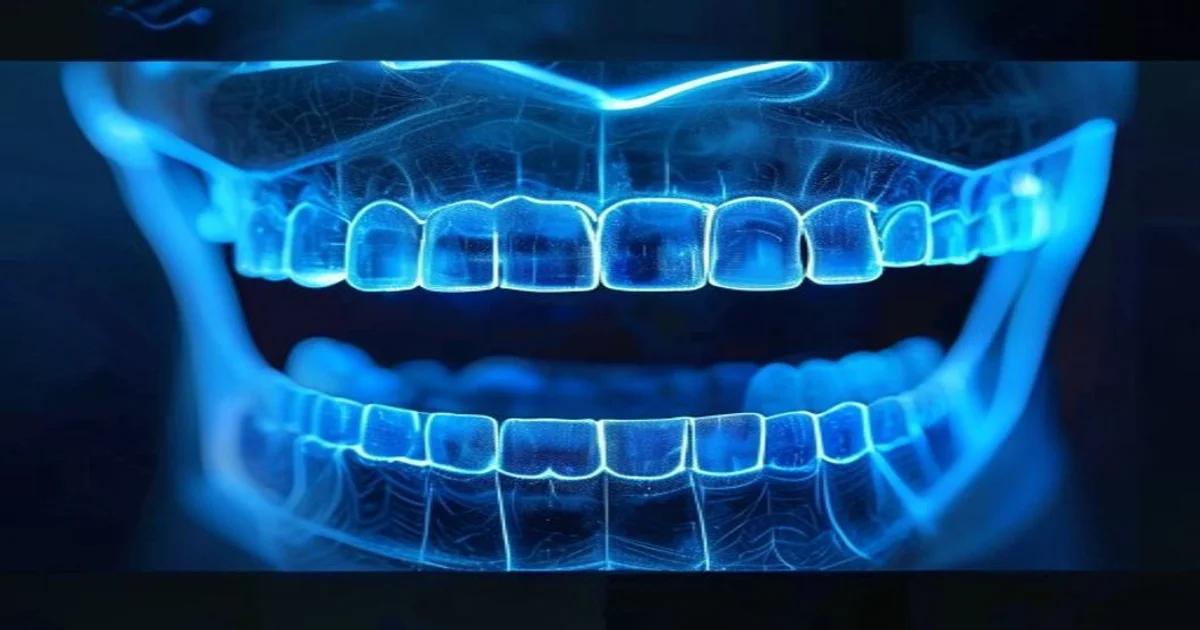
The Paradigm Shift in Orthodontics
Orthodontics has long relied on the intuition and experience of practitioners to map out the complex physiological movements of teeth. However, the integration of artificial intelligence is fundamentally altering this landscape. By leveraging sophisticated algorithms, clinicians can now transition from subjective planning to evidence-based, data-driven strategies. This shift represents a massive leap forward in digital transformation, where clinical outcomes are no longer just guessed—they are simulated with near-perfect precision.
The Role of Machine Learning in Treatment Simulation
At the core of modern orthodontic planning is the ability to predict how bone and tissue will respond to force. Machine learning models, trained on millions of patient cases, now allow software platforms to predict tooth trajectory with unprecedented accuracy. These systems process 3D intraoral scans to identify potential collisions, root resorption risks, and bone density limitations before the first bracket is ever placed or the first aligner is manufactured.
'AI does not replace the orthodontist; it provides the orthodontist with a panoramic view of potential biological outcomes, allowing for proactive, rather than reactive, patient care.'
Automated Cephalometric Analysis
Traditionally, cephalometric tracing was a time-consuming manual task prone to human error. Today, AI-powered diagnostic tools can perform these analyses in mere seconds. These systems automatically landmark anatomical points on radiographs, providing clinicians with instant reports on skeletal discrepancies, growth patterns, and airway health. This automation allows doctors to spend more time discussing treatment goals with patients and less time laboring over manual tracing.
Optimizing the Aligners Workflow
Clear aligner therapy has been the biggest beneficiary of AI integration. By automating the staging of tooth movements, software can calculate the optimal sequence of forces required to move teeth into their ideal positions. This minimizes the risk of 'tracking' issues, where the aligner fails to perfectly engage with the tooth, a common bottleneck in traditional workflows.
Predictive Modeling for Patient Compliance
One of the most significant challenges in orthodontics is patient compliance. Newer AI-driven systems are beginning to incorporate behavioral modeling to predict how a patient's usage patterns might affect their treatment timeline. By analyzing historical data from thousands of users, these models offer dynamic updates to treatment plans, effectively adjusting the expected completion date in real-time based on how consistently the patient wears their devices.
Future Horizons: Beyond Static Planning
As we look to the future, the integration of AI with smart systems will move beyond just planning. We are entering an era of predictive orthodontics where hardware, such as smart retainers and sensors, will feed data back into the treatment plan. This creates a continuous feedback loop between the patient and the clinician.
- Real-time monitoring of force application
- Automated alerts for clinical intervention
- Continuous adjustment of treatment goals
- Integration with longitudinal health records
The Ethics of AI in Healthcare
While the benefits are clear, the industry must remain vigilant regarding the ethical implications of using AI in patient care. Data privacy, algorithm bias, and the transparency of 'black box' decision-making processes are critical topics that orthodontists must understand. Ensuring that human oversight remains the primary gatekeeper of treatment decisions is essential to maintaining the trust and safety that dentistry demands. Clinicians should view AI as a powerful assistant—an advanced tool that requires high levels of clinical literacy to wield effectively.
Challenges and Implementation Strategies
Adopting these advanced systems is not without hurdles. Practices must contend with the cost of hardware, the learning curve associated with new software, and the necessity of data security. However, the long-term ROI is found in increased operational efficiency, reduced overhead costs, and higher patient satisfaction scores. Successful implementation requires a phased approach: start by digitizing the records, move toward automated diagnostic aids, and finally integrate full-suite predictive treatment planning platforms.
By embracing this digital shift, orthodontic practices can distinguish themselves as leaders in a high-tech field. As AI becomes more accessible, the barrier to entry for smaller practices will decrease, potentially leading to a broader standardization of high-quality orthodontic care across the globe. We are not just witnessing a change in tools; we are witnessing the evolution of the orthodontic profession itself.