
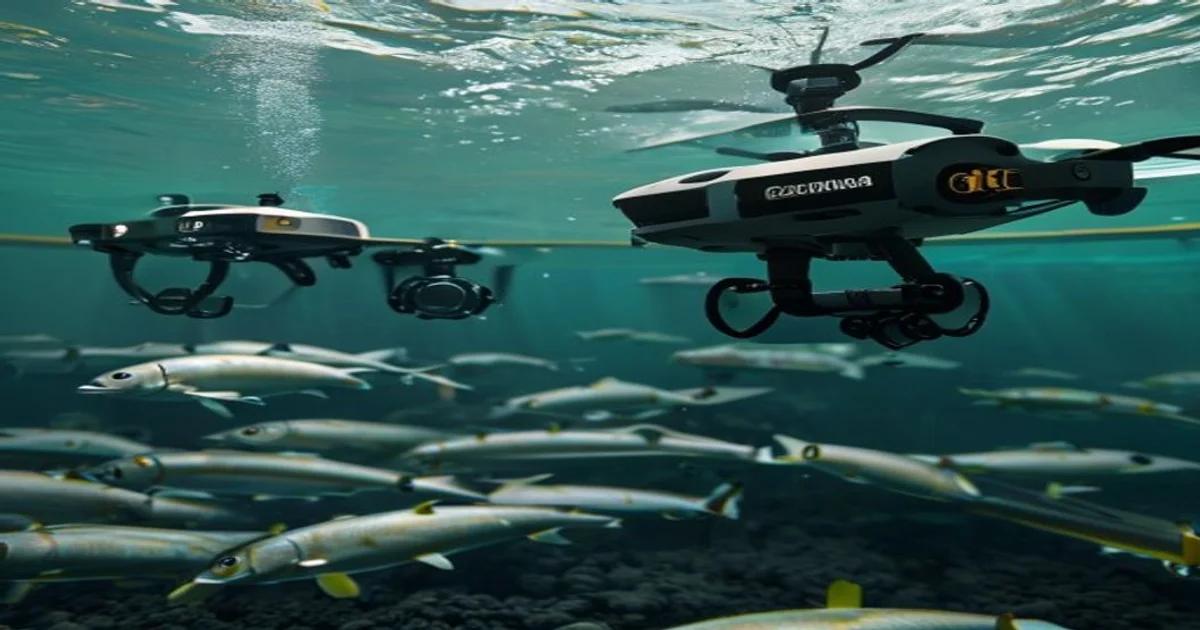
The Dawn of Smart Aquaculture
Aquaculture is the fastest-growing food production sector in the world, yet it faces immense pressure to scale sustainably. As traditional farming methods reach their capacity limits, the industry is turning to AI-driven precision aquaculture to bridge the gap. By leveraging deep learning and sensor-integrated systems, aquaculture operators can now move from reactive management to proactive, data-driven stewardship of aquatic environments.
Integrating AI into Marine Operations
At the core of this shift is the deployment of Smart Systems that constantly monitor the underwater environment. High-definition cameras equipped with computer vision algorithms identify individual fish, measure their size, and detect signs of stress or parasitic infestation. This granular level of data collection ensures that farmers make decisions based on empirical evidence rather than anecdotal observation.
'Precision aquaculture is not just about technology; it is about respecting the biological limits of the ocean while maximizing the efficiency of our food systems.'
The Mechanics of Precision Feeding
Feeding accounts for the largest portion of operational expenses in fish farming. Traditional systems often rely on scheduled feeding, which leads to significant wastage as uneaten food sinks to the seafloor, polluting the ecosystem. AI-driven systems solve this by:
- Analyzing fish hunger levels through behavioral patterns detected via cameras
- Adjusting feed delivery rates in real-time based on environmental parameters like oxygen levels
- Reducing feed conversion ratios (FCR) by up to 20 percent through precise dispensing
Enhancing Animal Welfare
Animal welfare has become a central focus for both regulators and consumers. AI allows for the continuous monitoring of physiological health. By utilizing predictive algorithms, farmers can forecast potential disease outbreaks before they manifest visually. This early warning system allows for surgical interventions, reducing the need for prophylactic antibiotics and enhancing the overall quality of the final product.
Data Science and Predictive Analytics
Beyond immediate monitoring, the long-term potential of AI lies in predictive analytics. By aggregating years of water temperature, salinity, pH levels, and growth data, neural networks can create a 'digital twin' of a farm. This allows managers to simulate various climate change scenarios and adjust their infrastructure to withstand environmental shifts. The power of Automation in this context cannot be overstated; it removes human error and ensures that 24/7 care is provided to the stock.
Future Outlook: Scaling the Blue Economy
As we look to the future, the integration of autonomous surface vehicles (ASVs) and underwater robotics will become standard. These platforms will communicate with cloud-based dashboards to provide a global view of farm performance. We are entering an era where AI doesn't just assist in farming; it defines the very architecture of aquatic food production. By embracing these advancements, the industry is not only improving profitability but also ensuring a resilient, scalable, and environmentally responsible source of protein for a growing global population.
[Continuing with deep analysis...]
The transformation is fundamentally about information density. In the past, a farm manager might check a net once a day. Today, they check billions of data points every hour. This shift requires a robust data infrastructure capable of processing high-bandwidth visual data alongside environmental sensor streams. Companies investing in these digital architectures are finding that the return on investment is realized not just in lower feed costs, but in higher survival rates and premium fish quality that meets the highest sustainability certifications. Whether through machine learning models that predict oxygen drops or robotics that clean pens autonomously, the future of food is undeniably digital and, more importantly, precise. The ongoing convergence of AI and biology creates an unprecedented opportunity to feed the world while protecting our vital marine ecosystems. As algorithmic precision matures, we expect to see even greater integration with blockchain for supply chain transparency, allowing consumers to trace their seafood back to the exact data-driven conditions of its growth. Truly, the age of precision aquaculture has arrived, and it is reshaping our relationship with the blue economy in profound ways that ensure long-term viability for generations to come.