
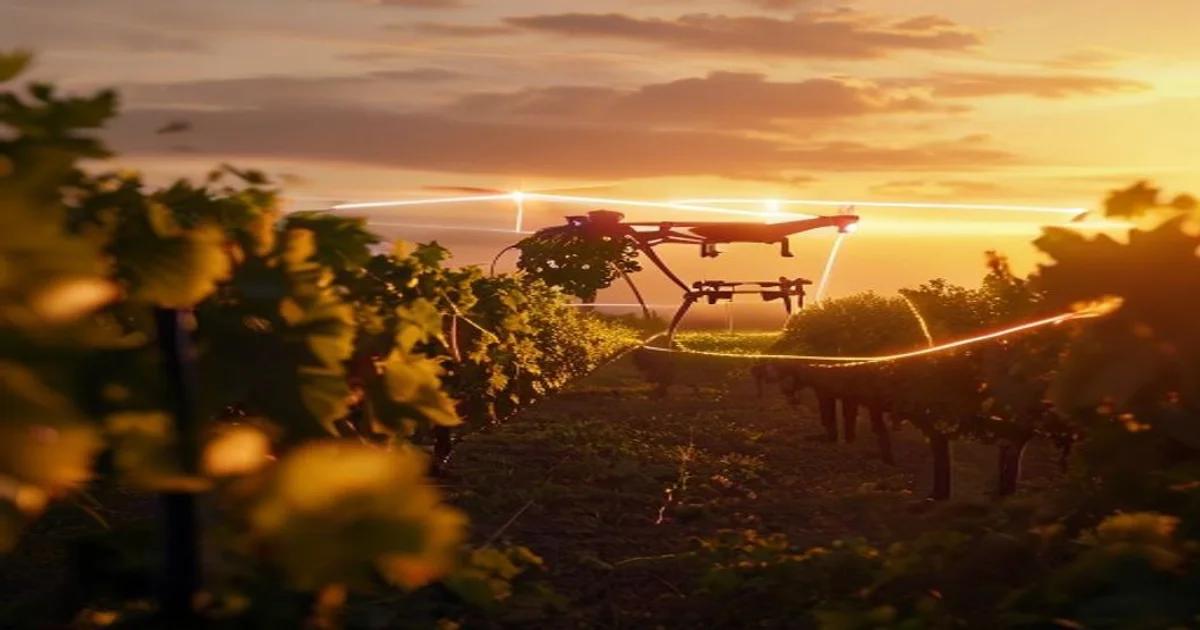
The Convergence of Agriculture and Advanced Intelligence
The traditional landscape of viticulture is undergoing a profound transformation. For centuries, winemaking was an art form governed by intuition, seasonal rhythms, and empirical observation passed down through generations. Today, that legacy is being augmented by the precision of artificial intelligence. AI-driven precision viticulture represents the integration of high-resolution sensors, autonomous robotics, and sophisticated machine learning algorithms to manage every vine as an individual unit rather than treating the entire vineyard as a homogeneous field.
Mapping the Vineyard with Deep Learning
The foundation of modern precision viticulture lies in the acquisition and analysis of spatial data. Through the use of satellite imagery, fixed ground sensors, and unmanned aerial vehicles (UAVs), growers can now generate 'digital twins' of their vineyards. These datasets are processed using deep learning architectures that detect subtle variations in chlorophyll fluorescence, leaf temperature, and soil moisture levels.
- Vegetation Indices: Tracking Normalized Difference Vegetation Index (NDVI) values to monitor photosynthetic activity.
- Stress Detection: Identifying water-stressed vines before visible wilting occurs.
- Canopy Architecture: Optimizing sunlight exposure for uniform grape ripening.
As noted by leading agricultural technologists, 'The ability to perceive the physiological state of a vine before human eyes can detect it is the ultimate competitive advantage in premium wine production.' By training neural networks on multi-spectral imagery, AI systems can distinguish between nutrient deficiencies and fungal infections with unprecedented precision.
Automating the Vineyard Ecosystem
Beyond monitoring, automation is the engine driving labor efficiency. In many parts of the world, labor shortages and rising costs pose existential threats to vineyard viability. AI-driven robotics offer a sustainable path forward. Autonomous tractors equipped with LiDAR and computer vision navigate through vine rows, performing tasks such as mechanical pruning, leaf pulling, and targeted spraying of organic fertilizers.
'Automation in viticulture is not merely about replacing human labor; it is about extending the reach of human expertise to a scale that was previously impossible to manage effectively.'
Precision Spraying and Resource Management
One of the most significant environmental and economic benefits of AI in viticulture is the transition from broad-spectrum application to targeted intervention. Traditional vineyard management often involves blanket spraying of pesticides or fungicides. AI-enabled sprayers use real-time image recognition to identify specific targets, spraying only the affected clusters. This leads to:
- A reduction in chemical usage by up to 60 percent.
- Minimization of soil runoff and ecosystem contamination.
- Lower overhead costs associated with expensive agricultural inputs.
- Improved compliance with increasingly stringent environmental regulations.
Predictive Analytics and Climate Resilience
Climate change presents a volatile future for viticulture. Changing precipitation patterns, unpredictable frost events, and shifting temperature averages are forcing producers to adapt or perish. AI systems serve as a defensive buffer against these variables. By integrating historical weather data with real-time climate inputs, predictive algorithms can forecast micro-climate shifts at the block level.
The Future of Harvest Optimization
The harvest is the climax of the viticultural calendar. Timing is everything; a difference of 48 hours can result in a significant shift in sugar-to-acid ratios. AI models synthesize berry sampling data, sugar accumulation rates, and historical weather patterns to pinpoint the exact moment of peak flavor intensity. This 'optimal harvest window' ensures that wineries can produce consistent vintages even as environmental conditions become more erratic.
Managing Soil Health and Biodiversity
Precision viticulture is also becoming a tool for ecological restoration. By mapping soil nitrogen and carbon sequestration levels, growers can tailor cover crop planting strategies to enhance soil biodiversity. Machine learning systems analyze the correlation between specific ground covers and vine performance, allowing for a regenerative approach to viticulture that improves the long-term health of the vineyard land.
Overcoming Barriers to Adoption
Despite the clear advantages, the path to fully AI-optimized viticulture is not without its hurdles. High upfront capital costs for sensor arrays and robotics can discourage smaller family-run vineyards. Furthermore, the need for data literacy and technical support remains a significant barrier for legacy producers. As the ecosystem matures, however, we are seeing the emergence of 'Viticulture-as-a-Service' models, where hardware and software are leased, effectively lowering the barrier to entry.
The Human Element in the Age of AI
There is a philosophical concern regarding the role of the winemaker in an AI-dominated environment. Will the soul of the wine be lost to the cold calculation of an algorithm? On the contrary, proponents argue that by offloading the repetitive, data-intensive aspects of farm management, winemakers are free to focus on the creative aspects of their craft—blending, aging, and branding. The AI acts as a sophisticated assistant that provides the necessary context for human decision-making, rather than replacing the winemaker's expertise.
Conclusion: A New Era of Terroir
The marriage of artificial intelligence and viticulture is creating a new era of 'precision terroir.' By controlling variables with scientific rigor, producers are not stripping the character from the land, but rather allowing that character to express itself more clearly. As we move toward a future defined by smart systems and hyper-connected farms, the wine industry stands as a leading example of how traditional practices can evolve through the thoughtful application of innovation. The result is a more resilient, efficient, and higher-quality wine industry that respects both the land and the consumer.