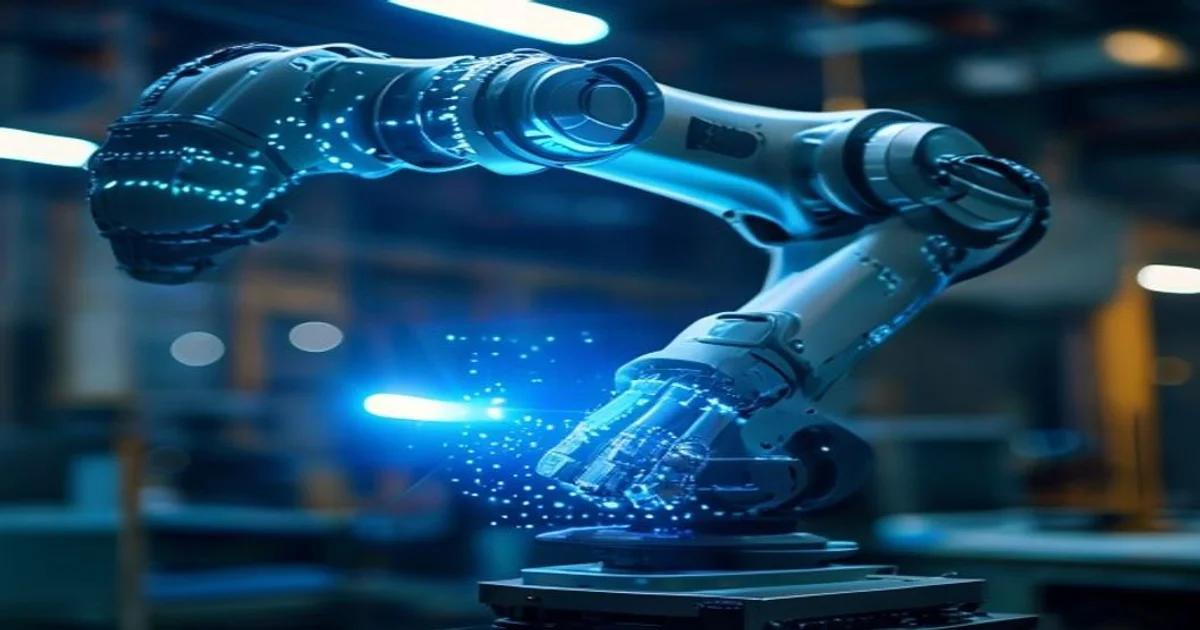
The Shift Toward Intelligent Asset Management
In the modern manufacturing landscape, the margin for error is razor-thin. The traditional approach of reactive maintenance—fixing equipment only after it fails—is rapidly becoming an obsolete strategy that bleeds capital and halts productivity. AI-driven predictive maintenance represents a fundamental shift in how organizations manage their physical assets. By leveraging historical data and real-time sensory inputs, enterprises can now forecast mechanical failures with high precision.
The Core Architecture of Predictive Systems
At its heart, predictive maintenance relies on a synergy of Internet of Things (IoT) sensors and sophisticated Machine Learning models. These systems ingest vast streams of data, including acoustics, thermal gradients, motor current signatures, and vibrational resonance. When a machine begins to deviate from its 'golden profile'—the set of metrics identifying perfect health—the algorithm triggers an alert.
The goal is not just to predict a failure, but to understand the root cause before a single bolt shears.
Deep Learning Models and Pattern Recognition
Unlike traditional threshold-based alarms, modern systems use Deep Learning to recognize patterns that human operators often miss. For instance, a subtle shift in the harmonic frequency of a spindle can indicate bearing wear long before the noise becomes audible. By employing recursive neural networks, software platforms can distinguish between standard operational noise and genuine signs of degradation.
- Data Acquisition: Continuous streams from high-frequency sensors.
- Feature Engineering: Extracting relevant variables such as kurtosis and skewness.
- Anomaly Detection: Using autoencoders to flag non-standard performance signatures.
- Prognostics: Calculating the Remaining Useful Life (RUL) of the component.
Economic Impact and ROI
Adopting an AI-first strategy is not merely a technological upgrade; it is a financial imperative. Reducing downtime by even a small percentage translates to millions in bottom-line improvements for large-scale operations. Furthermore, inventory management is streamlined as replacement parts are ordered based on need rather than arbitrary schedules. This 'just-in-time' maintenance philosophy minimizes carrying costs while ensuring that essential components are always on hand when a predicted failure nears.
Overcoming Barriers to Implementation
While the benefits are clear, integration remains a hurdle. Data silos are the primary enemy of predictive analytics. For a system to be truly effective, it must be fed clean, historical data from various stages of the machine life cycle. Enterprises must invest in robust data architectures that allow for seamless communication between legacy programmable logic controllers (PLCs) and cloud-based analytical engines.
The Role of Cybersecurity
With increased connectivity comes increased risk. Industrial control systems are prime targets for cyber threats. Any initiative for predictive maintenance must be accompanied by stringent Cybersecurity protocols, ensuring that sensor data cannot be intercepted or manipulated to trigger false maintenance shutdowns or physical malfunctions.
Future Trends in Autonomous Maintenance
Looking ahead, we are moving toward the era of 'self-healing' industrial ecosystems. Future iterations of AI will likely integrate with automated procurement platforms, where a machine will detect its own imminent failure, check the budget, place an order for the required part, and schedule an autonomous maintenance bot or a technician for the exact slot where impact on production is minimized.
Conclusion
The transition to AI-driven predictive maintenance is an inevitable progression for any firm seeking to remain competitive in the global market. While the initial investment in sensors, software, and talent may appear daunting, the long-term payoff—operational resilience, extended asset life, and unparalleled efficiency—is worth the effort. By embracing these intelligent systems, manufacturers are moving away from the chaos of repair and toward a future defined by precision and foresight.