
The New Frontier of Conservation Biology
Artificial Intelligence is no longer confined to the realms of finance and healthcare. In the heart of the wild, a silent revolution is taking place. AI-driven predictive wildlife migration models are providing researchers and conservationists with tools that were once considered the realm of science fiction. By synthesizing vast datasets from satellite imagery, climate sensors, and GPS-collared tracking devices, these sophisticated systems allow us to forecast the movement of species with unprecedented accuracy.
How Machine Learning Predicts Migration
Traditional methods of tracking wildlife often rely on static snapshots—a collar here, a camera trap there. However, the integration of Deep Learning and neural networks allows for a dynamic understanding of ecological trends. These algorithms can analyze environmental variables such as temperature, rainfall, vegetation density, and human infrastructure development to determine the likelihood of migration paths being chosen or abandoned.
- Data Aggregation: Bringing together disparate sources of information.
- Pattern Recognition: Identifying subtle shifts in behavior before they become permanent.
- Climate Modeling: Forecasting how warming trends will alter food sources and stopover sites.
'Nature is in a state of constant flux, and for the first time, our monitoring technologies are agile enough to keep pace with these shifts,' says Dr. Aris Thorne, a lead researcher in ecological tech.
Protecting Vulnerable Species from Human Encroachment
One of the most critical applications of these models is in the reduction of human-wildlife conflict. As cities expand, they often bisect ancient migration corridors. AI allows conservationists to provide urban planners with 'predictive maps' that indicate where development would be most catastrophic for migratory herds. By preemptively identifying these bottlenecks, local governments can implement wildlife bridges or protected buffer zones, ensuring that populations remain connected despite increasing urban pressure.
Curbing Illegal Poaching
In addition to protecting habitat, predictive analytics are a powerful weapon against poachers. By training algorithms on historical poaching data and animal migration patterns, rangers can receive real-time alerts about areas of high risk. If the AI detects a herd moving into a known dangerous zone, or identifies suspicious movement patterns in the vicinity, patrol units can be dispatched to that specific coordinate before an incident occurs.
The Role of Neural Networks in Ecosystem Health
Neural networks excel at identifying non-linear relationships within complex ecosystems. For example, a minor change in the flowering time of a specific plant due to an unusually wet season might trigger a massive shift in the migration timing of a pollinator species. AI models can detect these butterfly effects that would be invisible to the human eye, enabling conservationists to manage protected areas with a level of granular detail that ensures the survival of entire food chains.
Scaling the Tech for Global Impact
To scale this technology globally, we must address the challenge of data standardization. Currently, telemetry data is stored in proprietary formats across hundreds of different institutions. A centralized, AI-ready repository of global migration data would be the next logical step in this digital evolution. By treating wildlife data as a public asset, the global community can leverage LLMs and advanced analysis tools to gain a comprehensive picture of planetary biodiversity in real-time.
Challenges and Ethical Considerations
While the promise of AI in conservation is immense, we must remain cautious. There is a risk that the same predictive data used for good could, if falling into the wrong hands, be exploited by illegal wildlife traffickers. Consequently, the cybersecurity of these databases must be prioritized. Encryption and access controls are essential to ensure that sensitive GPS data regarding vulnerable animals is not broadcasted to bad actors. Furthermore, we must ensure that our reliance on algorithms does not replace the traditional ecological knowledge of indigenous peoples, who have observed these migration patterns for generations.
Future Prospects: The Autonomous Ranger
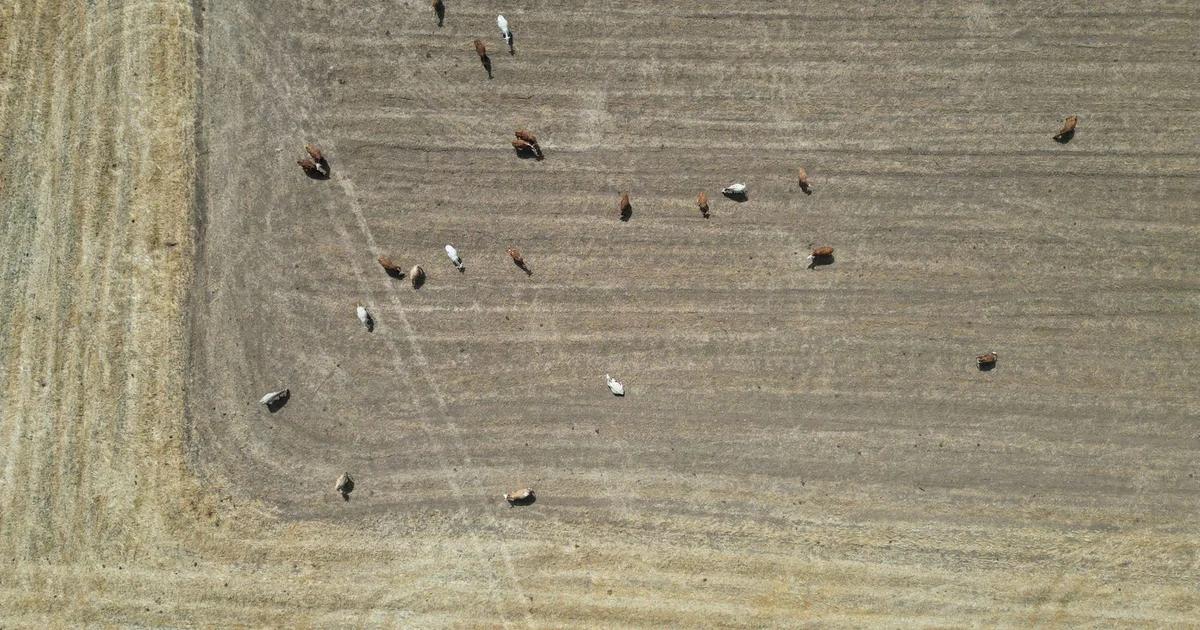
Looking toward the future, we foresee a world where autonomous drones integrated with AI cameras monitor migration in real-time without disturbing the animals. These systems could function as a digital 'shepherd,' guiding herds away from dangerous areas or toward cleaner water sources during droughts. This represents a fundamental shift from reactive conservation to proactive stewardship. As AI chips become more efficient and power-hungry processes are offloaded to edge computing, the feasibility of deploying these systems in remote wilderness regions increases, effectively turning the entire planet into a smart, monitored ecosystem.