
The Convergence of Intelligence and Infrastructure
Public transit accessibility has long been a complex puzzle for urban planners, often hindered by static infrastructure and rigid scheduling. However, the integration of Artificial Intelligence is shifting the paradigm toward dynamic, user-centric mobility. By leveraging vast datasets and real-time processing, city authorities are now capable of tailoring transit services to meet the nuanced needs of every citizen, regardless of their physical abilities.
Breaking Down Barriers with Computer Vision
One of the most significant advancements in transit accessibility is the deployment of computer vision technology. Modern transit hubs are increasingly utilizing deep learning algorithms to monitor pedestrian flow and identify individuals who may require additional time or assistance. These smart systems can:
- Automatically extend door-closing intervals for passengers using mobility aids.
- Provide real-time audio guidance via mobile applications for the visually impaired.
- Detect obstructions in pathways, triggering instant alerts to maintenance crews.
'AI is not just about automation; it is about empowerment. By sensing the environment in ways humans cannot, we create an invisible safety net that makes the world more navigable for those with disabilities.'
Adaptive Route Planning and Predictive Analytics
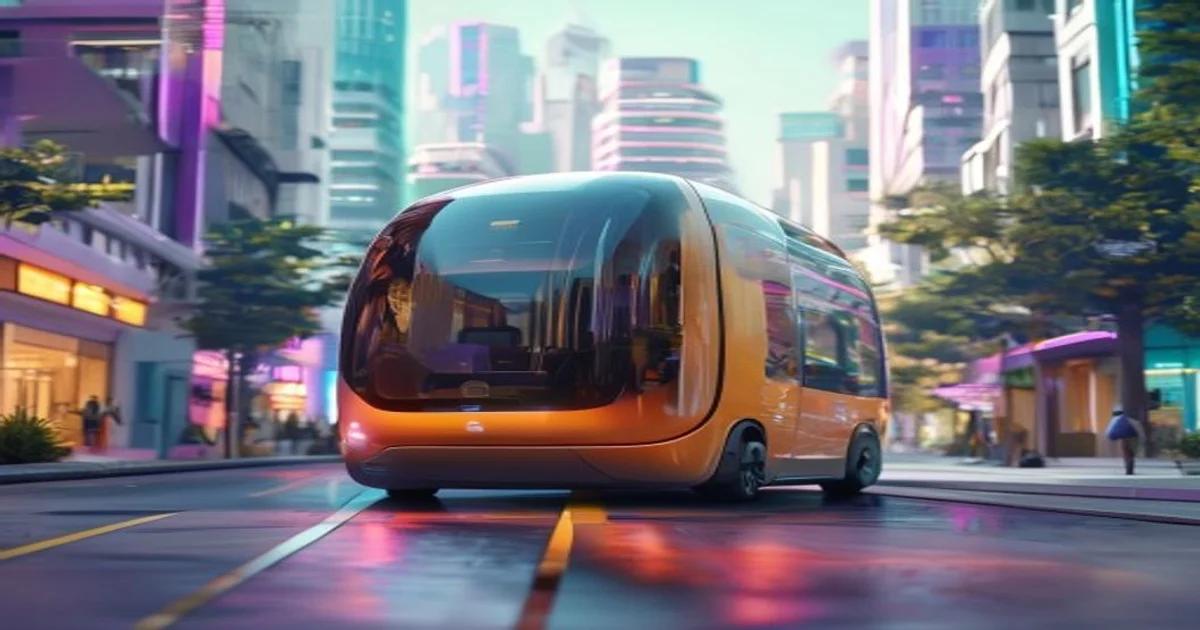
Traditional public transport follows fixed routes that often fail to account for the 'first-mile/last-mile' problem for people with limited mobility. AI-driven platforms are solving this by integrating multi-modal transit data. These systems utilize Machine Learning to predict passenger demand patterns and dynamically dispatch accessible autonomous shuttles to areas with high concentrations of transit-dependent residents. This ensures that underserved populations receive equitable access to economic opportunities and essential services.
The Human-Centric Interface of Future Transit
Accessibility is not merely physical; it is also cognitive. Complex transit maps and schedules can be overwhelming. AI-powered virtual assistants are now serving as intelligent concierges for travelers. These systems use natural language processing to understand specific user constraints—such as a need for elevator-only routes—and generate personalized, step-by-step navigation plans that update in real-time if a service disruption occurs.
Ensuring Data Privacy and Ethical Design
While the benefits are immense, the implementation of these technologies must prioritize ethical considerations. The collection of transit data must be handled with rigorous privacy standards, ensuring that personalized navigation tools do not compromise the identity of vulnerable users. Future-proofing these systems requires a commitment to transparency and inclusivity in the algorithmic design phase, ensuring that biases in historical data do not dictate current transit policies.
Scaling Innovation for a Global Impact
As we look toward the future, the global adoption of Smart Systems in public transportation will define the next generation of urban planning. Cities that invest in AI-driven accessibility frameworks are seeing measurable improvements in social equity. By creating an environment where transit systems respond to human needs rather than forcing humans to adapt to mechanical schedules, we are building a more connected, compassionate world.
Technical Challenges and Opportunities
The transition to an AI-augmented transit network is not without its technical hurdles. Integrating legacy hardware with modern cloud-based AI infrastructure requires significant investment. However, the return on investment is found in increased ridership, reduced operational costs, and the substantial social value created by enabling independence for millions of citizens.
- Interoperability: Ensuring that AI software from different vendors communicates seamlessly with existing transit hardware.
- Connectivity: Maintaining high-speed data links in underground transit systems and tunnels to support real-time AI processing.
- Inclusive Design: Involving people with disabilities in the development lifecycle to ensure AI solutions actually meet their needs.
Conclusion: The Path Forward
AI-driven public transit accessibility represents a fundamental shift in how we conceive of civic infrastructure. It is no longer enough for a bus or train to simply move between points; it must be an intelligent participant in the urban ecosystem. As advancements in deep learning continue to accelerate, the dream of a truly barrier-free transit system is rapidly becoming a reality, fostering greater independence and equity for all.