
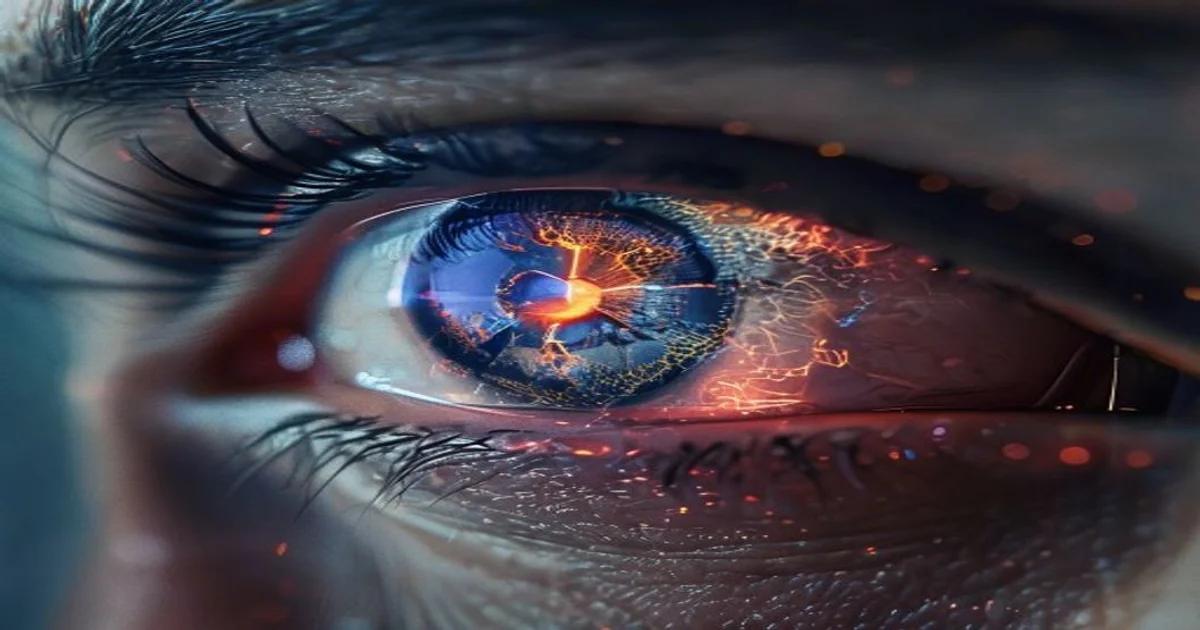
The Dawn of Synthetic Senses
Human sensory perception has remained stagnant for millennia, defined by the biological constraints of our eyes, ears, and tactile nerves. However, we are now entering an era where AI-driven sensory perception augmentation is rewriting the rules of human interaction with reality. By integrating machine learning algorithms with advanced sensor arrays, we are effectively expanding the spectrum of human awareness to encompass thermal imaging, ultrasonic detection, and high-frequency data streams.
The Architecture of Augmented Awareness
At the core of this transition lies the fusion of low-latency processing and neural interfaces. Unlike previous iterations of wearable technology, which focused on output, modern augmentation focuses on input enrichment. AI systems act as intermediaries, filtering the massive influx of raw environmental data and translating it into intuitive sensory cues that the brain can decode in real-time.
- Multimodal Data Fusion: Combining LiDAR, thermal optics, and acoustic sensors into a unified stream.
- Haptic Neural Feedback: Translating complex patterns into tactile sensations.
- Cognitive Load Optimization: Using AI to filter noise and emphasize critical situational data.
'The integration of AI into human perception is not merely about seeing more; it is about understanding more efficiently within a complex digital-physical environment.'
Transforming Industrial and Clinical Environments
In high-stakes industries, AI-driven sensory augmentation is already saving lives. Surgeons equipped with AI-enhanced headsets can perceive blood flow and tissue density beneath the surface of the skin in real-time. Similarly, industrial technicians are using sensory overlays to detect structural weaknesses or electrical anomalies before they lead to catastrophic failures. The ability to visualize invisible threats is no longer the domain of science fiction; it is a tangible aspect of the current industrial landscape.
The Role of Neural Networks
Deep learning models are the engine behind the interpretation of these sensory inputs. By training on vast datasets of environmental phenomena, these systems learn to identify patterns that are entirely imperceptible to humans. For example, a system might detect the subtle rhythmic vibrations of a machine that indicate an impending breakdown days before it occurs. The neural network then maps this insight into a visual or auditory notification, essentially giving the operator a 'sixth sense' for industrial maintenance.
Overcoming the Integration Hurdle
Despite the clear benefits, the path to mainstream adoption is fraught with technical and social challenges. The hardware must be lightweight, battery-efficient, and capable of operating at extremely low latency to avoid motion sickness or sensory confusion. Furthermore, the human brain requires time to adapt to these new streams of information. Research in neuroplasticity suggests that the human cortex is highly capable of 'learning' new senses, but the interface must be consistent and intuitive to prevent cognitive exhaustion.
Ethical Implications and Cognitive Sovereignty
As we begin to outsource aspects of our sensory processing to AI, questions of cognitive sovereignty become paramount. If an AI system filters our perception, who controls the filters? The potential for manipulation—where an augmented reality display might subtly alter how a person perceives an object or person—is a significant ethical concern. We must establish robust frameworks for algorithmic transparency to ensure that augmentation tools enhance, rather than distort, our autonomy.
The Future of Human-AI Symbiosis
We are moving toward a symbiotic future where the distinction between biological and digital perception fades. Future iterations of this technology will likely utilize brain-computer interfaces (BCIs) to bypass the eyes and ears entirely, sending information directly to the sensory cortex. This direct integration would allow for a level of precision and richness of data that is impossible with current display-based hardware. As these technologies mature, they will become as essential to our daily lives as smartphones are today, fundamentally altering the scope of human experience.