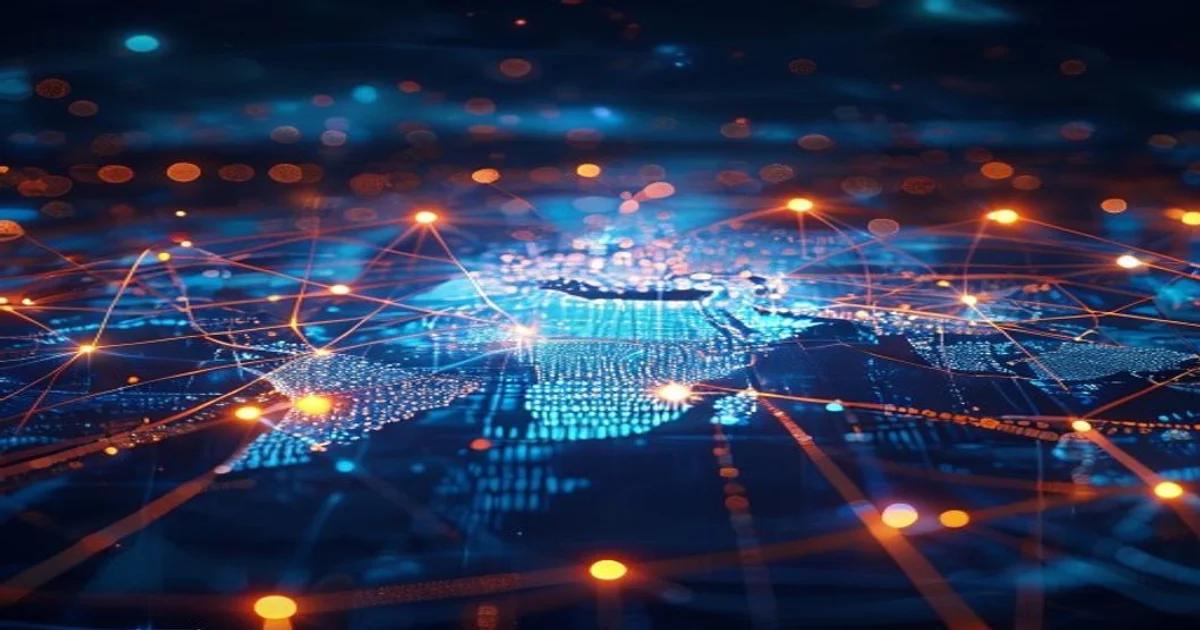
The Imperative of Resilience in Modern Supply Chains
The global landscape of trade and logistics has faced unprecedented volatility over the past few years. From pandemic-induced shutdowns to geopolitical instability, the traditional linear supply chain model has proven fragile. AI-Driven Supply Chain Resilience represents the evolution from reactive crisis management to a proactive, data-centric strategy that ensures operational continuity under any conditions. By leveraging advanced computational power, businesses can now anticipate market shifts rather than merely responding to them.
Transforming Data into Actionable Intelligence
The cornerstone of a resilient supply chain is data visibility. Organizations today accumulate vast quantities of information, yet few truly harness it. AI algorithms act as the bridge between raw, disconnected data points and actionable intelligence. Through the integration of Machine Learning (ML) models, companies can analyze historical patterns alongside real-time inputs such as weather reports, port traffic, and currency fluctuations to forecast demand with high precision.
'Resilience is not merely the ability to survive a shock, but the capability to emerge stronger through the intelligent application of predictive technologies.'
The Role of Automation and Smart Systems
Automation plays a pivotal role in maintaining consistent performance within logistics networks. Autonomous mobile robots (AMRs) in warehouses and automated procurement software significantly reduce the reliance on manual labor, which is often a point of failure during labor shortages or health crises. By automating mundane, repetitive tasks, companies free their human workforce to focus on high-level strategy and exception handling.
- Intelligent Warehousing: Optimizing pick-and-pack operations through swarm robotics.
- Dynamic Routing: Adjusting shipping lanes in real-time based on traffic and weather data.
- Predictive Maintenance: Reducing equipment downtime by predicting component failures before they occur.
Digital Twins and Stress Testing
One of the most powerful tools in the modern supply chain arsenal is the digital twin. A digital twin is a virtual replica of the entire physical supply network. Using AI, managers can run thousands of simulations to stress-test their operations. What happens if a key supplier in Southeast Asia goes offline? What if a major regional port closes for two weeks? By modeling these 'what-if' scenarios, companies can develop contingency plans that are ready to deploy at a moment’s notice.
Addressing the Complexity of Global Trade
The sheer complexity of modern supply chains requires sophisticated algorithmic approaches. Neural networks are increasingly used to detect anomalies in purchasing behavior or vendor performance, identifying potential bottlenecks long before they impact the final consumer. This granularity of oversight allows for a level of transparency that was previously impossible. Furthermore, as sustainability goals become a priority, AI helps organizations optimize fuel usage and reduce waste by identifying the most efficient logistical paths.
Cybersecurity in an Interconnected Ecosystem
With increased digitization comes an increased risk of cyber threats. A resilient supply chain must integrate robust cybersecurity protocols into its AI framework. As systems become more autonomous, they must be hardened against adversarial attacks. The future of the industry will rely on secure, encrypted data sharing between partners, ensuring that resilience is not compromised by vulnerability.
The Future Outlook: AI as a Strategic Asset
Looking ahead, the integration of generative AI will likely take center stage in supply chain management. Imagine an assistant that can draft complex procurement contracts, negotiate shipping rates with vendors, and reconfigure global sourcing strategies in minutes. The shift from human-executed tasks to human-supervised, AI-executed strategies is the next frontier. Companies that fail to adopt these technologies risk falling behind in an increasingly competitive and unpredictable market. Success will belong to those who embrace the algorithmic revolution with an agile mindset and a commitment to continuous learning.