The Paradigm Shift in Urban Sanitation
Urbanization is accelerating at an unprecedented rate, and with it, the challenge of municipal solid waste (MSW) management has reached a critical inflection point. Traditional 'static' waste collection—where trucks follow fixed routes regardless of actual container fill levels—is inherently inefficient, costly, and environmentally taxing. Today, the integration of AI-Driven Waste Infrastructure Optimization is transforming this antiquated model into a responsive, intelligent ecosystem.
The Mechanics of Smart Collection
At the heart of this transformation are IoT-enabled fill-level sensors. These devices utilize ultrasonic or infrared technology to monitor the volume of waste in real-time. By feeding this stream of data into sophisticated machine learning models, cities can move from a schedule-based collection to an on-demand, demand-responsive system.
- Predictive Analytics: Algorithms analyze historical consumption patterns to forecast peak waste generation periods.
- Dynamic Route Optimization: GPS and traffic data integrate with sensor inputs to calculate the most fuel-efficient paths for collection vehicles.
- Fleet Management: Predictive maintenance for trucks ensures downtime is minimized, extending the lifecycle of municipal assets.
'The future of sustainable urban living relies on our ability to turn waste management into a data-rich utility, rather than an operational burden.'
Advancing Material Recovery Facilities (MRFs)
Beyond collection, the sorting stage represents the next frontier. Conventional sorting facilities are often hindered by human error and the complexity of modern consumer materials. AI-powered robotics, equipped with advanced computer vision, can identify, categorize, and sort recyclables with a speed and accuracy that manual sorters cannot match. These systems 'learn' new packaging materials over time, constantly improving their sorting capabilities.
Robotics and Precision Engineering
By leveraging high-speed cameras and pneumatic arms, robotic systems can distinguish between various types of plastics, paper, and metals in milliseconds. This degree of precision is crucial for achieving high-purity recycling streams, which are essential for the commercial viability of recycled materials.
The Economic and Environmental Impact
Implementing smart systems is not merely a technological upgrade; it is an economic necessity. Municipalities are seeing dramatic reductions in labor costs and fuel expenditures. Furthermore, the reduction in unnecessary truck idling directly contributes to a smaller carbon footprint, aligning with global net-zero initiatives.
Scaling for the Future
As we look toward the development of 'Circular Cities,' AI serves as the backbone of circular resource flows. By tracking the entire lifecycle of products through digital waste passports and AI-enhanced sorting, municipalities can reclaim valuable raw materials that were previously lost to landfills. This transition necessitates a robust digital transformation of municipal infrastructure, requiring collaboration between tech vendors, waste management operators, and local governments.
Challenges in Implementation
Despite the clear advantages, the path to fully automated waste management is not without obstacles. High initial capital expenditure for sensor networks and robotic sorting infrastructure remains a significant barrier for many smaller municipalities. Additionally, there is the ongoing requirement for cybersecurity protocols to protect the critical infrastructure of city services from potential breaches.
Long-term Vision
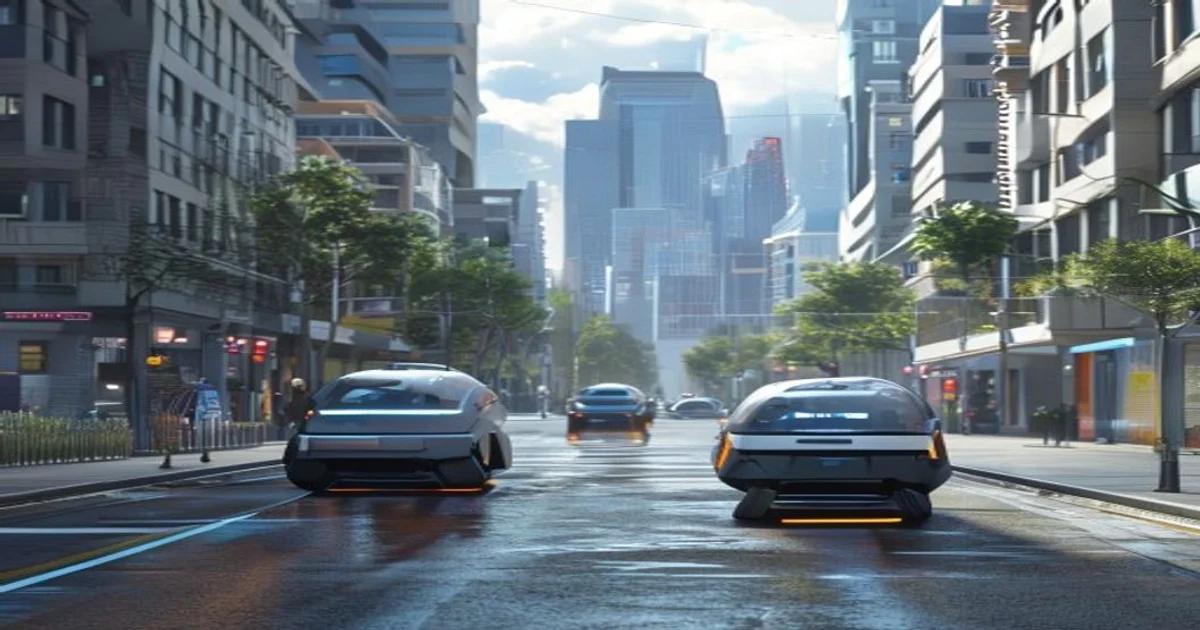
As AI models become more efficient and sensor costs continue to plummet, we are moving toward a reality where waste management is entirely automated. From the smart bin to the autonomous collection truck, and finally to the robotic sorting center, the waste value chain is becoming a model of efficiency. This evolution underscores the broader role of Smart Systems in creating resilient urban environments that prioritize environmental stewardship through the intelligent application of software and hardware innovation.