
The Dawn of a New Era: AI's Integral Role in Green Energy
The global imperative for a sustainable future has never been more urgent. As humanity grapples with the escalating climate crisis, the transition from fossil fuels to clean, renewable energy sources stands as a cornerstone of any viable long-term strategy. This monumental shift, however, is not without its complexities. Intermittency of renewables, the intricacies of grid management, and the relentless demand for efficiency pose significant challenges. It is within this critical context that Artificial Intelligence (AI) emerges not merely as a tool but as a transformative force, reshaping every facet of the green energy landscape. From optimizing the output of vast solar farms and wind parks to revolutionizing the efficiency of energy grids and accelerating the discovery of novel sustainable materials, AI is proving to be an indispensable ally in our quest for a carbon-neutral world. Its analytical prowess, predictive capabilities, and capacity for autonomous decision-making are unlocking efficiencies and innovations previously unimaginable, propelling the green energy revolution forward at an unprecedented pace.
Optimizing Renewable Energy Production: Maximizing Nature's Bounty
One of the most profound impacts of AI in green energy lies in its ability to dramatically improve the production and reliability of renewable sources. The inherent variability of solar and wind power, dictated by capricious weather patterns, has historically been a significant hurdle. AI, particularly through advanced machine learning algorithms and deep neural networks, is fundamentally changing this narrative.
Solar Energy: Precision Prediction and Enhanced Performance
For solar power, AI's influence begins with hyper-accurate forecasting. By analyzing vast datasets encompassing historical weather patterns, satellite imagery, local atmospheric conditions, and even particulate matter in the air, AI models can predict solar irradiance levels with remarkable precision. This allows grid operators and utility companies to:
- Optimize energy dispatch: Knowing how much solar power will be generated in the coming hours or days enables better integration into the grid, reducing the need for costly and carbon-intensive backup power.
- Manage energy storage: AI intelligently directs the charging and discharging of battery storage systems, ensuring that excess solar energy generated during peak sunshine hours is stored and released precisely when demand is high or solar output is low.
- Predictive maintenance: AI analyzes operational data from solar panels and inverters to identify anomalies, predict potential failures, and schedule maintenance proactively. This minimizes downtime, extends equipment lifespan, and maximizes overall energy yield. For instance, AI-powered drones can scan vast solar farms to detect minute defects, dirt accumulation, or hot spots invisible to the human eye, enabling targeted cleaning and repairs.
- Dynamic panel positioning: In some advanced installations, AI algorithms can dynamically adjust the tilt and azimuth of solar panels in real-time to track the sun's path more effectively, accounting for cloud cover and atmospheric conditions to capture maximum energy throughout the day.
Wind Energy: Harnessing the Invisible Currents
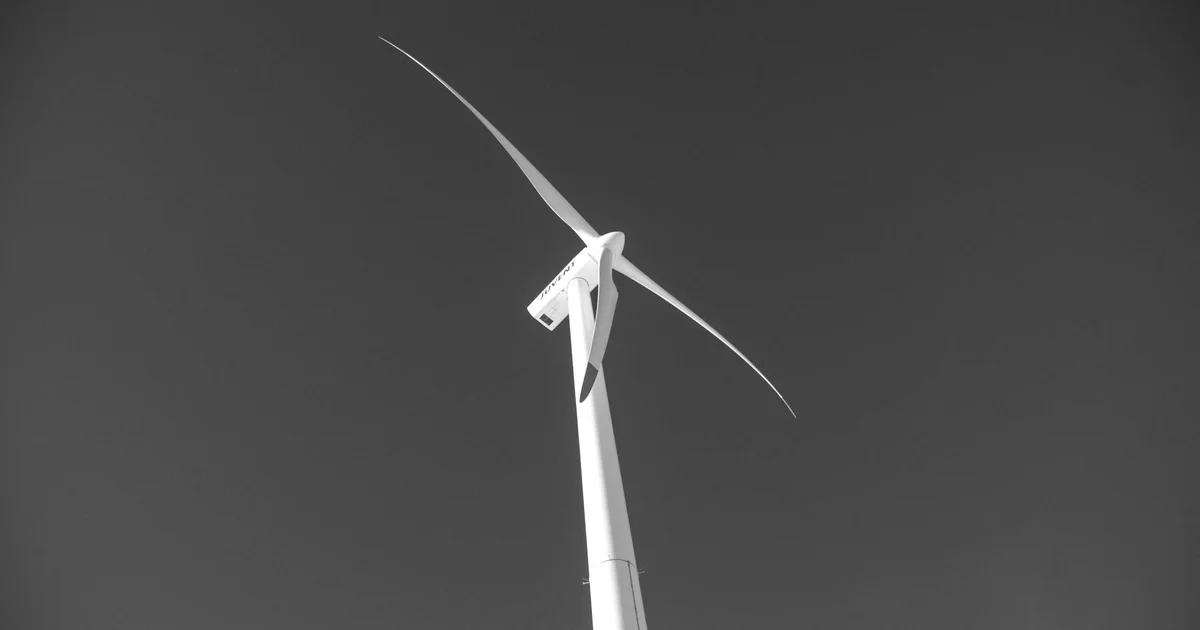
Similarly, AI is transforming the wind energy sector. Wind turbines, while powerful, operate most efficiently within specific wind speed ranges. AI's contributions here are multi-faceted:
- Site selection and turbine placement: Before a wind farm is even built, AI models can simulate complex aerodynamic interactions and micro-climates, identifying optimal locations for turbines to maximize energy capture and minimize wake effects, which occur when turbines interfere with each other's airflow.
- Wind forecasting: Just as with solar, AI-driven models provide highly accurate wind speed and direction forecasts. This is crucial for planning energy distribution and balancing the grid.
- Predictive maintenance and operational optimization: AI monitors the performance of individual turbine components – blades, gearboxes, generators – detecting early signs of wear or malfunction. This 'smart maintenance' prevents costly breakdowns, extends turbine lifespan, and ensures continuous operation. Beyond maintenance, AI can also dynamically adjust turbine angles (yaw and pitch) in real-time to optimize power output under varying wind conditions, even accounting for turbulence and gusts, leading to significant increases in energy capture.
- Fleet management and collective intelligence: AI can manage entire fleets of wind turbines as a cohesive unit, optimizing their collective performance rather than just individual machines. This involves complex algorithms that learn from the operational history of hundreds or thousands of turbines, identifying patterns and applying best practices across the entire farm.
Revolutionizing Grid Management: The Intelligent Energy Network
Perhaps nowhere is AI's impact more critical than in the realm of smart grid management. The electricity grid, traditionally a centralized, unidirectional system, is evolving into a complex, decentralized, and bidirectional network with the integration of numerous intermittent renewable sources and distributed energy resources (DERs) like rooftop solar and electric vehicles. Managing this intricate web requires intelligence, agility, and predictive capabilities that only AI can provide.
Demand-Side Management and Load Balancing
AI is pivotal in demand-side management (DSM), empowering the grid to be more responsive and efficient:
- Predicting energy demand: AI algorithms analyze historical consumption data, weather forecasts, economic indicators, and even social events to predict energy demand with remarkable accuracy. This allows utilities to anticipate peak loads and adjust generation or incentivize reduced consumption accordingly.
- Dynamic pricing and incentives: AI can enable dynamic pricing models that encourage consumers to shift energy-intensive activities to off-peak hours, reducing strain on the grid and maximizing the utilization of renewable energy when it's abundant.
- Smart appliance integration: In smart homes and buildings, AI can communicate with connected appliances (HVAC systems, water heaters, EV chargers) to automatically optimize their energy usage based on real-time grid conditions, energy prices, and occupant preferences.
Enhancing Grid Stability and Reliability
The integration of intermittent renewables can lead to grid instability. AI acts as the central nervous system of the modern grid, maintaining equilibrium:
- Real-time anomaly detection: AI continuously monitors thousands of data points across the grid, instantly identifying anomalies, faults, or potential areas of congestion. This enables rapid response and prevents cascading failures.
- Self-healing grids: In advanced smart grids, AI can autonomously reroute power around damaged sections, isolating faults and restoring service to unaffected areas within seconds, minimizing outages.
- Optimal energy dispatch: AI optimizes the dispatch of all available energy sources – renewables, conventional plants, and storage – to meet demand, maintain frequency, and ensure grid stability at the lowest possible cost and environmental impact.
- Voltage and reactive power control: AI can precisely manage voltage levels and reactive power flow across the grid, minimizing transmission losses and improving overall power quality, which is crucial for sensitive industrial equipment and modern electronics.
Cybersecurity for Critical Infrastructure
As grids become smarter and more interconnected, they also become more vulnerable to cyberattacks. AI-driven cybersecurity systems are essential for protecting this critical infrastructure:
- Threat detection: AI constantly monitors network traffic and system behavior, identifying unusual patterns that may indicate a cyberattack, often long before traditional security systems can react.
- Anomaly-based intrusion detection: By learning 'normal' operational behavior, AI can flag even novel attack vectors that don't match known signatures.
- Automated response: In some cases, AI can initiate automated defense mechanisms to isolate threats or mitigate damage, buying valuable time for human operators to intervene.
Accelerating Research and Development: Unlocking New Possibilities
The green energy transition requires not only optimizing existing technologies but also discovering and scaling new ones. AI is a powerful accelerator in the scientific discovery process, particularly in materials science and chemistry.
Novel Materials for Energy Storage and Conversion
Developing more efficient, cheaper, and safer batteries, hydrogen fuel cells, and catalysts is paramount. AI's capabilities in this area are profound:
- Materials discovery: AI can sift through vast databases of existing materials, predict the properties of theoretical new compounds, and simulate molecular interactions at an unprecedented scale. This dramatically reduces the time and cost associated with traditional 'trial-and-error' experimental approaches. For example, AI is being used to design new solid-state electrolytes for next-generation batteries, aiming for higher energy density and improved safety.
- Catalyst design: Effective catalysts are crucial for processes like green hydrogen production (electrolysis) and carbon capture. AI can identify optimal catalyst compositions and structures, accelerating the development of highly efficient and cost-effective solutions.
- Photovoltaic material innovation: AI is assisting in the discovery of new materials with enhanced light absorption properties and stability, potentially leading to cheaper and more efficient solar cells, including perovskites and organic photovoltaics.
Carbon Capture, Utilization, and Storage (CCUS)
CCUS technologies are vital for decarbonizing hard-to-abate industries. AI plays a role in:
- Optimizing capture processes: AI can enhance the efficiency of chemical solvents or membranes used in direct air capture or post-combustion capture, reducing the energy penalty associated with these processes.
- Predicting storage site suitability: For geological storage of captured CO2, AI can analyze geological data to identify the safest and most effective subsurface reservoirs, minimizing leak risks.
'The integration of AI into green energy systems is not merely an incremental improvement; it's a paradigm shift. It transforms how we generate, distribute, and consume power, moving us closer to a resilient and truly sustainable energy future.'
Enhancing Energy Efficiency Across Sectors
Beyond production and grid management, AI is a powerful tool for reducing overall energy consumption and waste across residential, commercial, and industrial sectors.
Smart Buildings and Homes
- HVAC optimization: AI-powered building management systems (BMS) learn occupancy patterns, external weather conditions, and even individual preferences to dynamically adjust heating, ventilation, and air conditioning (HVAC) systems. This can lead to significant energy savings, often 20-30% or more, without compromising comfort.
- Intelligent lighting: AI controls lighting based on natural light availability, occupancy, and scheduled activities, ensuring lights are only on when and where needed.
- Predictive maintenance for building systems: AI monitors elevators, pumps, and other building infrastructure to predict failures and optimize maintenance schedules, reducing energy-intensive repairs and downtime.
Industrial Process Optimization
Industrial operations are notoriously energy-intensive. AI can identify inefficiencies and opportunities for optimization:
- Process control: AI can fine-tune parameters in manufacturing processes, such as temperature, pressure, and flow rates, to minimize energy input while maintaining product quality.
- Equipment scheduling: In factories, AI can optimize the sequencing and scheduling of machines to reduce peak power demand and take advantage of lower energy costs during off-peak hours.
- Waste heat recovery: AI can identify opportunities to capture and reuse waste heat generated by industrial processes, transforming a byproduct into a valuable energy resource.
Challenges and Ethical Considerations
While the promise of AI in green energy is immense, it's crucial to acknowledge and address the challenges and ethical considerations that accompany its widespread deployment.
The Energy Footprint of AI Itself
Ironically, training and running complex AI models, especially large language models and deep learning algorithms, can be incredibly energy-intensive. This creates a potential conflict where the solution to energy problems contributes to energy consumption. Addressing this requires:
- Energy-efficient AI architectures: Developing algorithms and hardware (AI chips) that require less computational power.
- Optimization of training processes: Making AI model training more efficient and selective.
- Using green energy for AI infrastructure: Powering data centers and cloud computing facilities with renewable energy sources.
Data Privacy and Cybersecurity
Smart grids and AI systems collect vast amounts of data, including potentially sensitive information about energy consumption patterns of homes and businesses. Ensuring the privacy and security of this data is paramount to maintain public trust and prevent misuse. Robust encryption, anonymization techniques, and stringent data governance policies are essential.
Algorithmic Bias and Transparency
AI algorithms are only as good as the data they are trained on. If historical energy consumption data contains biases (e.g., disproportionate service in certain neighborhoods), AI could perpetuate or even exacerbate these inequities. Ensuring fairness, transparency, and accountability in AI decision-making processes is critical, especially when AI influences access to essential services like electricity.
Job Displacement and Workforce Transition
Automation driven by AI in the energy sector, as in others, may lead to job displacement in traditional roles. Proactive measures for workforce retraining, education, and the creation of new 'green collar' jobs enabled by AI are necessary to ensure a just transition.
The Future: A Fully Autonomous, Sustainable Grid
Looking ahead, the synergy between AI and green energy is poised to create an energy ecosystem that is not only sustainable but also intelligent, resilient, and responsive. Imagine a future where:
- Hyper-localized microgrids are autonomously managed by AI, seamlessly integrating local renewables, storage, and demand-side resources, operating independently when the main grid falters.
- Every building is an active participant in the energy market, with AI optimizing its energy production, consumption, and even trading excess power with neighbors or the grid.
- Electric vehicles become mobile energy storage units, intelligently charging during periods of renewable surplus and discharging back to the grid when needed, all managed by AI.
- New energy materials are discovered and commercialized at an accelerated pace, thanks to AI-driven laboratories that can design, simulate, and test new compounds virtually.
- Global energy markets are optimized by AI, facilitating cross-border energy trading and ensuring that clean energy is efficiently utilized wherever it's needed most.
The journey toward a fully sustainable energy future is complex, requiring a multifaceted approach that combines technological innovation, policy frameworks, and collective societal action. AI, with its unparalleled capacity to process information, learn, and optimize, is undeniably one of the most powerful tools at our disposal. It empowers us to not just manage the energy transition but to accelerate it, making a truly green, resilient, and equitable energy system a tangible reality for generations to come. The era of intelligent energy is upon us, and AI is its guiding force.