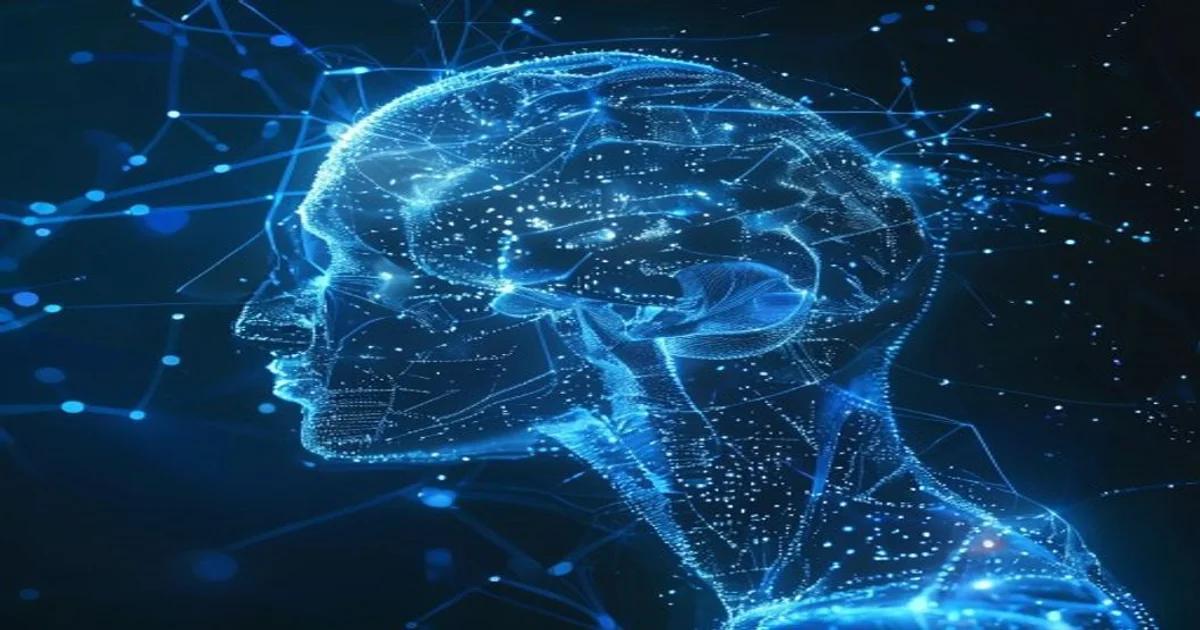
The Era of Cognitive Offloading
The human memory, a biological marvel evolved over millennia to track predators and foraging grounds, is currently undergoing its most significant transition since the invention of the printing press. As artificial intelligence models integrate into our daily workflows, we are witnessing a phenomenon known as cognitive offloading. In this new era, the biological brain is no longer the sole repository for our knowledge base. Instead, we have begun to treat AI systems, such as LLMs and personal knowledge management software, as an extended neocortex. This shift raises profound questions about the malleability of human memory and whether our ability to store information is being replaced by an ability to navigate digital indexes.
The Digital Amnesia Effect
Recent psychological research suggests that when individuals know that information is readily available via a search engine or a generative AI assistant, the brain is less likely to encode that information into long-term memory. This is often referred to as the Google Effect or digital amnesia. When we offload the act of remembering to an algorithm, our internal processes for consolidation weaken. If we know that our AI 'second brain' can recall specific details, our biological systems shift focus from retaining the 'what' to remembering the 'where'—the path to retrieval rather than the data itself.
'The brain is a miser. It does not waste metabolic energy on processes that it deems redundant. If the machine remembers for us, the biological synaptic pathways for that information go unused.'
Generative AI and the Distortion of Narrative
Beyond mere storage, AI is beginning to influence the narrative quality of our memories. As we interact with generative AI to summarize our past communications, draft our autobiographical notes, or curate our digital photo archives, we are inviting a synthetic intelligence to organize the timeline of our lives. These AI models possess the inherent capability to hallucinate or smooth over the jagged edges of human experience. Over time, the refined, idealized versions of events presented by AI may overwrite the raw, unfiltered emotional truth of our original memories. This phenomenon could lead to a future where our personal histories are filtered through the lens of algorithmic efficiency.
The Trade-off: Atrophy vs. Expansion
Critics argue that this reliance on technology leads to cognitive atrophy. If we lose our ability to mentally map facts and connect disparate concepts without external assistance, do we lose a fundamental part of our humanity? However, proponents suggest that this is an evolutionary leap rather than a decline. By offloading rote memorization, we free up cognitive load for complex problem-solving, emotional regulation, and creative synthesis. The goal of this digital transformation is not to replace the human mind, but to augment it with a massive, queryable external memory bank that surpasses biological constraints.
Navigating the Future of Human Cognition
To preserve our cognitive integrity, we must adopt a more conscious approach to our interactions with AI. This does not mean abandoning technology but rather choosing when to engage our biological memory and when to rely on machine assistance. Strategies such as active recall, spaced repetition, and periodic 'AI-free' thinking periods may become essential hygiene for the modern mind. We are currently the architects of our own cognitive architecture, and the choices we make today regarding our dependence on AI will define the memory capacities of generations to come.