The Dawn of Algorithmic Virtuosity
The relationship between technology and music has always been symbiotic, from the invention of the electric guitar to the rise of digital audio workstations. However, the current wave of AI integration represents a fundamental shift. We are moving beyond the era of static playback into an era of dynamic, responsive musical interaction. Modern musicians are increasingly leveraging neural networks to turn their instruments into intelligent systems capable of interpreting, reacting, and evolving in real-time.
The Mechanics of Real-Time Interaction
At the heart of this transformation lies the capability for machines to listen and respond. Traditional electronic music often suffered from a 'canned' feeling, where artists were bound by the rigid grid of a DAW (Digital Audio Workstation). Today, Generative AI models are being deployed to monitor audio inputs from human performers, analyzing pitch, timbre, and emotional intensity to generate accompanying parts that feel organic.
- Predictive Sequencing: Algorithms that anticipate a performer's next move.
- Adaptive Sound Design: Neural networks that adjust effect chains based on the room acoustics and the energy of the crowd.
- Cross-Modal Synthesis: Using gesture-tracking to influence complex harmonic generation.
'The goal is not to replace the human performer, but to extend their reach beyond what the body can physically achieve,' suggests a lead researcher in the field of human-computer interaction.
Rethinking the Role of the Instrument
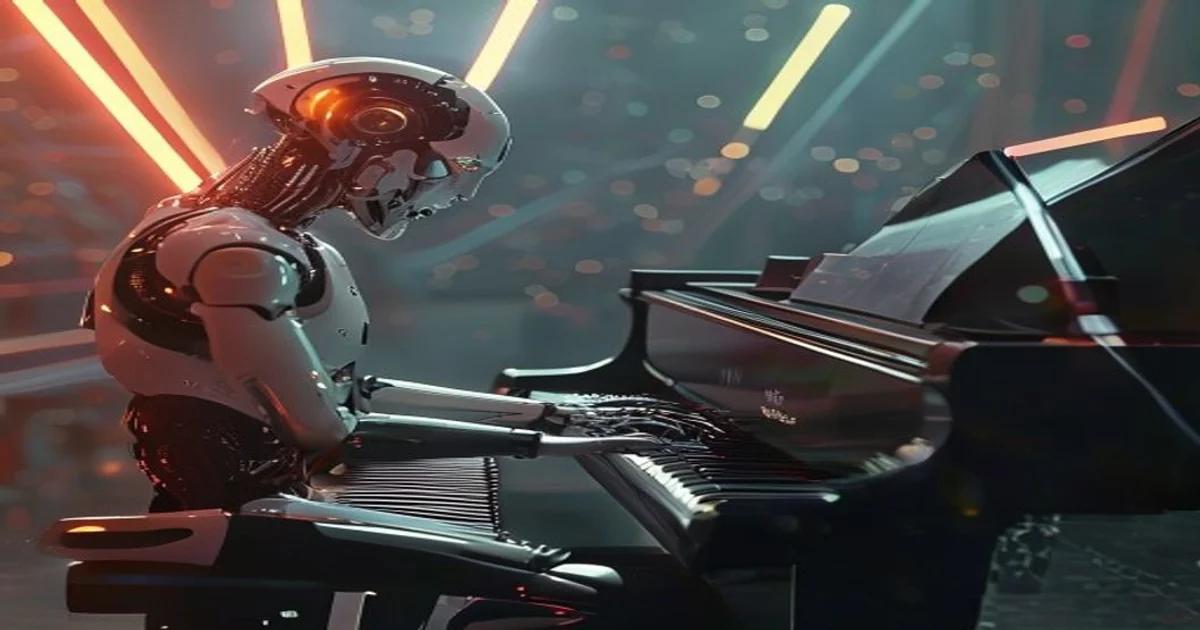
We must consider the instrument not as a fixed physical object, but as a gateway to digital processing. By embedding AI chips directly into hardware, manufacturers are blurring the lines between software and instrument. This allows for 'smart' instruments that can learn a musician's playing style and offer stylistic alternatives that push them into uncharted creative territory.
Challenges in Live Implementation
Despite the excitement, technical hurdles remain. Low-latency processing is the holy grail of music performance. Even a few milliseconds of delay can destroy the 'feel' of a performance. Therefore, the focus of current Innovation is shifted toward edge computing, where local processing power handles the heavy lifting of machine learning models without relying on cloud servers.
The Ethos of Collaborative Creativity
When an AI system begins to contribute to a live performance, questions regarding authorship and spontaneity naturally arise. Is the output truly 'created' by the machine, or is it a reflection of the human input? The consensus among forward-thinking artists is that the AI functions as an 'infinite collaborator'. It is a mirror that can reflect a thousand different harmonic possibilities based on the seed provided by the human player.
Impact on the Live Experience
Audiences are beginning to notice the difference. Performances are becoming more fluid and unique. Because the AI is actively listening, no two shows are ever identical. This return to the 'one-off' nature of live jazz or classical performance is perhaps the most significant outcome of integrating intelligent systems into live shows.
Future Horizons
As we look forward, the synergy between human cognition and AI models will deepen. We are approaching a period where brain-computer interfaces could potentially translate internal musical concepts directly into live orchestral or electronic output. While this sounds like science fiction, the fundamental research is already being conducted in laboratories around the world. The role of the performer is shifting from a static producer of sounds to a conductor of intelligent systems that curate and sculpt sonic environments in real-time.
Ultimately, the integration of AI is not about diminishing the human element but rather about removing the technical barriers that often keep our most complex creative visions from manifesting in the real world. By embracing these tools, musicians are finding new ways to express the inexpressible, ensuring that the art of performance remains as vital and evolving as the technology that empowers it. Whether it is through adaptive beat-matching, AI-augmented vocal synthesis, or generative harmony, the future of music is undeniably collaborative.