
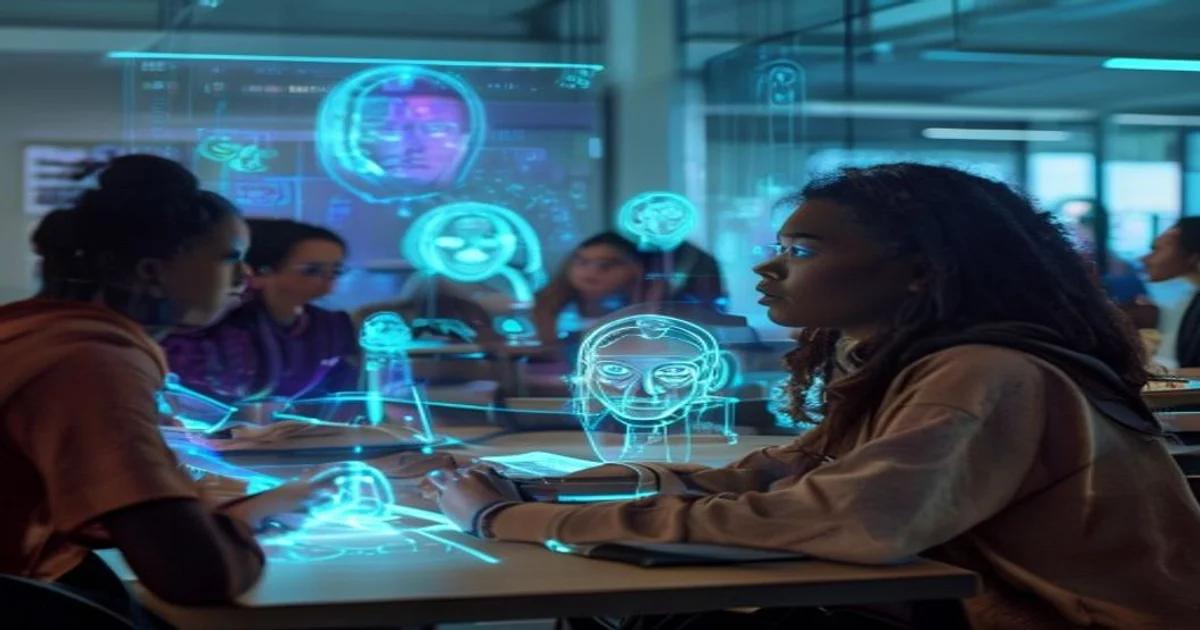
The Imperative for AI Integration
As we stand on the precipice of a new industrial epoch defined by machine intelligence, the role of public education must undergo a radical metamorphosis. AI literacy is no longer a peripheral skill set reserved for computer science majors; it is a fundamental pillar of modern citizenship. To remain relevant and empower future generations, public schools must transition from viewing AI as a disruptive threat to treating it as an indispensable partner in the pedagogical process.
Defining AI Literacy
AI literacy encompasses more than just the ability to prompt a large language model. It involves understanding the mechanics of algorithms, the ethical implications of data collection, the nuances of algorithmic bias, and the capacity to critically evaluate machine-generated outputs. Students must move beyond being passive consumers of technology to becoming discerning architects of their own digital environments. Without this foundation, the next generation remains vulnerable to misinformation, algorithmic manipulation, and the opaque decision-making processes inherent in automated systems.
The Teacher as the Navigator
One of the greatest challenges facing public education today is the massive knowledge gap between the student population and the faculty. Teachers, often overwhelmed by rigid state requirements, feel ill-equipped to facilitate discussions on complex technical concepts. To address this, districts must invest heavily in professional development. Educators need to understand not just 'how' to use a tool, but 'why' that tool works. When teachers possess high AI literacy, they can curate learning experiences that challenge students to question the black box of AI, rather than accepting its results as infallible truth.
Building an Ethical Framework
Ethics should not be an elective module at the end of a semester; it must be the subtext of every assignment. From the moment students interact with AI, they should be taught about data privacy, intellectual property, and the environmental impact of large-scale computation. By embedding ethics into the core of the educational experience, we cultivate students who view technology through a lens of responsibility. A student who understands that their prompts feed into a global dataset is a student who thinks twice before sharing sensitive information.
Bridging the Digital Divide
There is a real risk that AI integration will favor wealthy districts, exacerbating pre-existing inequalities. Public education is the primary safeguard against this disparity. By standardizing AI curriculum across public school districts, policymakers can ensure that every child, regardless of socioeconomic background, has a baseline understanding of how to leverage AI for personal and professional growth. This is the new civil rights issue of the digital age: equitable access to the intelligence that defines our global economy.
Moving Toward Adaptive Learning
AI offers the promise of personalized learning pathways that adapt to a student's unique pace. While skeptics fear the dehumanization of the classroom, proponents see an opportunity to free teachers from administrative drudgery so they can focus on mentorship and emotional support. When AI handles the formative assessment of rote exercises, the teacher is liberated to facilitate high-level Socratic seminars and creative projects that demand human intuition.
'Education is not the filling of a pail, but the lighting of a fire.' In the age of AI, the fire we must ignite is the fire of critical inquiry into the nature of intelligence itself.
Practical Implementation Strategies
To effectively roll out AI literacy, school boards must focus on three core areas: infrastructure, curriculum, and community engagement. First, provide the necessary hardware and low-latency cloud access. Second, design modular curriculum that can adapt as quickly as the technology evolves. Third, invite parents and community members into the discourse to ensure transparency regarding the use of AI tools in the classroom. This is not just a technological shift; it is a cultural one.
Preparing for the Future Workforce
We are preparing students for careers that do not yet exist. A student graduating in ten years will work in tandem with agents we cannot currently conceive. Therefore, the goal of education must be to foster high-level cognitive skills: analytical synthesis, empathetic communication, and ethical decision-making. These are the skills that AI cannot replicate, and these are the skills that will define value in a market flooded with automated labor. By teaching students to harness AI as a force multiplier for their own intellect, we are securing their future independence.