The AI Revolution in Clinical Diagnostics: Enhancing Precision and Patient Outcomes
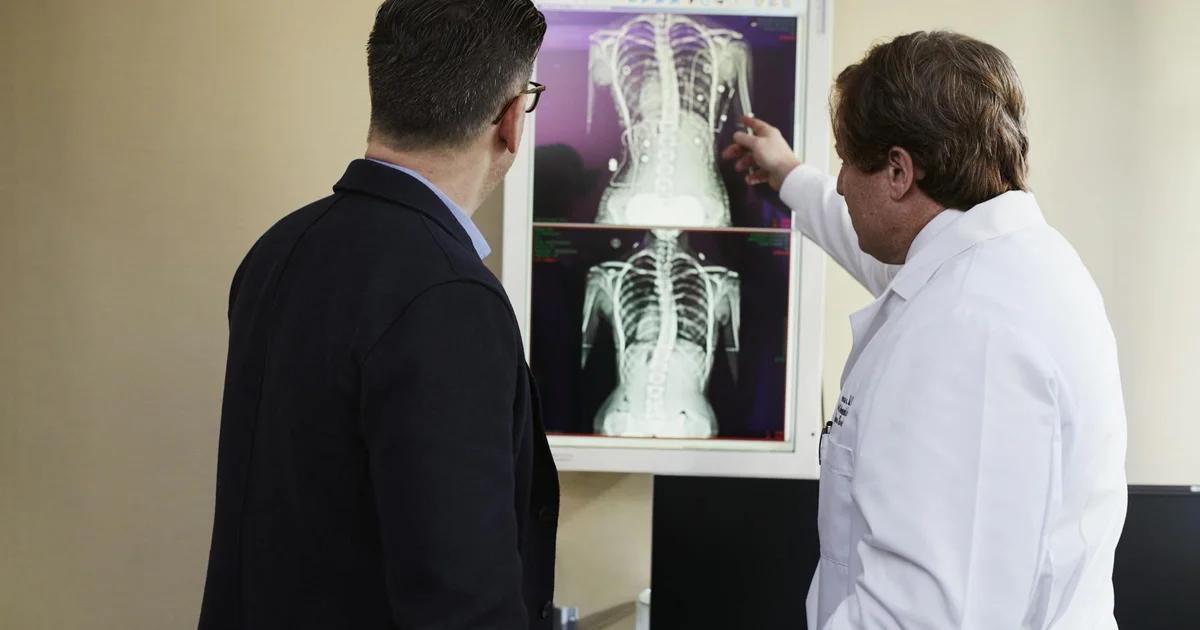
The landscape of modern medicine is undergoing a profound transformation, spearheaded by the burgeoning capabilities of artificial intelligence (AI). Specifically, within clinical diagnostics, AI is no longer a futuristic concept but a present-day reality, steadily integrating into hospitals and clinics worldwide. Its promise lies in its ability to analyze complex medical data with unprecedented speed and accuracy, thereby revolutionizing how diseases are detected, understood, and managed. From identifying subtle anomalies in radiological scans to predicting disease progression based on genomic markers, AI is poised to elevate diagnostic standards, leading to earlier interventions, more personalized treatments, and ultimately, significantly improved patient outcomes. This paradigm shift signals a new era of healthcare where technology augments human expertise, fostering a more efficient, precise, and equitable medical system.
The Imperative for AI: Addressing Gaps in Traditional Diagnostics
Traditional diagnostic methods, while foundational, face inherent limitations that AI is uniquely positioned to overcome. Human interpretation, though invaluable, can be subjective, prone to fatigue, and constrained by the sheer volume of data in an increasingly complex medical environment. Misdiagnoses, delayed diagnoses, and variations in diagnostic quality across different institutions or practitioners remain persistent challenges. Moreover, the explosion of multimodal data – from imaging and pathology slides to electronic health records and genetic sequencing – presents an overwhelming analytical burden that exceeds human capacity. AI offers a scalable, consistent, and tireless analytical engine that can process this deluge of information, highlight critical patterns, and assist clinicians in making more informed decisions, thereby reducing diagnostic errors and improving throughput. It addresses the critical need for consistency, speed, and enhanced precision in a healthcare system striving for optimal patient care amidst growing demands.
Core AI Technologies Driving Diagnostic Enhancement
The power of AI in diagnostics stems from several key technological advancements, primarily machine learning and its advanced subsets.
Machine Learning (ML)
At its heart, ML enables computers to 'learn' from data without being explicitly programmed. In diagnostics, ML algorithms are trained on vast datasets of patient information, including symptoms, lab results, imaging, and diagnoses. They identify correlations and patterns that can then be used to predict outcomes or classify new, unseen data. For instance, ML models can predict the likelihood of a patient developing a certain condition based on their risk factors, or help stratify patients into different risk categories.
Deep Learning (DL) and Neural Networks (NNs)
Deep learning, a specialized branch of machine learning, employs multi-layered artificial neural networks inspired by the human brain. These networks are exceptionally good at recognizing intricate patterns in complex data, making them ideal for tasks like image and speech recognition. In diagnostics, deep learning models excel in:
- Image Analysis: Identifying lesions in X-rays, tumors in MRI scans, or abnormalities in microscopic pathology slides. Their ability to learn hierarchical features directly from raw pixels makes them superior for visual diagnostic tasks.
- Natural Language Processing (NLP): Analyzing unstructured text data from clinical notes, physician reports, and scientific literature. NLP can extract critical information, summarize patient histories, or identify relevant research findings to support diagnosis.
Computer Vision
A direct application of deep learning, computer vision allows AI systems to 'see' and interpret visual information. This is profoundly impactful in specialties heavily reliant on imaging. From segmenting organs in a CT scan to detecting subtle changes in retinal images indicative of disease, computer vision algorithms significantly enhance the diagnostic capabilities of medical imaging. They can flag regions of interest for human review, quantify disease burden, and track changes over time with unparalleled precision.
Applications Across Medical Specialties: A Transformative Impact
AI's diagnostic utility spans nearly every medical discipline, offering specialized solutions that enhance traditional workflows.
Radiology and Medical Imaging Analysis
Perhaps the most prominent application, AI in radiology is transforming the interpretation of X-rays, CT scans, MRIs, PET scans, and ultrasounds. Deep learning models can:
- Detect and Characterize Lesions: Identify cancerous nodules in lung CTs, breast lesions in mammograms, or brain abnormalities in MRIs, often with accuracy comparable to or exceeding human radiologists. They can pinpoint areas that a human might overlook due to subtle appearance or sheer volume of data.
- Workflow Prioritization: Triage urgent cases, flagging scans with critical findings for immediate radiologist review, thus improving patient care timelines, especially in emergency settings.
- Quantitative Analysis: Measure tumor size, volume changes, or bone density with consistent precision, assisting in monitoring disease progression and treatment response.
- Image Reconstruction and Denoising: Improve image quality from noisy or low-dose scans, leading to clearer diagnostic images and reduced radiation exposure for patients.
- Reporting Assistance: Generate structured reports, extract key findings, and integrate them into electronic health records, reducing administrative burden and improving consistency.
Pathology and Histology
Pathologists routinely analyze tissue samples under microscopes to diagnose diseases like cancer. AI is revolutionizing this intricate process:
- Automated Slide Analysis: AI algorithms can analyze whole-slide images (WSIs) of tissue biopsies, detecting and classifying abnormal cells, grading tumors, and identifying prognostic biomarkers. They can quantify features like mitotic activity or lymphocyte infiltration more consistently than humans.
- Enhanced Precision: Minimize inter-observer variability in diagnoses, ensuring more standardized and reproducible results across different labs and pathologists.
- Accelerated Workflow: Quickly scan vast areas of tissue, highlighting suspicious regions for human pathologists to review, significantly speeding up the diagnostic process, particularly for large or complex cases.
- Personalized Treatment Guidance: Identify specific molecular patterns or protein expressions from tissue samples that guide targeted therapy choices, paving the way for more precise oncology.
Genomics and Precision Medicine
The 'omics' revolution—genomics, proteomics, metabolomics—generates colossal amounts of data. AI is indispensable for translating this data into actionable clinical insights.
- Variant Interpretation: Identify pathogenic genetic variants associated with inherited diseases or cancer predisposition, differentiating between clinically significant mutations and benign polymorphisms.
- Drug Response Prediction: Predict a patient's likely response to specific medications based on their genetic profile, enabling personalized pharmacotherapy and reducing trial-and-error prescribing.
- Disease Risk Assessment: Combine genetic data with lifestyle factors and clinical history to assess an individual's lifetime risk for various diseases, facilitating proactive prevention strategies.
- Discovery of Novel Biomarkers: Analyze large genomic datasets to identify new biomarkers for disease diagnosis, prognosis, and therapeutic targets, accelerating research and drug development.
Cardiology
AI is making significant inroads in cardiovascular diagnostics:
- ECG Interpretation: Analyze electrocardiograms (ECGs) to detect arrhythmias, myocardial ischemia, and other cardiac conditions with high sensitivity and specificity, often identifying subtle patterns that may be missed.
- Echocardiography Analysis: Automate measurements of heart chambers, ejection fraction, and valve function from ultrasound images, providing consistent and rapid assessments.
- Cardiac MRI/CT Analysis: Segment cardiac structures, quantify blood flow, and detect myocardial scar tissue, assisting in complex cardiac disease management.
Ophthalmology
Diabetic retinopathy, glaucoma, and macular degeneration are leading causes of blindness. AI offers powerful tools for early detection:
- Retinal Image Analysis: Detect early signs of diabetic retinopathy, glaucoma, and age-related macular degeneration from retinal scans with high accuracy, often enabling screening in remote or underserved areas.
- Automated Screening: Provide rapid, cost-effective screening programs, particularly beneficial in populations with limited access to specialist ophthalmologists.
Dermatology
AI algorithms are trained on vast image datasets of skin lesions:
- Skin Lesion Classification: Differentiate between benign moles and malignant melanomas or other skin cancers from dermoscopic images, guiding clinicians on when to perform biopsies.
- Teledermatology: Facilitate remote diagnosis and monitoring of skin conditions, improving access to specialist care.
Benefits of AI in Clinical Diagnostics
The integration of AI into diagnostic workflows yields a multitude of advantages, fundamentally reshaping healthcare delivery.
Enhanced Accuracy and Reduced Error Rates
AI systems can analyze medical data with a level of precision and consistency that is difficult for humans to maintain, especially over long shifts or with high volumes. This leads to fewer diagnostic errors, reducing patient harm and improving confidence in diagnoses. Their ability to identify subtle patterns in complex data, often imperceptible to the human eye, is a game-changer.
Accelerated Diagnosis and Workflow Efficiency
AI tools can process images and data much faster than human clinicians, significantly reducing the time from symptom onset to diagnosis. This is critical for time-sensitive conditions like strokes or sepsis. By automating routine tasks, AI frees up clinicians' time, allowing them to focus on complex cases, patient interaction, and strategic decision-making. Radiologists, for example, can review AI-flagged scans more quickly, streamlining their workflow.
Early Disease Detection and Prognosis
The ability of AI to detect minute abnormalities or predict disease progression earlier than traditional methods is paramount. Early detection, particularly for cancers and neurodegenerative diseases, often correlates directly with more successful treatment outcomes and improved survival rates. AI can also assist in predicting disease trajectories and patient responses to different therapies, allowing for proactive clinical management.
Personalized Medicine and Treatment Optimization
By integrating diverse datasets—genomic, proteomic, clinical, and lifestyle—AI can create a holistic view of each patient. This enables highly personalized diagnostic and treatment plans, moving away from a 'one-size-fits-all' approach. AI can identify which therapies are most likely to be effective for an individual, minimizing adverse effects and maximizing therapeutic benefits.
Accessibility and Scalability
AI can democratize access to high-quality diagnostics, particularly in remote or underserved areas where specialist clinicians are scarce. AI-powered diagnostic tools can be deployed in various settings, enabling consistent diagnostic quality regardless of geographical location. This scalability is vital for global health initiatives. For instance, AI-enabled retinal screening can be performed in primary care settings, with specialist review only for flagged cases.
Challenges and Considerations in AI Diagnostic Deployment
Despite its immense potential, the widespread adoption of AI in clinical diagnostics faces significant hurdles that require careful navigation.
Data Requirements and Bias
AI models are only as good as the data they are trained on. Massive, high-quality, and diverse datasets are essential for robust performance. If training data is biased – for instance, predominantly from one ethnic group or socio-economic class – the AI model may perform poorly or inaccurately for underrepresented populations, exacerbating existing healthcare disparities. Ensuring data diversity and representativeness is a continuous and complex challenge. Data privacy and security are also critical concerns, necessitating robust anonymization and secure handling protocols.
Interpretability and the 'Black Box' Problem
Many powerful AI models, especially deep learning networks, operate as 'black boxes' – it's difficult for humans to understand exactly *why* they arrived at a particular diagnostic conclusion. In clinical settings, trust and accountability are paramount. Clinicians need to understand the reasoning behind an AI's recommendation to confidently use it and to explain it to patients. Research into 'explainable AI' (XAI) is attempting to address this, but it remains a significant area of development. Without clear interpretability, AI adoption in critical diagnostic scenarios may be hindered.
Regulatory Hurdles and Approval Pathways
Medical AI products are subject to stringent regulatory oversight to ensure safety and efficacy. Agencies like the FDA in the US, EMA in Europe, and similar bodies globally are grappling with how to effectively regulate rapidly evolving AI software, especially those that adapt and learn over time. Establishing clear, efficient, yet rigorous approval pathways is crucial for bringing innovative AI diagnostics to market responsibly. The regulatory landscape is still maturing, posing challenges for developers and healthcare providers alike.
Ethical Implications and Patient Trust
The deployment of AI raises profound ethical questions. Who is accountable if an AI makes a diagnostic error? How do we ensure fairness and prevent algorithmic bias from harming specific patient groups? How transparent should AI's decision-making be to patients? Building and maintaining patient trust is fundamental. Clear communication about AI's role, its limitations, and human oversight is essential. Issues of data ownership, consent for data usage, and the potential for AI to depersonalize care also require careful consideration.
Integration with Existing Healthcare Infrastructure
Healthcare systems are complex, with deeply entrenched workflows and legacy IT systems. Integrating new AI tools requires seamless interoperability with electronic health records (EHRs), picture archiving and communication systems (PACS), and laboratory information systems (LIS). This integration is often challenging, costly, and requires significant IT resources and change management strategies to ensure smooth adoption and avoid disrupting existing clinical operations.
Physician Training and Adoption
For AI to be effective, clinicians need to be trained on how to use these tools effectively, understand their strengths and limitations, and integrate them into their practice. Resistance to change, lack of familiarity with AI concepts, and concerns about job displacement can hinder adoption. Educational programs and user-friendly interfaces are vital to empower medical professionals to become proficient users and collaborators with AI.
The Human-AI Collaboration: Augmenting, Not Replacing
A common misconception is that AI will replace human doctors. On the contrary, the most effective vision for AI in diagnostics is one of augmentation – where AI tools enhance and extend the capabilities of clinicians, rather than supplanting them. AI excels at pattern recognition, data processing, and identifying anomalies, while humans bring critical thinking, empathy, ethical judgment, contextual understanding of individual patients, and the ability to handle rare or ambiguous cases.
The synergy of human and artificial intelligence creates a 'super-clinician' effect. AI can act as a tireless second opinion, flagging potential issues, suggesting differential diagnoses, or quantifying disease features. The clinician then uses their expertise, experience, and knowledge of the patient's unique circumstances to make the final, informed diagnosis and treatment plan. This collaborative model maximizes accuracy, minimizes errors, and allows clinicians to focus on the truly human aspects of medicine.
Future Outlook: The Next Frontiers
The journey of AI in clinical diagnostics is still in its early stages, with exciting future developments on the horizon.
Predictive Analytics and Proactive Care
Beyond current diagnosis, AI will increasingly move into predictive analytics. By analyzing longitudinal patient data, AI can predict an individual's risk of developing diseases years in advance, identify patients at high risk of adverse events (like sepsis or cardiac arrest), and personalize preventive care strategies. This shift from reactive to proactive medicine will be transformative.
Real-time Monitoring and Continuous Diagnostics
Wearable sensors and continuous monitoring devices, combined with AI, will enable real-time health diagnostics. AI algorithms will analyze streams of physiological data (heart rate, glucose levels, activity patterns) to detect subtle deviations from normal, flagging potential issues before they become critical. This continuous feedback loop will empower both patients and providers with unprecedented insights.
Multimodal Data Integration and Holistic Patient Views
The future will see AI seamlessly integrating data from an ever-wider array of sources: genomics, transcriptomics, proteomics, imaging, EHRs, wearables, environmental factors, and even social determinants of health. This multimodal approach will create an incredibly rich, holistic digital twin of each patient, allowing AI to identify complex interactions and derive deeper, more nuanced diagnostic insights that are currently unimaginable.
Explainable and Trustworthy AI
Research will continue to advance 'explainable AI' (XAI), making AI models more transparent and interpretable. This will foster greater trust among clinicians and patients, ensuring that AI's recommendations can be understood, verified, and ethically applied. Regulatory frameworks will also evolve to keep pace with these advancements, ensuring safe and responsible deployment.
Conclusion
AI's role in clinical diagnostics is revolutionary, heralding an era of unparalleled precision, efficiency, and personalization in healthcare. While challenges related to data, ethics, regulation, and integration persist, the transformative benefits—from enhanced accuracy and early detection to accelerated workflows and personalized medicine—are undeniable. The future of diagnostics lies in a powerful collaboration between human expertise and intelligent machines, creating a healthcare system that is more robust, responsive, and ultimately, more capable of delivering optimal care for every patient. This symbiotic relationship promises to redefine medical practice, allowing clinicians to harness advanced technological capabilities to provide a level of diagnostic insight and patient support previously unattainable. The journey is complex, but the destination—a healthier, more accurately diagnosed population—is well within reach, propelled by the relentless innovation of AI.