
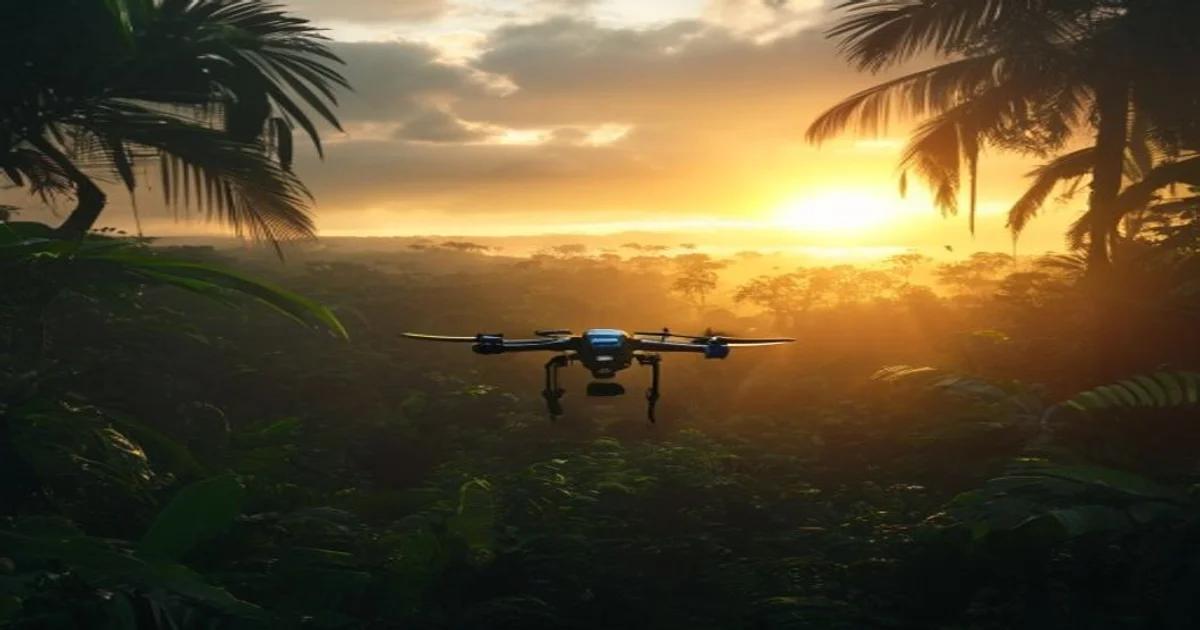
The Convergence of Intelligence and Ecology
The survival of Earth's biodiversity is currently facing unprecedented challenges driven by climate change, habitat fragmentation, and illegal poaching. As traditional methods of manual tracking and surveillance reach their operational limits, a new paradigm has emerged: Artificial Intelligence. By leveraging the power of data, conservationists are shifting from reactive management to proactive stewardship of the natural world.
The Silent Guardians: Acoustic Monitoring
One of the most profound applications of AI in conservation is the use of bioacoustics. Vast tracts of remote forest are impossible to monitor by foot, but sound knows no borders. By deploying 'smart' audio sensors, researchers can record continuous streams of environmental data. Deep learning models then parse these thousands of hours of audio to isolate specific animal vocalizations, from the elusive call of a leopard to the rustling of endangered primates. This technology provides a constant, non-invasive heartbeat of an ecosystem.
'AI does not replace the field researcher; it serves as a force multiplier that allows us to hear the forest in its entirety.'
Anti-Poaching and Predictive Patrols
Poaching remains a critical threat to megafauna. Machine learning algorithms, specifically those trained on historical poaching data and geographical features, can now predict 'hotspots' where illegal activity is most likely to occur. These predictive models direct ranger patrols to high-risk zones, significantly increasing the probability of interception. This shift from random patrolling to intelligence-led tactical operations has fundamentally changed the power dynamic in wildlife protection.
Computer Vision for Population Surveys
Traditionally, a researcher might spend months manually cataloging photographs from camera traps. Today, AI-powered computer vision platforms, such as those integrated with deep learning, can scan millions of images in minutes. These systems can identify individual zebras by their unique stripe patterns, track elephants through dense brush, and differentiate between humans and animals with high precision. This granular data is vital for population management and identifying long-term trends in wildlife health.
Challenges in Implementation
While the promise of technology is immense, the road ahead is filled with technical and ethical hurdles. The scarcity of high-quality training data remains a primary bottleneck. Furthermore, the deployment of expensive, hardware-intensive systems in harsh, remote environments presents significant logistical obstacles. We must ensure that these tools remain accessible to grassroots organizations in developing nations, where the need is greatest.
Future Horizons
Looking forward, the integration of edge computing means that AI processing will happen directly on the camera or drone, reducing the need for satellite transmission of massive data files. As our understanding of animal communication deepens, we may even reach a stage where we can use generative AI to better understand the nuances of non-human intelligence, fostering a more empathetic approach to environmental management.
- Key Benefits of AI in Conservation:
- Unprecedented scale of data processing
- Real-time threat detection
- Enhanced accuracy in population monitoring
- Reduced human presence in delicate habitats
- Cost-effective resource allocation
In conclusion, while technology alone cannot 'save' nature, it acts as a critical bridge between human intention and ecological reality. By combining the precision of machine learning with the passion of conservationists, we are building a more resilient framework for the preservation of our planet's wild, untamed legacy.