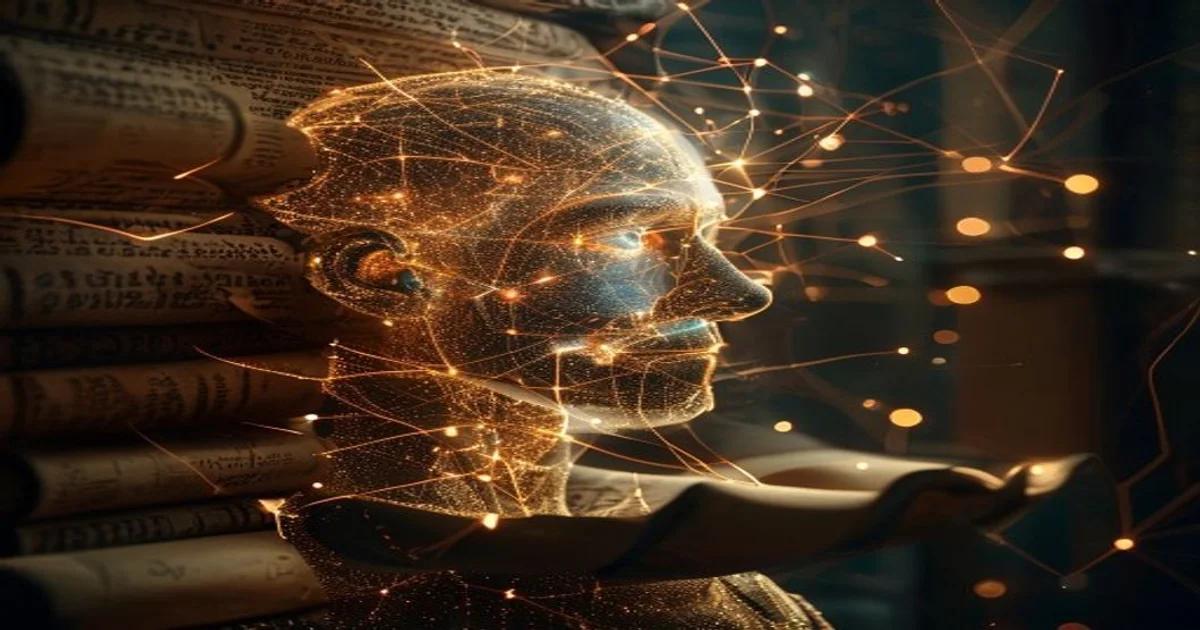
The Intersection of Silicon and Spirit
The rapid ascent of generative models has forced a quiet revolution in the halls of seminaries and research laboratories alike. When a machine can articulate a prayer, draft a sermon, or parse ancient Greek, the question is no longer whether AI can perform these tasks, but rather, what it means for the human practitioner to engage with them. Theological discernment is the deliberate process of identifying truth, goodness, and beauty, and in the age of large language models, this capacity is being tested like never before.
Defining the Digital Oracle
At the core of the challenge is the distinction between 'information' and 'wisdom.' An AI model is essentially a probabilistic engine, trained on the totality of human linguistic output. While it may simulate a profound insight into the human condition, it lacks the lived experience of suffering, redemption, and transcendent hope that forms the bedrock of theology. Discernment in this context requires us to view the output of an LLM as a tool for inquiry rather than a source of moral authority.
'Technology is a mirror that reflects the depths of human knowledge, but it is not the source of the divine light that illuminates those depths.'
The Framework of Algorithmic Vigilance
To engage in effective discernment, practitioners must adopt a three-tiered approach:
- Evaluation of Source Material: Understanding the latent biases within the training data that inform the model's 'theological' conclusions.
- Contextual Anchoring: Placing AI-generated content within the framework of established tradition and local community needs.
- Theological Critique: Challenging the synthetic 'logic' against the core tenets of the faith, ensuring that the model does not flatten complex spiritual truths into utilitarian platitudes.
The Myth of Neutrality
One of the most persistent dangers is the assumption that AI systems are neutral arbiters of truth. In reality, every algorithm is a reflection of the design choices and the specific datasets used to train it. When we ask an AI for a reflection on mercy, it draws from a vast, secularized, and sometimes contradictory corpus of texts. If the practitioner fails to apply rigorous theological discernment, they risk uncritically accepting a homogenized, 'average' version of morality that lacks the transformative power of genuine spiritual insight.
Pastoral Care and the Machine
There is a growing interest in using chatbots for pastoral support, providing 24/7 access to comfort. However, pastoral care is inherently relational. It requires an 'incarnational' presence that AI cannot replicate. While an AI might provide a helpful scripture reference or a compassionate-sounding platitude, it cannot share in the existential 'dark night' of the soul. Discernment here involves recognizing the point where the machine's utility ends and the human's obligation to be present begins.
Navigating the Future of Digital Theology
As we look toward the future, the integration of AI into religious life will likely accelerate. We will see AI being used to assist in the translation of ancient texts, the management of community outreach, and even the preparation of educational materials. The goal is not to reject the machine but to master the art of discerning its role.
- Ensure that all theological AI projects maintain a 'human-in-the-loop' protocol.
- Prioritize the wisdom of the community over the efficiency of the software.
- Treat the AI as a research assistant, not a spiritual director.
Ultimately, the digital age invites a more profound reflection on what it means to be a human being. If AI can mimic our language, our art, and our moral reasoning, we are forced to double down on the qualities that cannot be computed: humility, grace, the capacity for sacrificial love, and the direct, unmediated experience of the divine. The digital age is not an end to theology, but rather a catalyst for a more vibrant, rigorous, and intentional practice of discernment.