
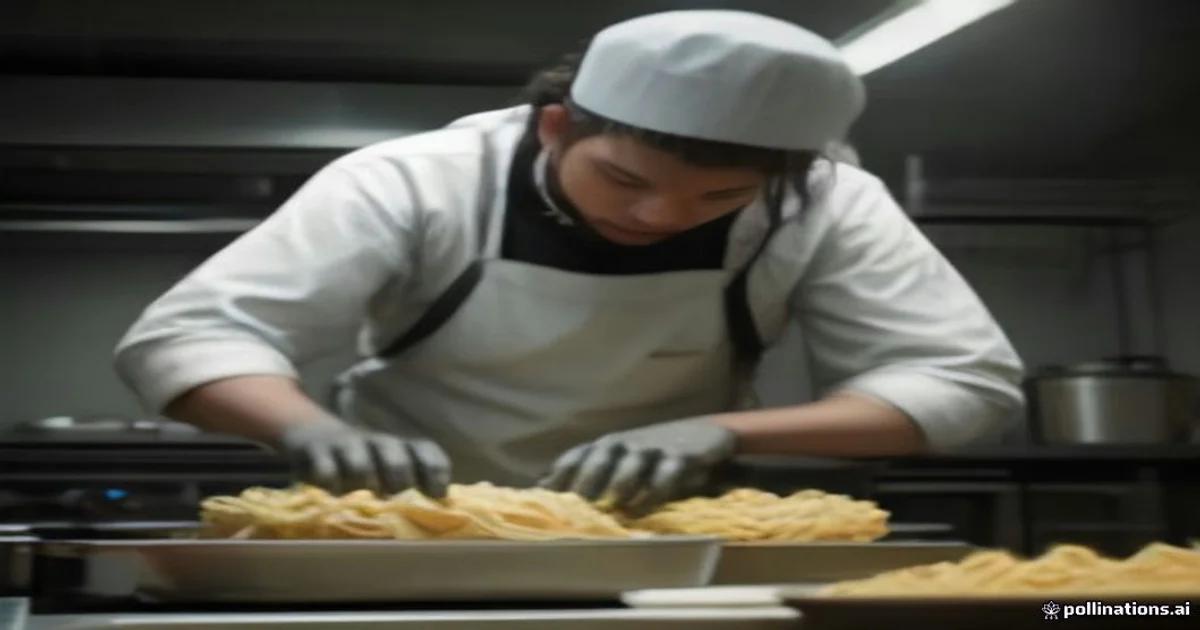
The Intersection of Heritage and Algorithms
The culinary world stands at a crossroads where centuries-old traditions meet the relentless march of digital progress. AI-driven adaptive culinary authenticity is not merely about robots cooking food; it is about leveraging data science to preserve the intangible cultural heritage of cooking while allowing for the necessary flexibility required by modern supply chains and dietary shifts. By utilizing machine learning models trained on vast datasets of regional recipes, historians and chefs can now reconstruct long-lost flavor profiles with unprecedented precision.
Defining Adaptive Authenticity
Authenticity has long been viewed as a static target—a recipe etched in time. However, true culinary authenticity is dynamic, constantly evolving alongside the availability of local ingredients and evolving environmental conditions. AI acts as a steward of this evolution, ensuring that when an 'authentic' dish is prepared with seasonal substitutions, the structural integrity and flavor balance remain true to the original ethos. This is achieved through complex neural networks that analyze chemical compounds, texture profiles, and historical cooking methods.
'Authenticity is the sum of cultural evolution, and AI provides the cognitive framework to manage that evolution without losing the soul of the dish.'
The Role of Precision Automation in the Kitchen
Precision is the bedrock of consistency. In professional kitchens, human error often leads to fluctuations in quality. AI-driven systems monitor temperature, humidity, and chemical reactions in real-time, ensuring that a sous-vide process or an open-flame sear meets the exact parameters defined by traditional mastery.
- Ingredient Traceability: AI algorithms map the entire lifecycle of an ingredient from soil to plate, ensuring authenticity isn't just about taste but about the provenance of the food itself.
- Molecular Mapping: By understanding the molecular structure of ingredients, AI can suggest replacements that maintain the 'authentic' experience when traditional ingredients are unavailable due to climate or seasonal scarcity.
- Predictive Flavor Synthesis: Machines can now predict how traditional spices interact with modern produce, facilitating the creation of dishes that respect regional traditions while catering to current sustainability goals.
Preserving Cultural Legacy through Data
One of the most profound applications of this technology is the digitization of oral history. Many traditional recipes are passed down through storytelling or muscle memory, which is prone to degradation over generations. By utilizing LLMs to synthesize ethnographic research, AI can formalize these ephemeral traditions into codified, replicable standards. This ensures that the essence of a culture's foodways remains accessible to future generations.
Challenges in the Digital Kitchen
The implementation of these systems is not without controversy. Critics argue that digital intervention strips the 'human touch' from cooking, which many believe is an essential component of culinary authenticity. However, proponents argue that the human touch is not replaced but augmented. When a chef is freed from the mundane aspects of consistency management, they are empowered to focus entirely on the creative and emotional aspects of the craft.
The Future of Smart Gastronomy
As we move forward, we expect to see a convergence of bio-sensing and culinary automation. Imagine a smart dining interface that reads a diner's physiological needs and suggests a meal that is both culturally authentic and nutritionally optimal. This is the next frontier of adaptive authenticity—where the meal is a bespoke experience that honors the past while serving the future. The integration of sensors and AI will allow for a feedback loop where every plate served teaches the system more about how to refine the art of regional cooking. We are transitioning into an era where technology preserves the very traditions it once threatened to displace.