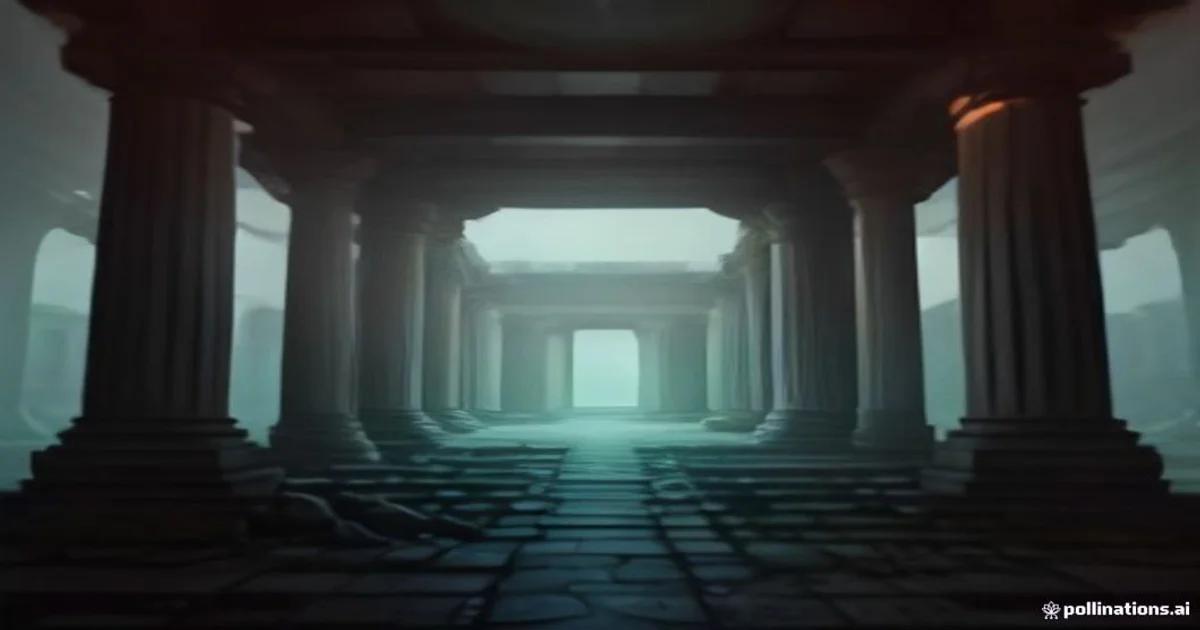
The Convergence of Antiquity and Innovation
Preserving cultural heritage has historically been a reactive, labor-intensive, and often destructive process. For centuries, physical intervention was the only way to arrest the decay of monuments. However, as environmental stressors and human-induced damage accelerate, the field is undergoing a paradigm shift through AI-Driven Adaptive Heritage Preservation. This approach utilizes Machine Learning, computer vision, and predictive analytics to move from static conservation to dynamic, proactive guardianship.
The Role of Predictive Analytics in Structural Stability
One of the most significant challenges in heritage conservation is anticipating structural failure before it becomes irreversible. Traditional engineering inspections are limited by human capacity and the inherent risks of accessing fragile zones. AI models now ingest centuries of meteorological data, structural blueprints, and material composition statistics to predict decay vectors. By utilizing Deep Learning algorithms, these systems identify hairline fractures or micro-environmental stressors invisible to the naked eye.
'The integration of predictive AI transforms heritage management from a cycle of crisis intervention to a model of perpetual, preventative care.'
Digital Twins and Immersive Restoration
The creation of digital twins—hyper-accurate 3D models of physical structures—acts as a sandbox for conservationists. Before a single stone is moved or a chemical sealant applied, teams use AI to simulate the long-term impact of restorative interventions. These simulations account for variable lighting, humidity, and seismic activity, ensuring that the chosen methods are truly adaptive and non-destructive. This level of 'Digital Transformation' allows us to test scenarios that were previously impossible to model.
Robotics and Precision Intervention
When manual labor is required, precision is paramount. Robotic systems, often equipped with LiDAR and specialized sensors, can perform delicate repairs that would threaten a human worker's safety or damage the monument. These robots are programmed to mimic traditional craftsmanship while applying modern chemical stabilization techniques. This synergy between human knowledge and automated precision represents a new era in the field.
Challenges and Ethical Considerations
While the technological potential is vast, the ethics of AI in preservation remain a critical discussion point.
- Algorithmic Bias: Can AI accurately interpret the cultural significance of a structure without historical bias?
- Data Sovereignty: Who owns the digital twin of a national heritage site?
- Authenticity: At what point does an AI-reconstructed monument lose its historical integrity?
As we integrate these systems, we must ensure that the 'human in the loop' remains the final arbiter of cultural values. The goal is not to replace the conservator, but to provide them with a set of 'super-senses' that allow for a deeper understanding of the past.