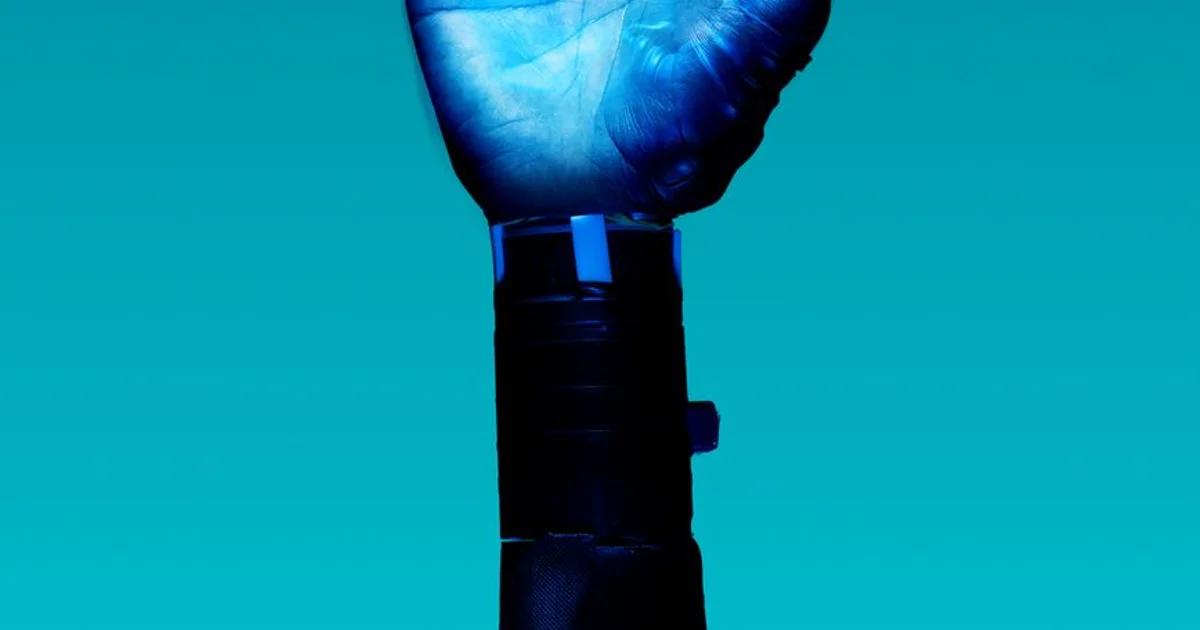
The Convergence of Biology and Silicon
The landscape of restorative medicine is undergoing a profound metamorphosis. For decades, prosthetic devices were largely static, passive tools designed to mimic mechanical function without addressing the nuanced requirements of the human nervous system. Today, AI-driven adaptive prosthetic calibration marks a transition toward fully integrated bionic systems. By leveraging machine learning and advanced sensor arrays, these devices now interpret the user's intent with unprecedented accuracy.
The Mechanics of Adaptive Calibration
Traditional prosthetics required manual adjustment sessions with a clinician—a process that is often time-consuming and inherently reactive. In contrast, adaptive systems employ Deep Learning to create a living map of the user's biomechanics. As the user walks, lifts objects, or navigates uneven terrain, the onboard software monitors the pressure, velocity, and orientation of the limb. This data is fed into a localized neural network that adjusts the device’s torque and resistance in milliseconds.
'The goal is not to mimic human movement perfectly, but to create a symbiotic feedback loop where the prosthetic learns to anticipate the user's next step before it happens.'
Neural Signal Processing
At the core of this innovation is the ability to bridge the gap between human intention and mechanical execution. Surface electromyography (sEMG) sensors placed on the skin capture the electrical signals emitted by the residual muscles. These signals are often noisy and fragmented, but modern algorithms excel at pattern recognition. By applying sophisticated signal processing, the AI filters out interference to identify the specific intent—such as the desire to rotate a wrist or plant a foot securely. Once identified, the adaptive calibration layer refines these movements to suit the specific environment.
The Role of Environmental Sensing
Modern adaptive limbs are also equipped with environmental sensors, including gyroscopes, accelerometers, and even computer vision cameras. These inputs allow the prosthetic to perform 'context-aware' calibration. For instance, when the AI detects an incline, it automatically shifts the prosthetic's gait cycle, adjusting the stiffness of the knee or the tension in the ankle to provide maximum stability. This proactive response reduces the 'cognitive load' on the user, as they no longer need to consciously focus on every step.
Advancing Beyond Passive Design
To understand why this is a revolutionary leap, we must look at the historical failures of passive prosthetic design. Historically, users experienced significant gait asymmetries, leading to long-term chronic pain in the lower back, hips, and healthy limbs. Because passive devices could not adapt to changing terrain, users were constantly forced to overcompensate. Adaptive calibration addresses this by:
- Dynamic Impedance Control: Modulating the joint's resistance based on the walking speed.
- Energy Harvesting Optimization: Maximizing battery life by using the natural pendulum motion of the gait.
- User-Specific Profiling: Creating a digital twin of the user's natural limb behavior to harmonize movement.
Data-Driven Personalization
One of the most significant advantages of AI-driven systems is the ability to perform 'over-the-air' (OTA) updates. Through a mobile companion app, the prosthetic can sync its performance data with a cloud-based server. Clinicians can then review the anonymized usage patterns to refine the machine learning model. If a particular user is struggling with stair descent, the system can download a customized firmware patch that recalibrates the ankle's breaking force specifically for their gait style.
Security and Ethical Considerations
As these devices become increasingly connected, the discussion shifts toward cybersecurity and data privacy. A prosthetic limb collecting biometric data represents a unique class of sensitive information. Protecting the neural pathways from unauthorized access or malicious interference is paramount. Future iterations will require robust encryption protocols that ensure the connection between the neural interface and the robotic limb remains secure against external threats.
Toward a Seamless Future
The future of prosthetics lies in the complete removal of the 'interface gap.' Researchers are currently testing fully embedded sensors that provide haptic feedback directly to the peripheral nerves. When combined with AI-driven calibration, this means the user will not only control the prosthetic as if it were their biological limb but will also 'feel' the texture and pressure of the objects they touch. This closed-loop system is the pinnacle of current robotics development.
Overcoming Challenges in Implementation
Despite the clear benefits, mass adoption remains hindered by the high cost of components and the complexity of the neural calibration process. However, as the AI chips become more efficient and the cost of sensor arrays drops, we expect to see a democratization of these technologies. The integration of high-performance processing units into lighter, more durable carbon-fiber frames is a testament to the pace of modern hardware innovation.
Conclusion: The Path Forward
AI-driven adaptive prosthetic calibration is more than just a technological curiosity; it is a fundamental pillar of human augmentation. By allowing the machine to learn from the human rather than forcing the human to adapt to the machine, we are witnessing a new era of mobility. As these algorithms mature, we will likely see prosthetics that are not only smarter but also more intuitive, effectively dissolving the boundary between the artificial and the organic.