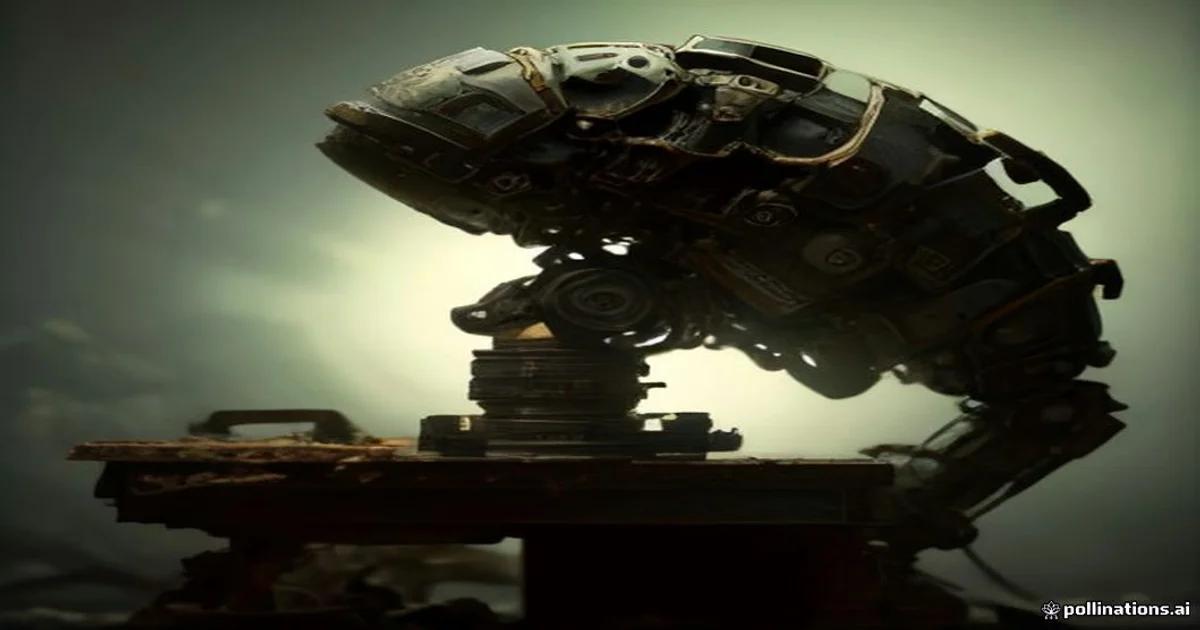

The Dawn of AI-Driven Aesthetic Augmentation
The intersection of artificial intelligence and aesthetics marks a profound shift in how we perceive, create, and interact with beauty. AI-driven aesthetic augmentation is no longer a futuristic fantasy; it's a rapidly evolving reality that is democratizing creative expression, pushing artistic boundaries, and personalizing our visual experiences in unprecedented ways. This technology leverages sophisticated algorithms, particularly from the realm of Generative AI and Machine Learning, to assist, enhance, and even autonomously generate aesthetic outputs. From breathtaking visual art and innovative design concepts to hyper-personalized fashion and virtual environments, AI is becoming an indispensable partner in the pursuit of beauty.
Understanding Aesthetic Augmentation
Aesthetic augmentation, in its broadest sense, refers to the enhancement or modification of sensory experiences, particularly visual ones, to achieve a desired aesthetic outcome. Traditionally, this involved human skill, intuition, and extensive practice. However, AI-driven augmentation introduces a new paradigm. It involves using AI models to analyze vast datasets of existing aesthetic information – art, design principles, color theory, composition, and even emotional responses to visual stimuli – to learn patterns, styles, and preferences. This learned knowledge can then be applied in various ways:
- Assisted Creation: AI tools can suggest color palettes, composition layouts, stylistic elements, or even generate initial drafts for human artists and designers to refine.
- Automated Generation: Advanced AI models can produce entirely new aesthetic content, such as unique artworks, novel product designs, or even architectural concepts, often in styles that mimic or blend existing ones, or forge entirely new visual languages.
- Personalization: AI can tailor aesthetic experiences to individual user preferences, creating personalized art, customized product designs, or adaptive virtual environments.
- Restoration and Enhancement: AI can be used to restore old artworks, enhance image quality, or even reimagine existing visual media with new aesthetic interpretations.
The Power of Generative AI in Aesthetics
Generative AI, a subset of Machine Learning focused on creating new data that resembles existing data, is at the forefront of aesthetic augmentation. Models like Generative Adversarial Networks (GANs) and diffusion models have demonstrated remarkable capabilities in generating photorealistic images, intricate patterns, and even video. These models learn the underlying distribution of their training data and can then sample from this distribution to produce novel outputs.
For instance, in visual art, AI platforms powered by Generative AI can transform simple text prompts into complex, often surreal, visual compositions. Users can describe their desired image – 'a serene landscape with a cyberpunk twist, in the style of Van Gogh' – and the AI can render it with surprising fidelity and artistic flair. This capability not only empowers individuals without traditional artistic training but also provides professional artists with a powerful tool for rapid prototyping, inspiration, and exploring unconventional ideas.
Midjourney, DALL-E, and the Creative Spark
Tools like Midjourney and OpenAI's DALL-E have become household names, showcasing the potential of text-to-image generation. These LLMs (Large Language Models) are trained on massive datasets of images and their corresponding textual descriptions, enabling them to understand the relationship between language and visual concepts. The implications for aesthetic augmentation are vast:
- Democratizing Art Creation: Anyone with an idea can now potentially bring it to visual life, breaking down barriers to entry in the art world.
- Accelerating Design Cycles: Designers can quickly generate multiple visual concepts for products, branding, or interfaces, speeding up the iterative design process.
- Exploring New Art Forms: AI-generated art challenges traditional notions of authorship and creativity, opening up new avenues for artistic exploration and commentary.
- Personalized Visual Content: Businesses can generate unique marketing visuals, game developers can create bespoke assets, and individuals can commission personalized digital art.
AI in Design and Product Development
Beyond fine art, AI-driven aesthetic augmentation is revolutionizing industrial design, architecture, fashion, and user interface (UI) design. AI algorithms can analyze ergonomic data, material properties, manufacturing constraints, and user feedback to propose designs that are not only aesthetically pleasing but also functional, sustainable, and optimized for production.
In architecture, AI can generate building designs that respond to environmental factors like sunlight and wind, optimize spatial layouts for efficiency, and explore novel structural forms. In product design, AI can iterate through thousands of design variations for an object, optimizing for aesthetics, performance, and material usage. For example, AI has been used to design lighter, stronger bicycle frames or more aesthetically pleasing and ergonomic car interiors.
UI/UX and Personalized Interfaces
The field of UI/UX design is also benefiting immensely. AI can analyze user behavior, preferences, and task flows to dynamically generate or adapt interface elements. This leads to more intuitive, engaging, and personalized user experiences. Imagine an app that subtly changes its color scheme or layout based on your mood or the time of day, or a website that personalizes its visual presentation to match your browsing history and aesthetic tastes. This level of customization was previously unimaginable and is made possible by AI's ability to process complex user data and generate tailored visual outputs.
Fashion and Personal Expression
The fashion industry is another fertile ground for AI-driven aesthetic augmentation. From predicting trends and designing new garments to offering personalized styling advice and even creating virtual try-on experiences, AI is reshaping how we interact with clothing and personal style.
AI algorithms can analyze vast amounts of fashion data – runway shows, street style photography, social media trends, and sales data – to identify emerging patterns and predict future trends with remarkable accuracy. This information can guide designers in creating collections that are not only stylish but also commercially viable.
Furthermore, AI can assist in the design of unique textiles and patterns. Generative AI models can create novel fabric designs that are complex, intricate, and unlike anything seen before. These designs can then be digitally printed onto fabrics, allowing for highly customized and on-demand fashion production.
On a more personal level, AI-powered styling apps can offer tailored recommendations based on a user's existing wardrobe, body shape, personal style, and the occasion. Some advanced systems can even generate virtual outfits or suggest modifications to existing clothes to enhance their aesthetic appeal. The ultimate goal is to empower individuals to express themselves more authentically and creatively through their fashion choices.
Ethical Considerations and the Future of Creativity
As AI-driven aesthetic augmentation becomes more sophisticated, critical ethical questions arise. The issue of authorship is paramount: who owns the copyright to AI-generated art? Is it the AI model, the developers, or the user who provided the prompt? Current legal frameworks are struggling to keep pace with these advancements.
There are also concerns about the potential for AI to devalue human creativity or lead to a homogenization of artistic styles if models are trained on biased or limited datasets. The risk of misuse, such as generating deepfakes or perpetuating harmful stereotypes through biased visual outputs, is also a significant concern.
>
It is crucial that the development and deployment of AI in aesthetics are guided by strong ethical principles, ensuring transparency, fairness, and respect for human creators. Collaboration between AI developers, artists, designers, ethicists, and policymakers will be essential to navigate these challenges.
Looking ahead, the future of aesthetic augmentation promises even more immersive and interactive experiences. We can anticipate AI-generated virtual worlds that adapt in real-time to user presence and preferences, personalized soundtracks that complement visual experiences, and even AI assistants that help us curate our physical environments. The lines between creator and consumer, real and virtual, and human and machine intelligence will continue to blur, leading to a new era of augmented aesthetics.
AI-Driven Aesthetic Augmentation: A Summary
AI-driven aesthetic augmentation is revolutionizing how we create, consume, and appreciate beauty. By leveraging the power of Machine Learning and Generative AI, these technologies offer:
- Democratization of Creativity: Lowering barriers for artistic expression and design.
- Enhanced Human Potential: Augmenting, not replacing, human artists and designers.
- Personalized Experiences: Tailoring visual content and environments to individual tastes.
- Novel Artistic Frontiers: Creating entirely new art forms and aesthetic possibilities.
- Efficiency and Innovation: Accelerating design cycles and driving innovation across industries.
The journey is ongoing, and the implications are profound. As AI continues to evolve, its role in shaping our aesthetic landscape will undoubtedly expand, offering new tools, possibilities, and challenges for creators and consumers alike. The ability of AI to learn, adapt, and generate is unlocking unprecedented avenues for aesthetic exploration, promising a future where beauty is more accessible, personalized, and dynamically generated than ever before.