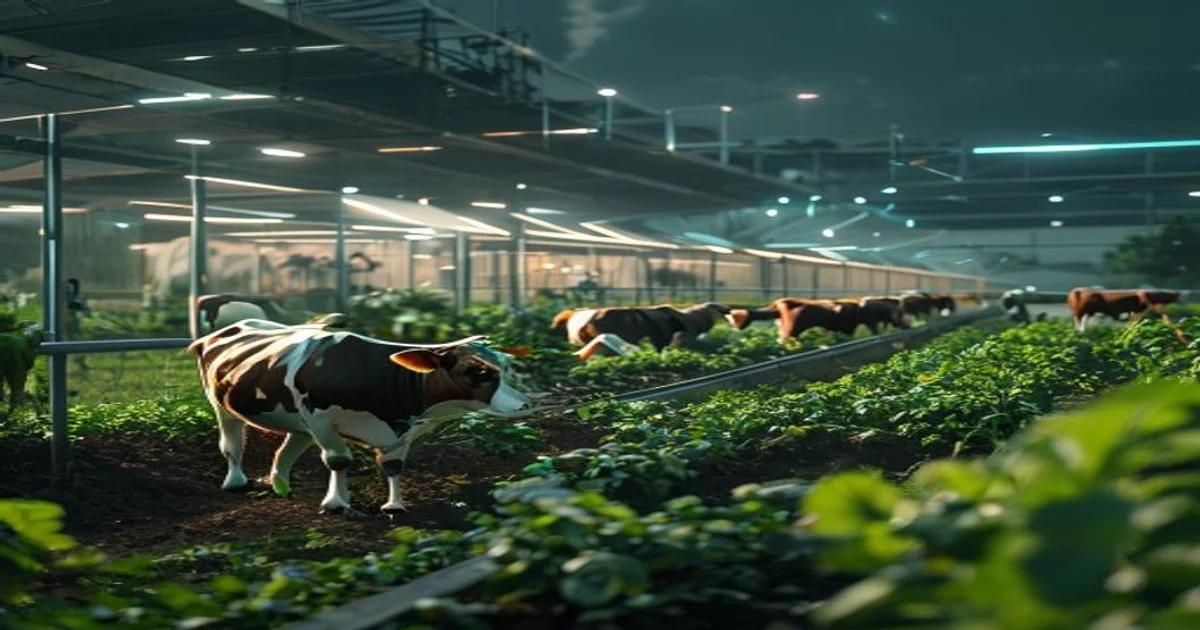
The Dawn of Precision Livestock Farming
The integration of artificial intelligence into the agricultural sector has heralded a new era of productivity and animal welfare. Livestock health surveillance, once a process defined by manual visual inspection and reactive veterinary care, is undergoing a profound digital transformation. By deploying sophisticated sensor networks and machine learning models, farmers can now monitor the well-being of their animals with unprecedented granularity.
The Mechanics of Intelligent Monitoring
Modern surveillance systems utilize a multi-modal approach to data collection. Wearable devices, similar to consumer-grade smartwatches, are attached to cattle as ear tags or collars. These devices house tri-axial accelerometers, gyroscopes, and temperature sensors that feed continuous streams of data into cloud-based platforms. These systems analyze:
- Rumination Patterns: Changes in chewing frequency often signal digestive issues or early-stage infections.
- Mobility Metrics: Gait analysis can detect early signs of lameness before they become clinically apparent.
- Temperature Anomalies: Subtle shifts in body temperature provide a baseline for identifying fevers long before physical symptoms manifest.
'The shift from reactive to proactive care is the most significant development in veterinary medicine this decade.' - Leading Agricultural Technologist
Leveraging Advanced Algorithms for Prediction
Once the raw data reaches the central server, advanced algorithms process the information to distinguish between normal behavioral shifts and pathological abnormalities. By establishing a 'digital twin' of each animal, AI models learn the unique baseline behavior of every individual in the herd. This personalization ensures that the system triggers an alert only when a specific animal deviates from its own established patterns, significantly reducing the 'alert fatigue' often found in simpler monitoring technologies.
Enhancing Global Food Security
The impact of these systems extends beyond the individual farm. With global food demand projected to rise, the ability to maintain healthy herds is critical. By reducing the incidence of disease, farmers minimize the loss of livestock and ensure a more stable supply chain. Furthermore, precise health monitoring allows for targeted administration of medication, reducing the overuse of antibiotics and contributing to the fight against antimicrobial resistance.
Challenges and Ethical Considerations
While the promise is vast, the implementation of AI-driven livestock systems is not without its hurdles. Data connectivity in rural environments remains a significant barrier to the adoption of cloud-based systems. Additionally, the investment costs for sensors and software can be prohibitive for small-scale operations. Ethical concerns regarding data ownership and the potential for algorithmic bias in animal welfare standards also require careful consideration as the technology matures.
Future Trends in Automated Animal Care
As neural networks become more efficient, we expect to see the rise of computer vision systems that require no wearable hardware. Cameras mounted in barns will use deep learning to analyze posture, body condition scoring, and social interactions. This contactless approach will further decrease the stress on animals while providing even richer data sets for farmers. Furthermore, integrating these surveillance systems with autonomous robotic feeders and sorting gates will create a truly autonomous farming ecosystem.
Conclusion: The Path Forward
AI-driven livestock health surveillance is not just a technological luxury; it is a fundamental shift in how we relate to our food sources. By putting the health of the individual animal at the center of the management process, we create a more resilient, sustainable, and productive agricultural future. As hardware costs decrease and software capabilities expand, the integration of intelligent monitoring will become the standard rather than the exception.