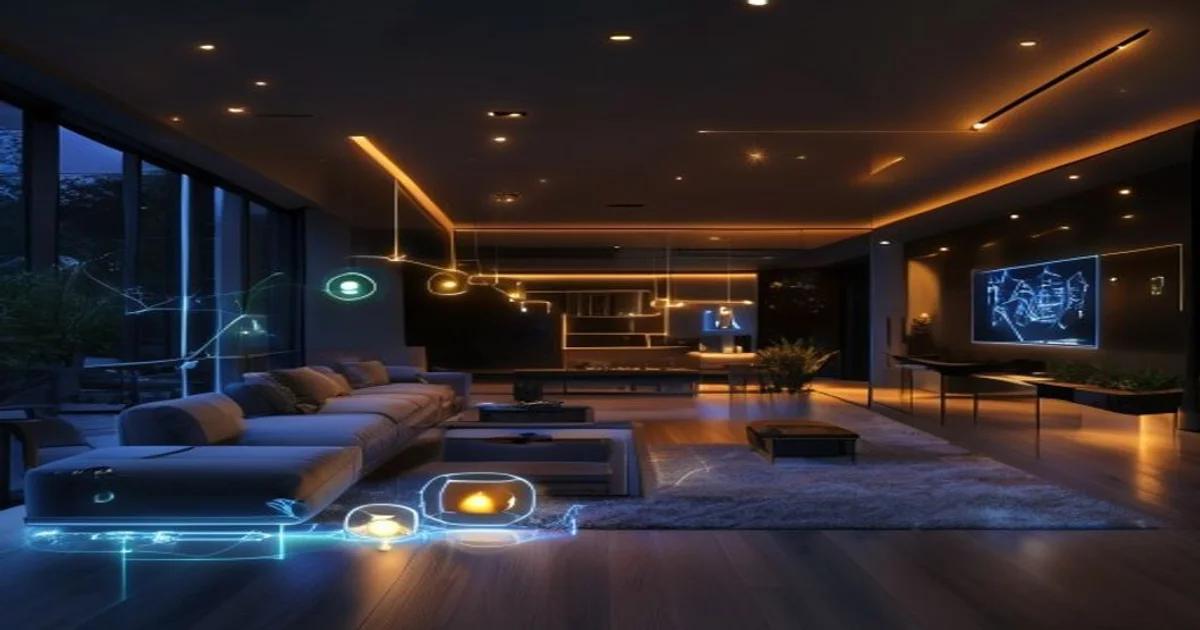
The Dawn of Intelligent Consumption
The intersection of artificial intelligence and home energy management represents a paradigm shift in how we perceive domestic utility consumption. Traditionally, energy efficiency was a passive pursuit, reliant on manual interventions like setting thermostats or remembering to switch off lights. Today, AI-driven personal energy efficiency turns the home into a living, learning organism that reacts to the nuances of daily life.
The Mechanics of Predictive Analytics
At the heart of these systems lie complex Machine Learning models that ingest massive datasets generated by smart meters and IoT sensors. By analyzing historical usage patterns, these systems can predict demand surges before they occur.
'The goal is to transition from reactive energy management to a state of predictive harmony where energy is supplied exactly when and where it is needed, without waste.'
Optimizing HVAC and Climate Control
Heating, ventilation, and air conditioning (HVAC) systems are typically the largest consumers of residential energy. AI integration changes this by:
- Learning the thermal properties of individual rooms.
- Adjusting temperatures based on local weather forecasts and occupant proximity.
- Reducing energy draw during peak pricing hours while maintaining optimal comfort levels.
Data-Driven Decision Making at Home
Modern households are becoming increasingly complex ecosystems of connected devices. Without centralized oversight, these devices often operate in silos, leading to systemic inefficiencies. AI acts as the central brain, orchestrating the interaction between appliances to ensure that energy-intensive tasks are performed when renewable energy generation—such as residential solar—is at its peak.
The Role of Edge Computing
To ensure privacy and speed, much of the processing for personal energy efficiency is performed at the 'edge.' This means the AI models run on local hardware within the home rather than relying solely on the cloud. This proximity ensures that even if internet connectivity is intermittent, the house remains 'smart' and energy-efficient.
Enhancing Appliance Longevity
Beyond mere power consumption, AI algorithms can monitor the health of appliances. By detecting anomalies in power draw, the system can alert homeowners to maintenance issues, such as a failing compressor in a refrigerator, preventing both energy waste and costly future repairs. This proactive maintenance cycle is a cornerstone of true Digital Transformation at the micro level.
Overcoming Barriers to Adoption
Despite the clear benefits, widespread adoption of these systems faces challenges, including initial implementation costs and technical literacy. However, as the ecosystem matures, we are seeing a shift toward 'plug-and-play' solutions. The cost of entry is falling, and the ROI for homeowners is becoming increasingly visible through monthly utility statement savings.
Security and Trust
When inviting an AI to manage your home's infrastructure, security is paramount. Manufacturers are increasingly utilizing robust encryption and localized data storage to ensure that consumption habits remain confidential. This focus on cybersecurity is essential for consumer confidence in an automated age.
The Societal Impact
If we scale these individual efficiencies across millions of households, the collective impact is profound. By reducing the peak load on the electrical grid, personal energy efficiency acts as a virtual power plant. This stabilizes the grid and allows for a higher penetration of intermittent renewable energy sources like wind and solar.
Toward a Sustainable Future
As we look forward, the integration of AI into our homes will only deepen. We are moving toward a future where our homes manage their own carbon neutrality, autonomously sourcing, storing, and consuming energy in the most efficient manner possible. This is not just a trend; it is a fundamental shift in our relationship with the resources we depend on for our quality of life. The path to a green planet begins with the intelligence we embed within our own walls.