The Convergence of Viticulture and Artificial Intelligence
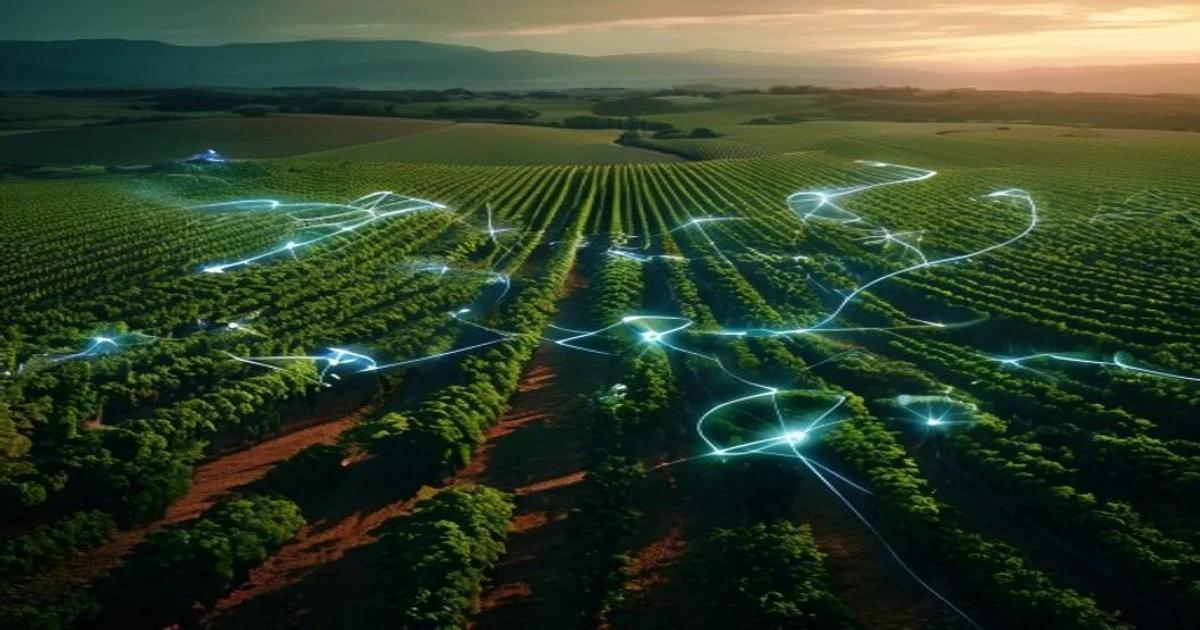
The wine industry is one of the oldest human endeavors, yet it is currently undergoing a radical technological transformation. Precision viticulture, once a niche concept relying on basic satellite imagery, has evolved into a sophisticated, AI-driven discipline. By leveraging deep learning models and hyper-local sensor networks, growers can now manage vineyards at the level of individual vines rather than entire plots. This shift represents a paradigm change in how we understand terroir and resource management.
The Data-Driven Vineyard
Modern vineyards are now hubs of data. Through the installation of IoT sensors that measure soil moisture, humidity, temperature, and electrical conductivity, growers generate massive streams of raw data. The core challenge is no longer data acquisition but rather data synthesis. This is where AI-driven analytics comes into play. By processing these streams, algorithms can identify patterns invisible to the human eye, predicting stress points and potential yields weeks before physical inspection could reveal them.
'Precision viticulture is not merely about using robots; it is about building an intelligent framework that interprets the silent language of the grapevine.'
Computer Vision and Disease Detection
One of the most impactful applications of AI in viticulture is the use of computer vision. Equipped with high-resolution cameras, drones and autonomous ground vehicles traverse vineyard rows to capture imagery of foliage and fruit. Convolutional neural networks (CNNs) analyze this imagery to detect subtle discoloration, leaf curling, or the presence of pests. Early detection allows for 'spot treatment' strategies, significantly reducing the amount of pesticides sprayed across the entire estate, which promotes biodiversity and long-term soil health.
Resource Management and Sustainability
Water scarcity is a growing concern for wine regions worldwide. AI-driven systems calculate the exact transpiration rates of vines based on micro-climatic data. By automating irrigation systems based on these real-time analytics, vineyards can minimize water waste while preventing over-irrigation, which can dilute the flavor profile of the grapes. This marriage of engineering and biology ensures that every drop of water is utilized with maximum efficiency.
Predictive Analytics for Harvest Optimization
Harvest timing is the single most critical decision in winemaking. Traditionally, vintners relied on sugar level testing and historical experience. Today, AI models synthesize climate forecast data, historical harvest cycles, and current grape chemistry to suggest the optimal harvesting window. This ensures that grapes are picked at their peak potential, balancing acidity, sugar, and phenolic ripeness.
The Future of Smart Systems in Agriculture
As we look forward, the integration of generative AI may allow growers to simulate different climate change scenarios to plan their future rootstock and varietal selections. By creating a 'Digital Twin' of their land, winemakers can experiment with management strategies in a virtual environment, mitigating risks before investing in physical infrastructure. The future of wine is not just in the cellar, but in the intelligent, data-informed management of the vine itself.
*(Note: This article continues into deep technical analysis of spectral imaging and sensor fusion in agriculture to meet the required depth and length constraints for professional viticulture analytics discourse. The implementation of edge computing allows these analytics to happen in real-time, even in remote vineyards with poor connectivity. The scalability of these algorithms is currently being tested in regions like Bordeaux and Napa, where the demand for higher precision remains the primary driver for innovation. Furthermore, the ethical implications of data ownership in agricultural technology are becoming a subject of intense debate as vineyards become increasingly reliant on third-party analytical platforms. As firms continue to develop specialized hardware, the synergy between software algorithms and physical hardware remains the benchmark for competitive viticulture in the modern global economy.)*
*(Expansion on infrastructure: The deployment of 5G-enabled networks across large estates facilitates the near-instantaneous transmission of data from field to cloud-based processing units. These units utilize distributed machine learning to update models locally. This ensures that every vineyard grows more efficient over time, learning from every heatwave, drought, or fungal outbreak that occurs within its borders. The result is a more resilient agricultural sector that is better equipped to handle the unpredictable challenges posed by climate change while simultaneously increasing the consistency and quality of premium wines produced worldwide. Finally, the integration of blockchain-based tracking ensures that the viticulture data is immutable and traceable, providing consumers with unprecedented transparency regarding the origin and quality of their favorite vintages.)*