The Dawn of Algorithmic Devotion
The integration of artificial intelligence into the sphere of religious practice has historically been met with skepticism. However, the rise of AI-driven synthetic liturgy generation marks a paradigm shift in how communities construct meaning. By leveraging advanced natural language processing, developers and theologians are now creating systems capable of generating, analyzing, and adapting liturgical structures that once required centuries of organic evolution. This process does not replace the human element of faith but rather acts as a sophisticated tool for expansion, providing practitioners with dynamic, context-aware frameworks for their spiritual journeys.
The Mechanism Behind Synthetic Liturgy
At the core of synthetic liturgy lies the use of Large Language Models (LLMs) trained on vast corpuses of sacred literature, historical prayer books, and philosophical treatises. These models function by recognizing the semantic patterns, rhythmic structures, and theological motifs that define liturgical compositions. When a user inputs a specific intention—such as a request for a funeral rite for a secular-minded individual or a meditation on technological progress—the AI generates a ceremony that adheres to traditional architectural principles while addressing the unique constraints of the moment.
- Contextual Sensitivity: The AI adjusts the tone based on the user's emotional needs.
- Theological Synthesis: It draws from multiple religious traditions to create interfaith dialogue.
- Dynamic Structure: The liturgical flow shifts in real-time based on group responses.
The Ethical Implications of Automated Ritual
One of the most pressing questions in this field involves the concept of 'spiritual authenticity.' Can a prayer generated by a series of weights and biases hold the same gravitas as one written by a human mystic? The answer likely depends on the perspective of the congregation. Critics argue that synthetic liturgy risks 'hollowing out' the depth of tradition, turning sacred rites into mere content production. Proponents, however, suggest that AI can democratize access to high-quality spiritual resources, especially for those in isolated or marginalized communities who lack access to ordained clergy.
'Technology is not a neutral vessel; it imposes its own constraints and possibilities on the message it carries. The challenge is not to avoid the digital, but to encode the sacred within it with intentionality and profound respect for the human condition.'
Bridging Tradition and Innovation
As we look to the future, the role of the theologian will evolve into that of a 'liturgical architect.' These professionals will use AI as a collaborator, vetting output for theological integrity and ensuring that the synthetic elements do not violate the core tenets of the faith. The goal is a synergistic relationship where the speed and scale of machine learning complement the wisdom and experiential depth of human practitioners.
The Future of Community Engagement
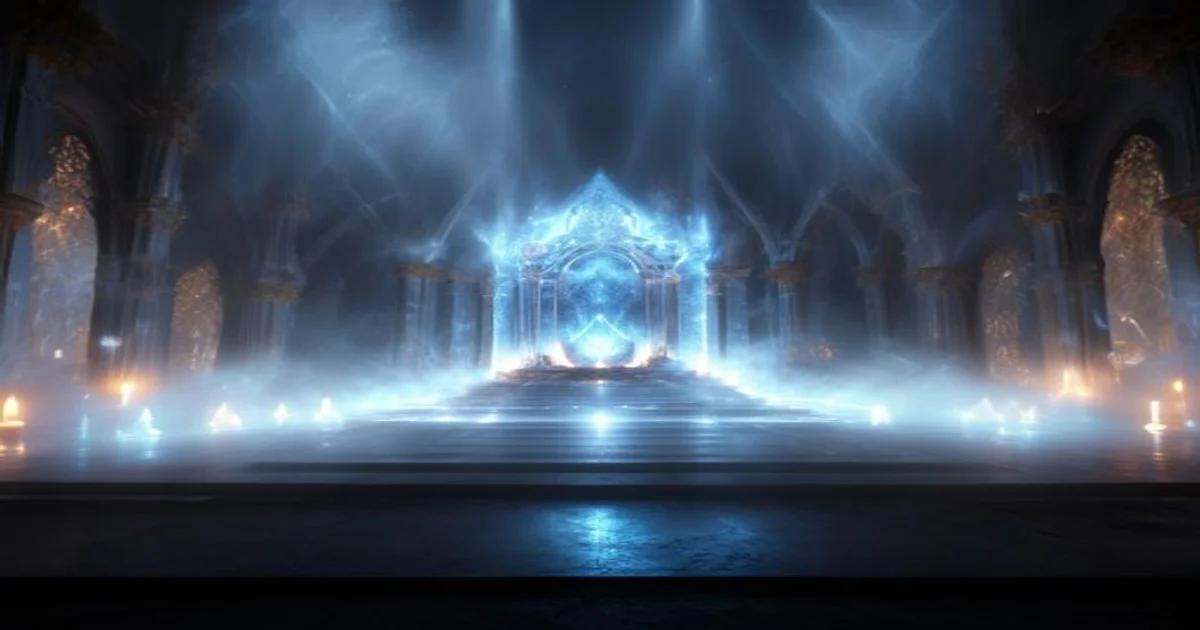
Beyond individual prayer, synthetic liturgy has the potential to revitalize collective worship. Through augmented reality interfaces, congregations can interact with liturgies that adapt their visual and auditory elements to the collective mood of the room. Imagine a sanctuary where the lighting, music, and spoken word are all synchronized by an AI that interprets the collective focus of the assembly. This level of synchronization, while futuristic, is already being explored in experimental digital-first religious communities. It is important to note that the risks regarding data privacy and the potential for algorithmic bias are significant. The development of these tools must prioritize transparency and ensure that users maintain agency over the rituals that define their lives.
Conclusion: Navigating the Digital Sacred
Synthetic liturgy is not merely a technical curiosity; it is a profound reflection of our desire to use every tool at our disposal to reach for the transcendent. Whether or not these AI-generated structures become a permanent fixture of religious life will depend on our ability to navigate the complex ethical terrain they present. As we continue to refine these algorithms, we must keep the human heart at the center of the process, ensuring that technology serves as a bridge, not a barrier, to the divine. The digital age, much like the printing press before it, offers both a threat to established orders and an opportunity for a renaissance in how we understand our role in the universe.