The Convergence of Biology and Computing
In the era of rapid environmental change, the intersection of biology and advanced computing has birthed a critical defensive layer for our planet: AI-integrated wildlife disease surveillance. By leveraging Machine Learning and deep analytical frameworks, researchers are now capable of monitoring health indicators across vast, inaccessible ecosystems in real time. This technological shift moves conservation from a reactive, manual pursuit into a proactive, data-driven science that saves species and prevents global pandemics.
The Mechanisms of Automated Monitoring
Traditional wildlife monitoring has historically relied upon field researchers performing physical counts and biological sampling—a process that is both logistically challenging and prone to significant lag. AI-integrated systems disrupt this paradigm by utilizing a multi-layered approach:
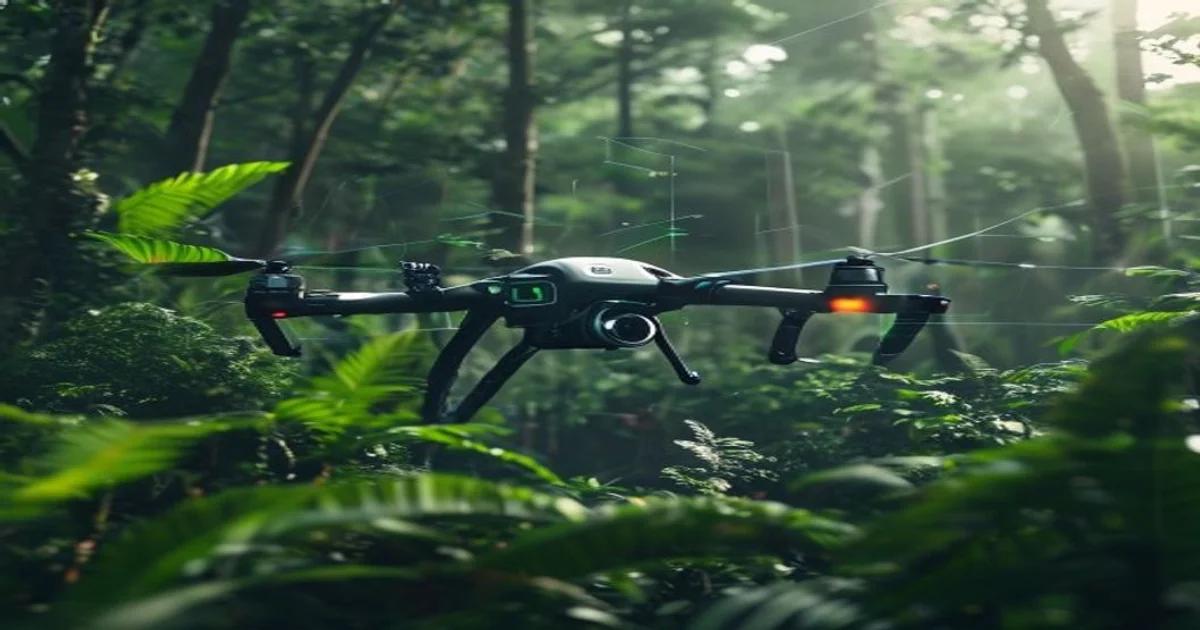
- Remote Sensing Platforms: Deploying autonomous drones equipped with multispectral cameras to identify stressed vegetation or unusual animal gatherings.
- Acoustic Intelligence: Using neural networks to process thousands of hours of audio, identifying subtle changes in vocalization patterns that correlate with illness or environmental distress.
- Camera Trap Analytics: Real-time image recognition software that scans millions of photos from motion-activated traps to classify species health, body condition, and physical signs of disease.
'The integration of artificial intelligence into field biology is not merely a tool for efficiency; it is an essential evolution in our ability to safeguard the silent sentinels of our biosphere,' notes leading conservation technologists.
Predicting Spillover Events
One of the most profound benefits of AI in this sector is its ability to map potential zoonotic spillover. Zoonotic diseases—pathogens that jump from animals to humans—often originate in remote areas where wildlife and human encroachment intersect. By feeding long-term ecological data, climate patterns, and movement vectors into predictive models, AI systems can generate 'risk heatmaps.'
These models allow health organizations to deploy resources to specific high-risk zones, vaccinating animals or implementing buffer zones before an outbreak can cascade into human populations. The precision afforded by these systems reduces unnecessary human-wildlife conflict and optimizes the allocation of medical supplies in developing nations.
Overcoming Data Silos
Wildlife disease surveillance has long suffered from the lack of interoperability between different research institutions. AI-driven platforms act as central hubs, ingesting disparate data streams and normalizing them into a single, actionable format. Through the application of advanced algorithms, these systems detect patterns that would be invisible to the human eye, such as a slow, creeping decline in a specific amphibian population across multiple continents that might indicate a burgeoning fungal crisis.
The Role of Neural Networks in Biosecurity
Neural networks have become the backbone of diagnostic automation. In the context of wildlife, these systems are trained on massive datasets of healthy vs. diseased animal behaviors. When an animal exhibits a gait deviation, an unusual resting cycle, or a change in social distancing behavior, the AI flags the individual for closer investigation. This approach to 'behavioral surveillance' avoids the stress and danger associated with physically handling wild creatures for testing.
Ethical and Logistical Considerations
While the promise of AI in conservation is immense, it brings forth a series of ethical considerations. Data privacy for wildlife habitats, the potential for poachers to exploit open-access tracking data, and the risk of over-reliance on technology are all active debates within the scientific community. To mitigate these risks, developers are creating 'privacy-preserving AI,' which anonymizes location data while keeping health insights accessible to authorized global health organizations.
Future Trajectory
Looking forward, the maturation of AI chips and edge computing will allow for even more localized surveillance. Soon, smart collars and IoT tags will process data directly on the animal, sending only critical alerts via satellite to researchers. This 'on-device' intelligence drastically reduces the energy consumption required for data transmission, allowing for longer battery life and less human intervention in fragile habitats. We are witnessing the beginning of a truly connected natural world, where AI acts as a digital immune system for the planet.