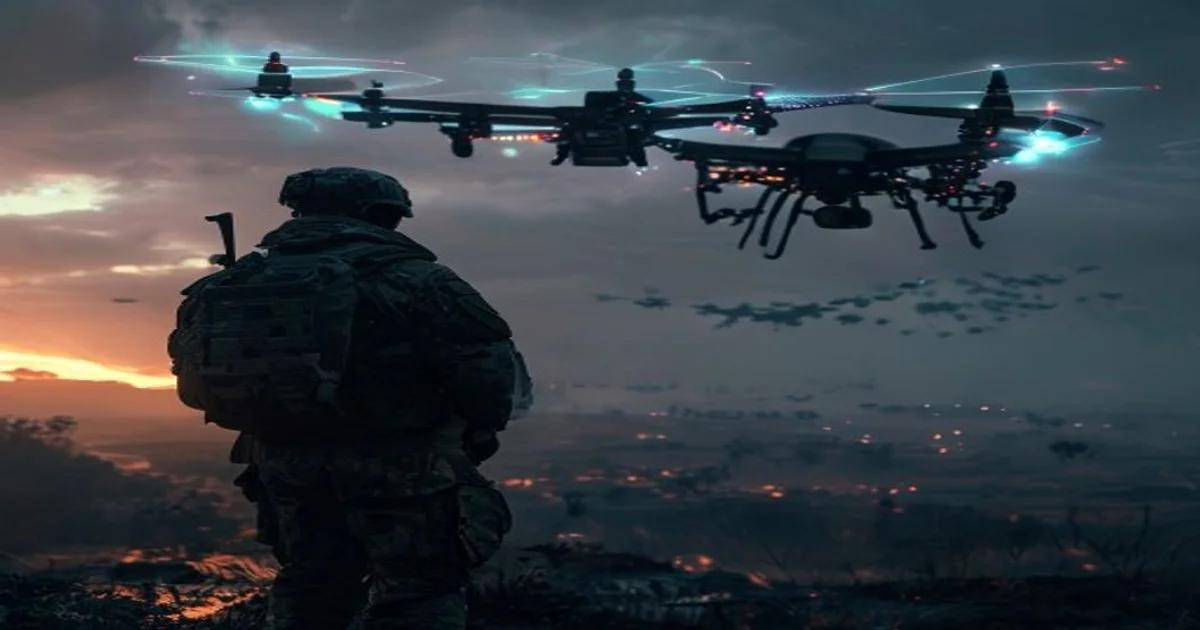
The Unfolding Ethical Landscape of Military AI
The integration of Artificial Intelligence (AI) into military operations represents one of the most profound technological shifts in modern history. From enhanced surveillance and logistics to sophisticated battlefield management and the development of autonomous weapon systems, AI promises to revolutionize warfare. However, this rapid advancement is not without its significant ethical challenges. The very notion of machines making life-or-death decisions on the battlefield thrusts humanity into uncharted ethical territory, demanding careful consideration, robust debate, and international consensus. This article delves into the multifaceted ethical dimensions of military AI, exploring key concerns, potential consequences, and the urgent need for governance.
Defining Military AI and its Scope
Before delving into the ethical quagmires, it's crucial to understand what constitutes AI in a military context. AI refers to systems capable of performing tasks that typically require human intelligence, such as learning, problem-solving, perception, and decision-making. In the military, this encompasses a broad spectrum of applications:
- Intelligence, Surveillance, and Reconnaissance (ISR): AI algorithms can analyze vast amounts of data from sensors, drones, and satellites to identify patterns, detect threats, and provide real-time situational awareness.
- Logistics and Maintenance: Predictive AI can optimize supply chains, forecast equipment failures, and streamline maintenance schedules, improving operational efficiency.
- Cyber Warfare: AI is increasingly used to detect and respond to cyber threats, as well as to develop and deploy offensive cyber capabilities.
- Command and Control: AI systems can assist commanders by processing complex battlefield information, suggesting courses of action, and managing troop deployment.
- Robotics and Autonomous Systems: This is perhaps the most contentious area, involving unmanned vehicles (drones, tanks, submarines) that can operate with varying degrees of autonomy, including the capacity to select and engage targets.
The Specter of Lethal Autonomous Weapons Systems (LAWS)
The most significant ethical flashpoint surrounding military AI is the development and potential deployment of Lethal Autonomous Weapons Systems (LAWS), often referred to as 'killer robots'. LAWS are defined as weapons that can, once activated, search for, identify, select, and engage targets without further human intervention. The implications are staggering:
- Loss of Meaningful Human Control: Critics argue that delegating the decision to take a human life to a machine fundamentally erodes human dignity and moral agency. The argument posits that only humans possess the moral reasoning capacity to make such irreversible decisions.
- The Accountability Gap: If an autonomous weapon commits a war crime, who is responsible? Is it the programmer, the commander who deployed it, the manufacturer, or the machine itself? Establishing clear lines of accountability in the event of an unlawful act by a LAWS is a significant legal and ethical hurdle.
- Lowering the Threshold for Conflict: Some experts worry that the perceived reduction in risk to one's own forces through the use of autonomous weapons could make states more willing to engage in conflict.
- Escalation Risks: The speed at which AI systems operate could lead to rapid, unintended escalation of conflicts, as machines react to each other faster than humans can intervene or de-escalate.
- Discrimination and Proportionality: Can an AI truly distinguish between combatants and civilians in complex, chaotic environments? Can it make nuanced proportionality assessments, weighing military advantage against potential civilian harm, as required by international humanitarian law?
'The fundamental question is not whether machines can kill, but whether they *should* be authorized to do so without direct human command and control.'
Ethical Considerations Beyond LAWS
While LAWS often dominate the headlines, other ethical considerations pertaining to military AI are equally pressing:
- Bias in Algorithms: AI systems are trained on data. If this data reflects historical biases, the AI may perpetuate or even amplify those biases. In a military context, this could lead to discriminatory targeting or unfair risk assessments.
- Transparency and Explainability (XAI): Many advanced AI systems, particularly deep learning models, operate as 'black boxes'. Understanding *why* an AI made a particular decision can be incredibly difficult. This lack of transparency is problematic for trust, debugging, and accountability.
- Human-Machine Teaming: As AI becomes more integrated into military operations, the nature of human-machine collaboration changes. Ethical questions arise regarding over-reliance on AI, the potential deskilling of human operators, and ensuring that human judgment remains paramount in critical situations.
- The Arms Race: The pursuit of military AI superiority could trigger a new global arms race, potentially destabilizing international security and diverting resources from other pressing global needs.
- Data Privacy and Surveillance: AI-powered surveillance technologies raise significant concerns about privacy, both for enemy combatants and potentially for civilian populations in conflict zones or under occupation.
Navigating the Path Forward: Regulation and Governance
The ethical challenges posed by military AI necessitate a proactive and collaborative approach to governance. Several key avenues are being explored:
- International Treaties and Norms: Many advocate for a new international treaty to ban or strictly regulate LAWS, similar to treaties on chemical and biological weapons. However, achieving consensus among nations with differing strategic interests is a formidable challenge.
- Defining 'Meaningful Human Control': Establishing clear, universally accepted definitions and operational standards for 'meaningful human control' over weapon systems is paramount. This involves determining the necessary level of human involvement in targeting decisions.
- Ethical Frameworks and Guidelines: Militaries and defense organizations are developing internal ethical frameworks and guidelines for AI development and deployment. These aim to ensure that AI systems are designed and used in accordance with legal obligations and ethical principles.
- Public Debate and Awareness: Open and informed public discourse is crucial. Citizens, ethicists, technologists, and policymakers must engage in dialogue to shape the future trajectory of military AI.
- Focus on Defensive and Non-Lethal AI: Prioritizing the development and deployment of AI for defensive purposes, such as enhanced medical support, logistics, intelligence analysis, and de-mining, could offer significant benefits without raising the same existential ethical concerns as offensive autonomous weapons.
The Imperative of Human Judgment
As AI continues its inexorable march into all facets of life, its application in warfare presents a stark test of humanity's ethical compass. The allure of increased efficiency, reduced risk to soldiers, and potential battlefield dominance must be carefully weighed against the profound moral implications. The principle of human dignity, the sanctity of life, and the rules of armed conflict must remain the guiding stars. While AI can undoubtedly offer powerful tools to enhance security and defense, the ultimate decisions of war and peace, life and death, must remain firmly within the realm of human responsibility and moral judgment. Failure to navigate this complex ethical terrain responsibly risks ushering in an era of warfare that is not only more efficient but also less humane, less predictable, and potentially uncontrollable.
The development and deployment of military AI is not merely a technological or strategic issue; it is a fundamental ethical challenge that requires the collective wisdom and vigilance of the global community to ensure that technology serves humanity, rather than the other way around. The choices made today regarding military AI will shape the nature of conflict and security for generations to come. It is imperative that these choices are guided by ethical foresight, a deep respect for human life, and an unwavering commitment to upholding international humanitarian law.