
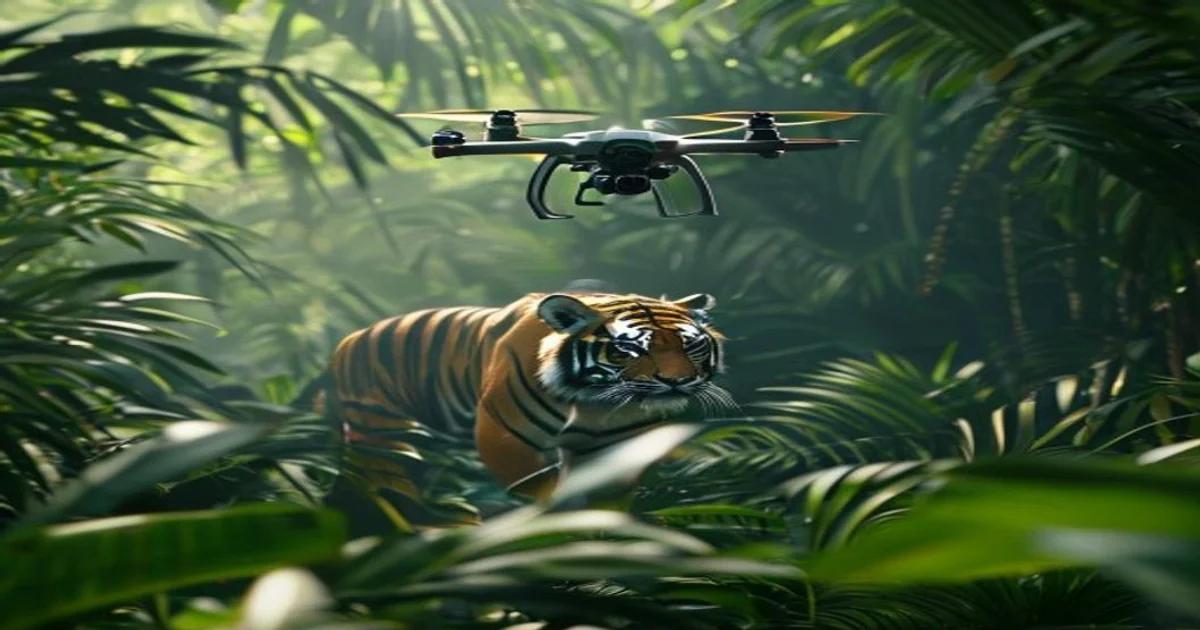
The Convergence of Wilderness and Digital Intelligence
The survival of endangered species in the 21st century is increasingly dependent on our ability to monitor, diagnose, and treat health crises in environments where human presence is either impossible or counterproductive. AI-driven precision wildlife veterinary telemedicine has emerged as a cornerstone of modern conservation biology, bridging the gap between field researchers and high-level medical specialists located thousands of miles away. By leveraging Machine Learning models trained on vast databases of animal anatomy and physiological markers, veterinarians can now interpret subtle changes in an animal's gait, thermal profile, or vocal patterns with unprecedented accuracy.
Overcoming the Logistics of Remote Care
Traditional wildlife medicine often requires the physical capture and sedation of animals, an invasive and high-stress process that can itself be detrimental to the patient. AI-integrated systems change the paradigm by moving toward passive surveillance. High-resolution multispectral cameras coupled with AI object-recognition algorithms can monitor a herd of endangered elephants or a pride of lions without alerting them to the presence of observers.
'Precision medicine is no longer a luxury for humans; it is a necessity for the preservation of biodiversity in an era of rapid climate change.'
These systems function by continuously ingesting data from camera traps, GPS collars, and acoustic sensors. The software then processes this information locally at the edge, utilizing light-weight neural networks to identify anomalies. If an animal exhibits signs of limp, lethargy, or aberrant social behavior, the system triggers an alert to a central veterinary hub. This allows for triage-based interventions, ensuring that limited resources are deployed only when absolutely necessary.
The Role of Predictive Analytics in Ecosystem Health
Beyond individual care, AI-driven telemedicine provides a macro perspective on ecosystem health. By analyzing long-term physiological trends across entire populations, researchers can pinpoint the onset of zoonotic diseases or environmental stressors long before they manifest as catastrophic mortality events.
- Early Warning Systems: Algorithms identify shifts in body temperature and activity levels as proxies for disease.
- Resource Allocation: Telemedicine platforms allow specialists to guide field personnel on the ground through complex procedures via secure, low-latency video links.
- Data Aggregation: Standardized protocols for documenting wildlife health help build a global repository of information for researchers.
The Future of Autonomous Intervention
Looking ahead, the integration of robotics into this telemedicine framework represents the next frontier. We are moving toward a future where autonomous drones equipped with specialized medical kits could perform remote health assessments or deliver targeted medications without the need for intensive human intervention. This vision relies on the robustness of current Innovation in cloud computing and AI chips capable of handling edge-processing in the harshest terrains on Earth.
However, the deployment of such systems is not without its ethical complexities. Ensuring data privacy, preventing misuse of geolocation data by poachers, and maintaining the 'wildness' of the animals are critical challenges that require a balanced approach to technological adoption. We must ensure that the digital shadow cast by these tools does not disrupt the very natural behaviors they aim to preserve.
Building a Global Network of Expertise
One of the most profound benefits of AI-driven wildlife telemedicine is the democratization of specialized knowledge. In many parts of the world where biodiversity is highest, veterinary infrastructure is scarce. Through secure tele-presence portals, a conservation veterinarian in a remote forest in the Congo can consult with leading wildlife pathology experts from top global institutions in real time. This exchange of knowledge fosters a collaborative environment where local staff are upskilled and endangered species benefit from the world's best medical minds.
Furthermore, the use of generative AI in synthetic data creation allows for the simulation of rare disease outbreaks in virtual environments. This training data helps refine the detection algorithms used in real-world deployments, ensuring that the software remains resilient against emerging threats. By combining these advanced digital tools with boots-on-the-ground expertise, we are entering a new age of precision conservation that prioritizes survival, health, and habitat integrity over traditional, reactive management strategies.