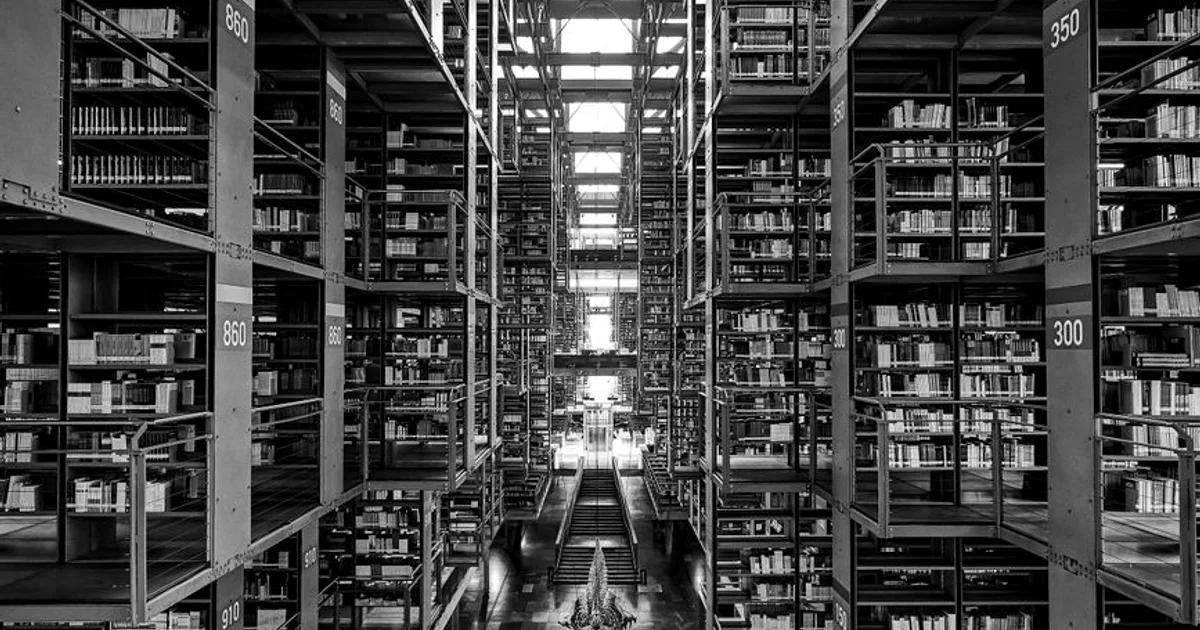
The Convergence of Tradition and Technology
Public libraries have long served as the bedrock of community knowledge, yet the sheer volume of archival material often outpaces traditional preservation methods. AI-enhanced collaborative archiving represents a paradigm shift in how we catalog, interpret, and share our collective history. By integrating sophisticated machine learning models with crowd-sourced verification, libraries are transforming static vaults into living ecosystems of information.
Scaling the Digital Frontier
Traditional archival processes are labor-intensive. Librarians must physically identify, scan, and manually tag thousands of documents. AI-driven automation changes this dynamic by deploying optical character recognition (OCR) and natural language processing (NLP) to perform the heavy lifting. These systems can ingest handwritten manuscripts, identify regional dialects, and translate faded text into searchable digital formats in seconds.
'The integration of artificial intelligence into public archival workflows is not merely a technical upgrade; it is an act of democratic preservation that empowers citizens to engage with their history like never before.'
The Power of Collaborative Curation
What makes modern AI archiving truly unique is the 'human-in-the-loop' component. While AI handles the foundational structure, community members play a critical role in context validation. When an algorithm scans an old city photograph, it might misidentify a landmark; however, a local resident can provide the specific historical context needed to correct and enrich the metadata. This synergy between software and citizen expertise creates a more accurate and vibrant archive.
Machine Learning in Metadata Enrichment
Machine learning models excel at finding relationships between disparate datasets. By mapping connections between genealogy records, municipal archives, and local newspapers, AI can construct a multi-dimensional narrative of a community's growth. This approach moves beyond simple chronological listing, offering instead a thematic and spatial understanding of historical events.
Challenges and Ethical Considerations
Despite the clear benefits, the transition to AI-centric archives requires a careful approach to ethics and data privacy. Librarians must ensure that:
- Algorithms are free from historical biases
- Digitized personal records adhere to privacy standards
- Community contributions are vetted for accuracy
- Technical infrastructure remains open-source to prevent data silos
Future-Proofing Local Knowledge
As we look to the future, the role of the library as a technology hub becomes paramount. By providing access to these advanced AI tools, libraries can foster digital literacy among residents. Furthermore, the use of blockchain technology or similar distributed ledger systems could eventually allow for decentralized archiving, where individual community members hold the keys to their neighborhood’s digital heritage.
Expanding Research Capabilities
Advanced semantic search allows researchers to query archives with natural language rather than rigid keywords. A historian might ask the system, 'What were the local attitudes towards the industrial revolution in 1890?' The AI scans millions of digitised diary entries, letters, and news clippings to synthesize a complex answer. This capacity for cross-referencing information makes the library an indispensable resource for academia and public education.
Strategic Implementation Steps
To adopt these systems, libraries should focus on a phased roll-out:
- Data Preparation: High-resolution digitization of existing physical collections
- Tool Selection: Partnering with vendors that prioritize transparent, open-source AI models
- Community Pilot Programs: Engaging local history enthusiasts to test and refine early archival tools
- Public Interface Development: Building intuitive, user-friendly search portals that allow for collaborative tagging
Transforming the Librarian Role
While automation handles the repetitive tasks, the librarian’s role shifts from a 'keeper of books' to a 'curator of digital ecosystems.' This evolution requires new skills in data management, ethics oversight, and public programming. By embracing this change, libraries ensure their relevance in an increasingly digital world, securing our history for generations to come.
Conclusion
AI-enhanced collaborative archiving is the bridge to a more inclusive and accessible historical record. By combining the processing power of machines with the wisdom of the community, public libraries are doing more than saving documents—they are synthesizing human experience into a coherent, searchable, and enduring narrative.